Stories
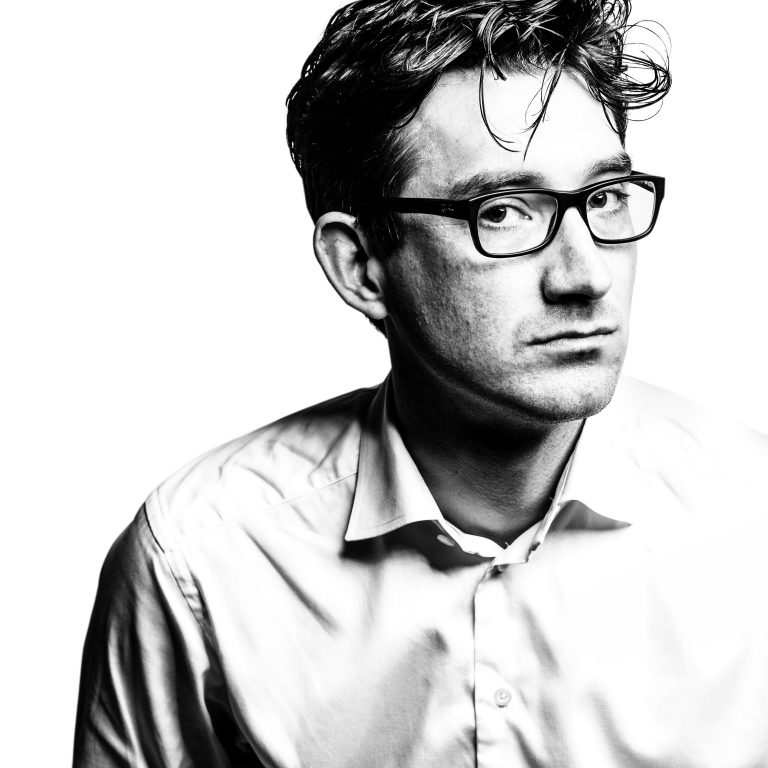
Earlier this year, Ken Hannigan made his way to Beacon Studios on Baggot Street in Dublin to tell his story.
It was a story that resonated – and one that tells a story of the institutional malaise that still exists with Ireland’s financial system.
A hairdresser from Dublin, he moved to Alicante with his wife 20 years ago. Envisioned as a fresh start, it actually led to him losing much of his money and ending up back in Ireland.
In Alicante, he dined with an AIB bank manager, who convinced him to invest in the Belfry funds. It was a “no-brainer”, he was assured.
Convinced by what he heard, Hannigan invested €150,000 into the fifth Belfry fund. That was in 2005. When the crash came, he was wiped out.
For more than a decade, he has been working with other burned investors to get their money back, claiming they were mis-sold highly speculative investments, in which they bore all of the risk.
It has been an epic journey, working its way all the way up to the Supreme Court, and leading to a massive redress scheme.
Hannigan told his story for a two-part podcast investigation that was edited and presented by Francesca Comyn.
Belfry: Ordinary People, Extraordinary Loss tells the story of the men and women, people like Ken Hannigan, who have sought to take on the Irish bank over the ill-fated scheme. It also talks to the advisers who aided them, people like Conor Sheehan of CKS and solicitor Tom Casey.
In the investigation, we examined why ordinary investors put their trust – and their money – into a speculative AIB fund, and we explain how and why it all unravelled.
We look at the struggle for redress against AIB – a struggle that, for many, still remains ongoing.
The series runs over two parts and sits outside the paywall. This is not something we usually do, but in this instance, we felt it was right to shine a bright light on the damning arrogance within AIB in relation to this issue.
For me, this was the podcast highlight of the year, and the first time we have published a long-form podcast investigation.
However, it was certainly not the only podcast that we recorded in Beacon Studios.
Over the past year, we have published four podcast series, a two-part financial investigation and carried a range of one-off podcasts with authors, politicians, musicians, business leaders, and entrepreneurs. Alison has spoken to leading figures from the world of arts and entertainment, while Dion has interviewed authors, politicians and athletes.
I have chipped in across a wide variety of topics, focusing particularly on politics and the business of sport – the law firm Whitney Moore kindly sponsored my two Sports Matters podcast series.
Our audio output has covered a wide range of topics and themes.
In addition to the audio, we also write an article summing up the content. We do this because our readers asked for it, and we are happy to provide it as an additional service.
Here is a selection of 25 podcasts that reflect the themes and topics of the year.
*****
“Honestly, I don’t think DJ Carey even knows exactly how much money he took”
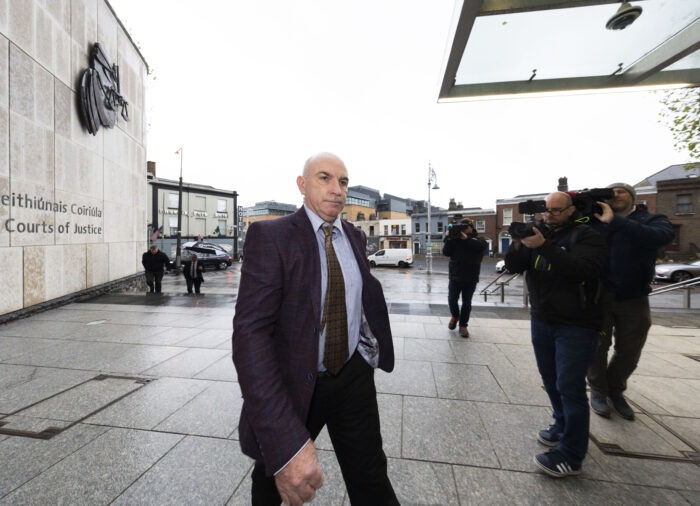
Hurling is the game that is central to Irish identity. For those who believe in Irish exceptionalism, it is a core element. As Dion put it, we romanticise and elevate those who play it to another plane on Irish life.
“They are not only playing the fastest field sport in the world, but it is a sport that requires immense physical courage and spirit. Few in its history played hurling better than DJ Carey,” he wrote while summing up his podcast with Eimear Ní Bhraonáin, a journalist who has told the story of the other side of the sporting icon.
Her book The Dodger: DJ Carey and the Great Betrayal explores the personality and deception of Kilkenny’s former hurling great. From impromptu requests for €100 during chance encounters to elaborate stories about his fake cancer to tap wealthy victims, including Denis O’Brien, Ní Bhraonáin spoke about the traits that led Carey down a path of fraud, how he targeted his victims – and the dark corners that continue to surround the years before he was caught.
“The reason why you can get a lot of tax revenue by choosing a low tax rate is because you attract profit and activity at the expense of the rest of the world. This is not growing the pie”
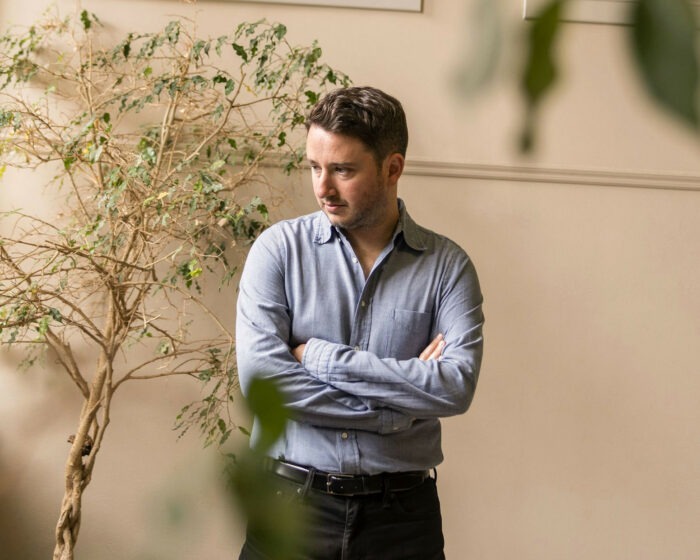
French economist Gabriel Zucman has led the charge against tax avoidance by multinationals and, more recently, billionaires. On a visit to Dublin last year, he sat down with Thomas to discuss Trump’s challenge to an economic development model based on attracting taxable profits from other jurisdictions, how to catch tax exiles, and the fine line between academic research and politics.
It is a fascinating interview with one of the world’s most influential economists . As Thomas put it, few economists can claim to have a tax named after them. And Zucman is one of them.
And he had some fascinating thoughts on Ireland’s tax model.
“It’s not sustainable because, inherently, this development model is zero-sum in the sense that the profits and the tax payments and the activity that’s attracted here is at the expense of the rest of the European Union or the rest of the world,” he said.
“You’re not selling time”: Paul Lynch on art, identity, and the high cost of creation

As part of our Arts Matters podcast series, sponsored by HLB Ireland, Booker Prize-winning author Paul Lynch spoke to Alison Cowzer on the intense demands and deeper meaning of a writer’s life. After 18 months promoting his acclaimed novel Prophet Song, Lynch still has plenty to say – about the discipline of writing, the risks of pursuing it as a vocation, and why, for him, there was never really a choice.
“The thing about true vocation is you don’t have a choice,” he told Alison. “To do anything else is to risk a loss of core identity.”
Lynch also discusses the role of the artist, the importance of state support for writers, and why Prophet Song – a novel often described as dystopian – is in fact a mirror to the modern world.
As he put it: “How do we define ourselves under pressure in extremis? How do we deal with the unwanted when it knocks on our door? How do we deal with loss, impermanence, the problem of dignity? A lot of my characters are not successful. Society loves to reward successful people.”
“Brendan Comiskey didn’t fail and this wasn’t about failure. This was about a cover-up”
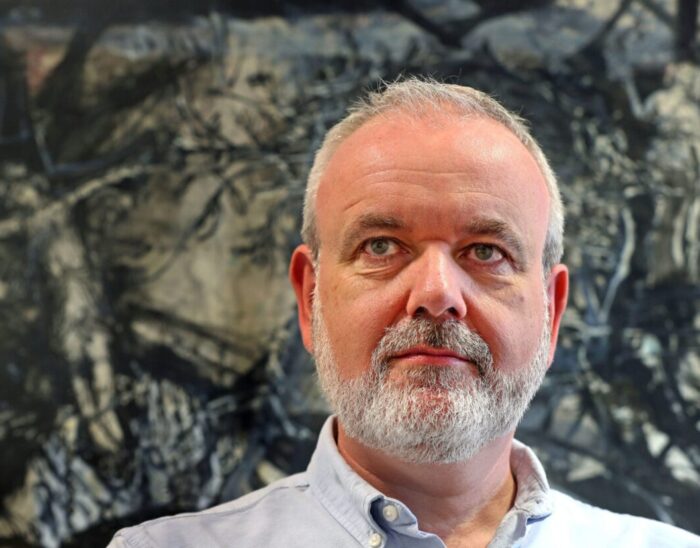
In late April, Colm O’Gorman received a text telling him that Bishop Brendan Comiskey had died.
O’Gorman’s life was entwined with the former Bishop of Ferns in many ways, even though the pair had never met. “I’ve actually never met the man. Never had any direct contact with him at all,” O’Gorman says.
Yet, as he told Dion, there was a lot more to it than that. The campaigner and advocate spoke eloquently and passionately about the death of Comiskey, why it was not his failings as a bishop which led to the cover-up of abuse in the Ferns diocese and why Pope Francis never dealt with the issue as he should have.
“Each of the last three popes has been entirely deceitful about that history, including, sadly, Pope Francis, who I admired hugely in many respects,” O’Gorman says. “But on this issue, he was very far from honest about it,” he adds.
Conor Murphy: “There is no glory in conflict at all, there are horrible things done”

Conor Murphy’s decision to leave Northern Ireland politics where he was economy minister to run for the Seanad raised eyebrows. Why was the move necessary? Why would a senior politician give up a ministerial position for life in the Seanad?
Murphy’s long career in republicanism and his comments concerning the murder of Paul Quinn in 2007 provided further complications. In a wide-ranging podcast, he discussed all these matters with Dion.
“My father did not want us to be anywhere near the management of Guinness”
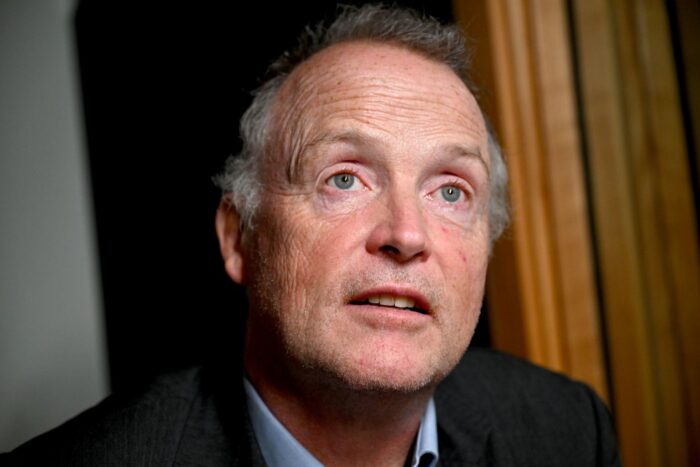
House of Guinness was one of the most-watched shows on Netflix this year. Those who have watched it may flinch at its gaucheness, but as Dion put it, it underlines the fascination for a family that has had great commercial, artistic and cultural impact on Ireland.
In a searingly honest podcast, Arthur Edward Guinness, the fourth Lord Iveagh, talked to Dion about why his father didn’t want his children to have anything to do with the family business.
He also discussed his book, Guinness – A Family Succession, and talked about the nature of money, wealth and family.
“My father, who diligently went about his brewery business right through his adult life, absolutely did not want the four of us anywhere near the management of Guinness. He told us to go and become a management consultant in another company, a Unilever of this world,” he told Dion.
“94% of women in executive managerial positions have a background in sport”

When Sport Ireland launched its Women in Sport programme in 2005, the goal was clear but daunting: to create equal partnership between men and women in all areas of sport.
Two decades later, participation is up, sponsorships are stronger, and elite events are drawing record crowds. But challenges remain — from teenage dropout rates to a shortage of facilities and patchy media coverage.
To discuss those issues, I spoke with two women at the forefront of change: Niamh Tallon, founder and CEO of Her Sport, and Eimear O’Sullivan, corporate affairs director at Lidl Ireland and Northern Ireland.
Tallon talked about why she launched Her Sport and the mission that drives it, while O’Sullivan explained Lidl’s long-running sponsorship of ladies’ Gaelic football, from the controversial “Lady Ball” launch to grassroots investment in jerseys and equipment.
“Edna sold her house for £400,000 and a couple of years later it was worth £5m. Now it’s nearly all oligarchs living there”

Blue Road – The Edna O’Brien Story is a remarkable new film about this extraordinary life. As Dion put it, who wouldn’t want to be described as fearless or morally courageous? The documentary goes beyond the romantic notions of these terms to examine the reality of the life of a great Irish writer.
The documentary maker behind it, Sinead O’Shea, talked about how the writer is still viewed in Ireland, her remarkable diaries, and the affair with a British politician that consumed O’Brien.
She also spoke about how the film had appealed to women, particularly. “I think the word of mouth has been really strong, but the word of mouth seems to be loads of women – and they’re not communicating on social media, because we see no trace of it anywhere – but women encouraging other women to come, several generations of women coming to see the film together, and then coming for repeat screenings with other women they know. But it’s really interesting, because it’s not a strategy or anything we’ve done, it just has happened organically,” she said.
“It is Marxism applied to cultural debate. In other words, crush your opponent”
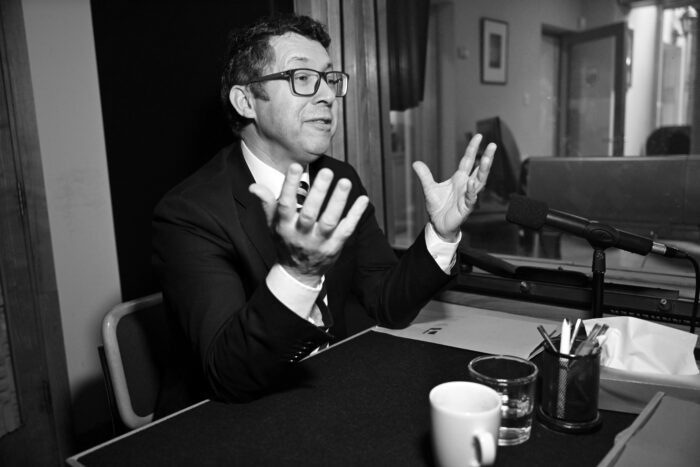
The independent Senator Rónán Mullen has spent decades championing traditional values in an Ireland that has undergone profound social and political change. A vocal advocate for Catholic-informed conservatism, he has challenged prevailing narratives on issues such as secularism, migration, and free speech.
In a wide-ranging conversation, he reflected on his political journey, the role of faith in governance, and his belief that mainstream media is increasingly hostile to voices like his.
“In a previous generation, and people like Eoghan Harris spoke about this, there was an ideological colonisation that went on within the structure of media, and perhaps pre-eminently public service media in RTÉ. Basically, your views would be sidelined, or if you were put out there, there’d be somebody strong put up against you, whereas if it was somebody whose views were more in vogue, they’d be getting a free run.”
He argued that this “ideological colonisation” has expressed itself as the woke generation – people, he says, who will not just disagree with what you say but deprive you of every opportunity to say it.
“Essentially it is Marxism applied to cultural debate,” he says. “In other words, crush your opponent.”
“If you stay in your own little backyard, you don’t expand, you don’t get much better”
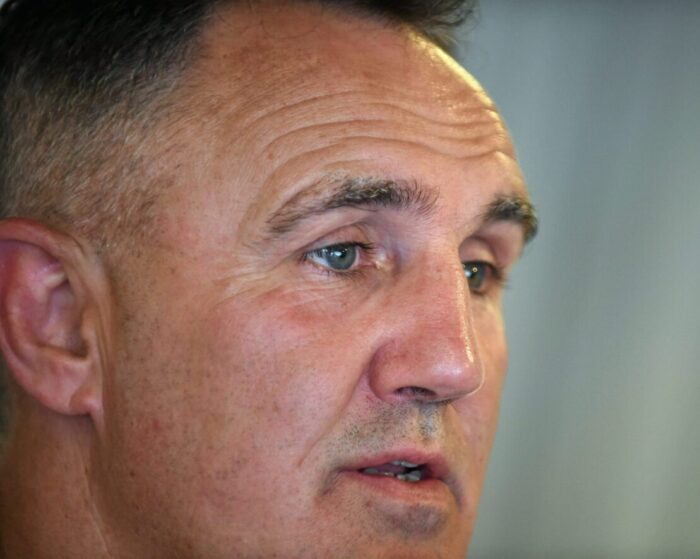
From Wolfe Tone Villas, with Wexford Park in his backyard, Billy Walsh has achieved success on a global stage as a boxing coach, nurtured seven Olympic medalists during his time with Ireland, before relocating to Colorado a decade ago to transform the US amateur boxing team.
He is Wexford to the core. Yet, when I interviewed him, what struck me was his outward view.
“If you stay in your own little backyard, you don’t expand, you don’t get much better,” Walsh told me.
Walsh was candid about everything: the highs and lows of elite sport, the painful necessity of cutting talented athletes, and the brutal clarity the boxing ring delivers. But underpinning it all is his belief in honesty, discipline and culture.
“Once a big name drops from a screenplay, the house of cards falls pretty quickly”
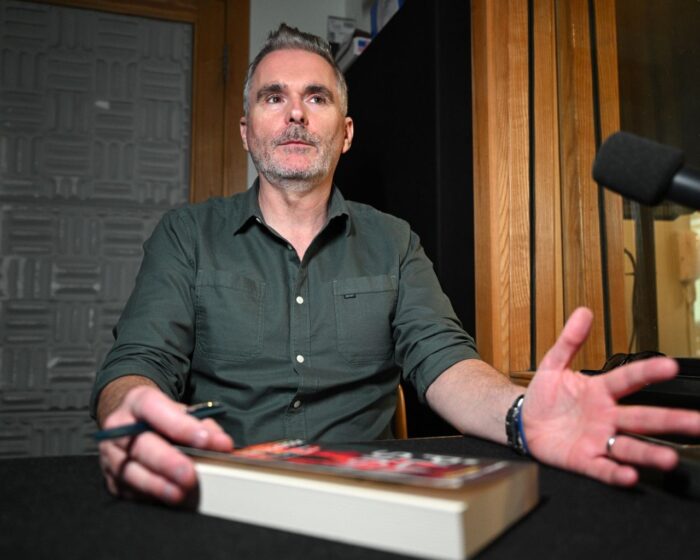
There are lots of places Joseph Birchall could start his story, but, as Dion put it, it might be best to begin in Hollywood. In the late 1990s, Birchall, who had begun working as a mechanic after growing up in Tallaght, headed for the US and found himself in California, where one of his brothers owned a mobile mechanic business.
Birchall worked there, but he also began writing a screenplay, encouraged by a neighbour in the Santa Monica area where he was living. Birchall’s screenplay was about “four lads in Dublin”, and he soon came to believe something might happen with it.
On the cusp of landing a major movie deal, it all fell apart, and he ended up back in Dublin, working for An Post. It is just one fascinating tale from this fascinating interview with the writer.
“It was a very combative interview, and it had gone about as badly as I could possibly have imagined it going”
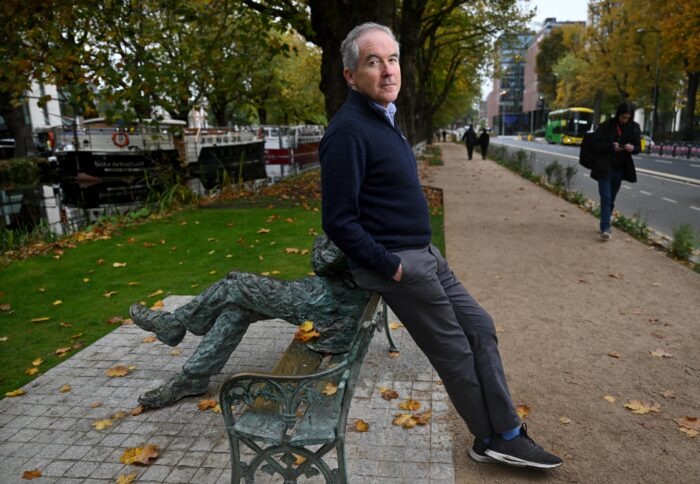
Four times a week, Frank McNally writes a column for The Irish Times.
And not just any column. The Irishman’s Diary – now known as An Irish Diary – is an Irish institution, and McNally has been its author for 19 years.
He suffers, he says, from “columnist’s gut” – “the centre of my stomach is always in a little bit of a knot from worrying about how I’m going to fill the space tomorrow”.
McNally recently published a memoir, Not Making Hay – The Life and Deadlines of a ‘Diary’ Farmer, which reflects on his life in journalism, as well as his upbringing in Monaghan. He spoke to Dion about his circuitous route into journalism, tussling with Vincent Browne, and his dilemma when he was asked to take over the Irishman’s Diary.
“Clubs are businesses. They have governance structures, policies, and procedures – and if you get those strong as a foundation, the rest will follow”
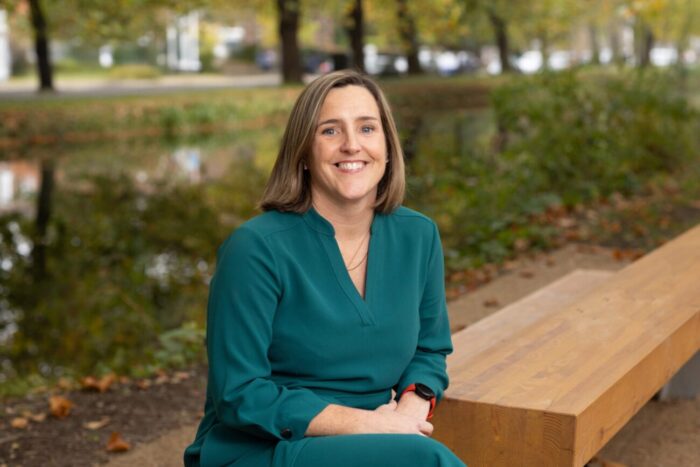
Across two series this year, we delved into the intersection of sports and business in our Sports Matters podcast series. A common theme that kept emerging was the role of community and the importance of the club. But there is an unseen legal landscape of community sport: safeguarding obligations, data protection rules, trusteeship headaches, and the challenges of running staff with volunteer committees.
To dissect those issues, I sat down with Emma Richmond, managing partner of the law firm Whitney Moore, who has worked with clubs and sporting organisations for many years.
She discussed how mergers — like the planned integration of the GAA, LGFA and Camogie Association — will test constitutions and ownership structures across the country. From finance committees to safeguarding officers, her message is clear: Understanding the legal framework isn’t optional. It’s what keeps clubs safe, solvent, and sustainable.
“He wasn’t a Lord to be looked up to, he was the king of the paedophiles”
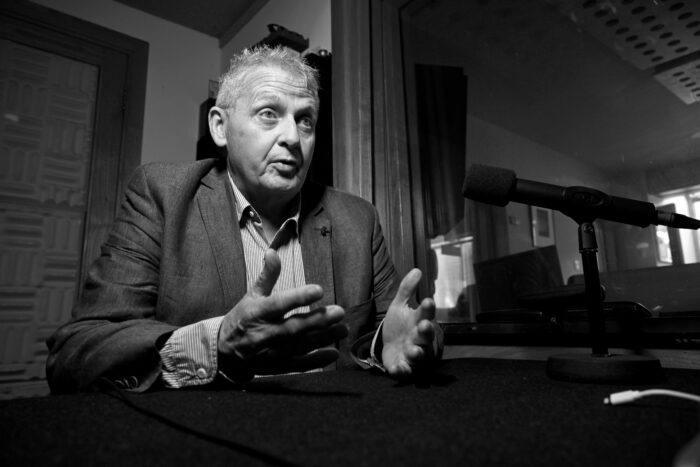
When Chris Moore launched his new book, he told the guests who had gathered there that it might have taken some of them a couple of hours to get there; it had taken him 45 years. It might even have been a little longer.
Over that period, Moore has been investigating Kincora Boys’ Home on the Newtownards Road in Belfast. Kincora: Britain’s Shame is the output of his work, and in the podcast, he talks at length about institutional obstacles that were put in his path along the way. His new book contains startling revelations about how far the establishment went to protect those who were part of the ring, including Lord Mountbatten.
“I think there was an incredible level of protection. MI5 and the British state went out of their way to conceal what it was that MI5 were doing,” he told Dion.
“Haughey was a bit of a silverback gorilla. He had to be in charge”
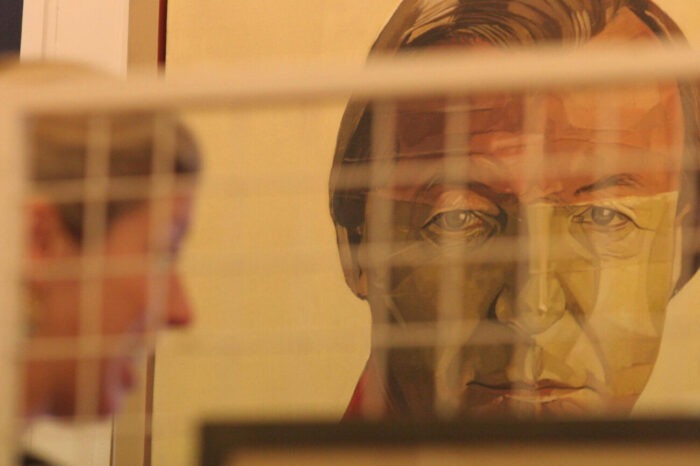
Charles Haughey and Garret FitzGerald were the two big beasts of Irish politics in the 1980s. One a patrician born to rule, the other a northsider who assumed the wealth and airs of an aristocrat. But what is their legacy? In this podcast, the academic Eoin O’Malley talked to Dion Fanning about his new book on the two men and why his own father Des O’Malley might question some of the conclusions in the book.
He offers insights only a family member could know. “My father was one of the key rivals in Fianna Fáil for the leadership,” O’Malley says. “There was constant tension in the house. We knew that our home phone was being tapped — sorry we didn’t know, but we suspected, and actually Garret Fitzgerald confirmed to my father that it was being tapped. Vans were seen outside.”
“We’re known for the arts. And in fact, theatre and the spoken word is one of our strongest suits.”
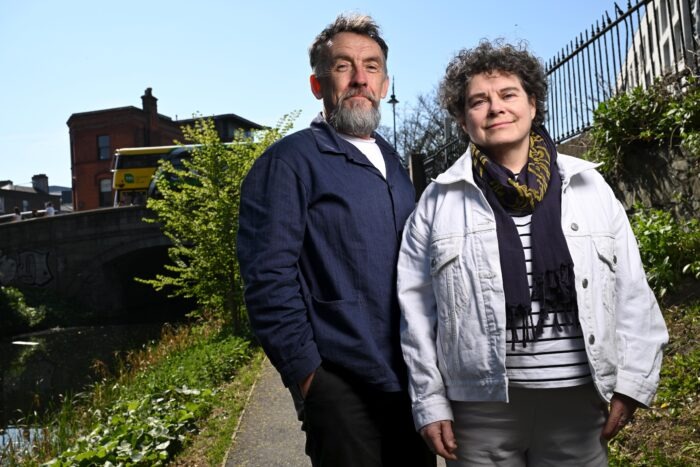
In this episode of Arts Matter, Alison Cowzer sat down with Mark O’Brien, executive director of the Abbey Theatre, and Lynne Parker, artistic director of Rough Magic, to explore the true value of theatre in Ireland – beyond the stage.
They reflected on the golden era of independent theatre in Dublin, the struggles of a generation priced out of creativity, and the need to reframe arts funding as strategic investment, not subsidy. They also examined how corporate support could revolutionise the sector, and why the arts must be recognised as one of Ireland’s greatest economic and cultural assets.
For O’Brien, the memories of his first visit to a theatre at age six are still vivid. “I just remember the red velvet, and the smell of alcohol, mixed with cigarette smoke, and the plush red seats. And I think it was that wonder, that sense of lights going down and magic,” he says.
Parker described getting involved in theatre and making plays as akin to an addiction. “You were actually going in and just learning everything yourself. Then it just became an absolute addiction and I’m still addicted,” he says.
The presidency as a mirror: Gary Murphy on what the election says about Ireland
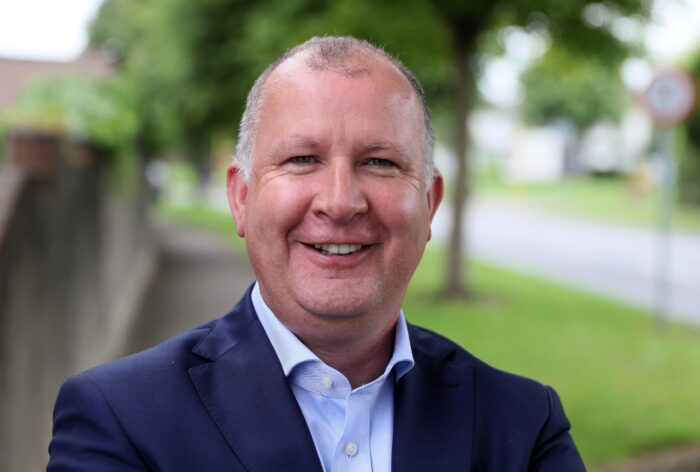
Gary Murphy gets politics better than most — and that’s really because he gets people.
Sure, his main job is at DCU, where he’s a full professor of politics. But that’s only part of the picture. He writes for national and international papers, pops up on the radio and TV all the time, and has a few books under his belt. His book on Charles Haughey is basically required reading for anyone even slightly interested in Irish politics or Irish life, and he’s now putting the finishing touches on a book about Brian Cowen.
In Gary Murphy’s view, Catherine Connolly did something pretty remarkable – not unifying the left, but creating a grassroots movement of young people to aid her quest for the presidency.
I caught up with Murphy ahead of the election, where he spoke about the campaign, and what the presidency really means in Ireland.
“One of the reasons history on this island is so complex is that it always ends in a score draw”
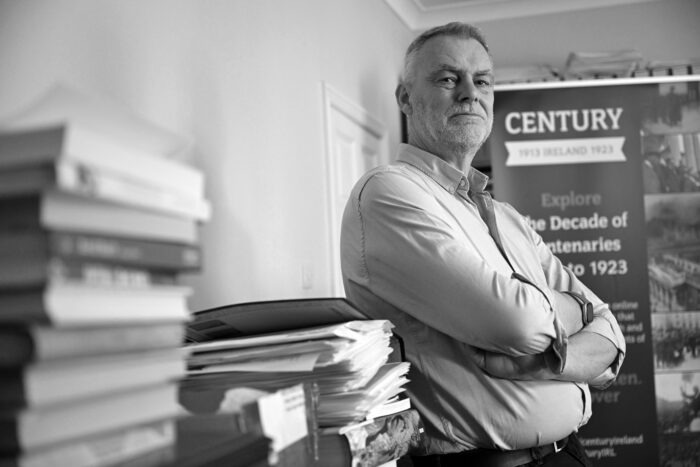
Mike Cronin and Mark Duncan’s new book Revolutionary Times looks at the revolutionary period in Ireland. In this podcast, Cronin talks to Dion about the stories we tell ourselves, the problem with reunification and why Irish history remains such a hot topic to debate.
“I always say if you think about what soccer team you support or what GAA team you support, for most people, that’s a given,” Cronin says.
“If you support Dublin GAA, it’s probably because you grew up in Dublin, you’re born in Dublin. Or if you didn’t, then it’s probably going to be one of your parents. You are born into the blue. Your lived experience from your family, your geographical setting, your sense of place is ‘your team’. It’s sort of a simplistic jump but I think history works the same way.”
Cronin contrasts the State’s marking of the Revolutionary period, which he says was level-headed and neutral, with the debates that might have raged in the public square about a contentious subject like Kilmichael.
“That was the sharp end of the business, where people were killed by other people they knew, where families are still living cheek by jowl. You don’t walk into that situation and say, ‘Oh let’s just have a nice commemoration, it’s all neutral’. These people are looking across a field or across a road and saying, ‘No, no, that family killed my great, great uncle, or whatever it may be’. You can’t pull the poison out of that.”
“AI is cool. It is fantastic. It is brilliant. It has great advances in medicine and in music. We want to be able to use AI ourselves, but it needs to be fair”
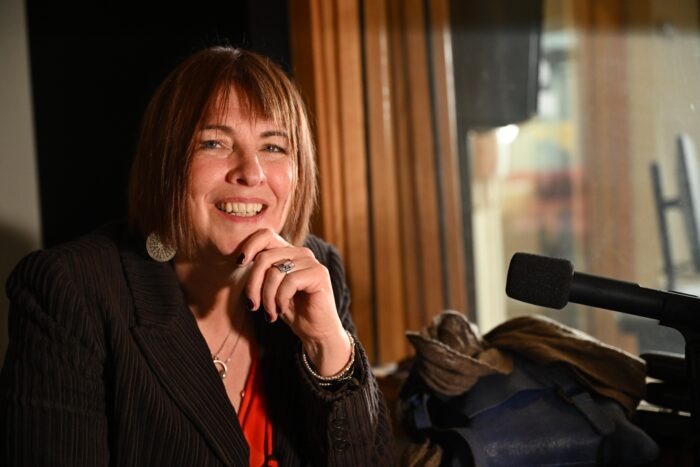
With a career spanning nearly four decades, Eleanor McEvoy remains one of Ireland’s most passionate musical voices. But behind the melodies lies a fierce advocate for creators’ rights, a seasoned entrepreneur, and the chair of IMRO, fighting for fairness in the age of AI and streaming. In this episode of Arts Matters, McEvoy recounts her early breakthrough — a chance encounter with a Geffen Records executive in Dublin — and the evolution of a career that has since produced 15 albums. Her deep belief in the transformative power of music is matched by a pragmatic understanding of the industry’s inner workings.
For McEvoy, music is intrinsic to what it means to be Irish. “When you go to far-flung places like Taiwan and you say Ireland, they will say, Ireland? And they don’t know where it is, and then they say, oh, U2, the Cranberries, Enya, Boyzone, and you go, yeah, Ireland. That is how they identify the country. There are very few households in Ireland that don’t have at least a tin whistle in a drawer somewhere. You realise then that is a little unusual in a lot of countries.”
“It is a joy to work with people who are elite at their sport. I can honestly say in 30 years none of them haven’t been fun to work with”
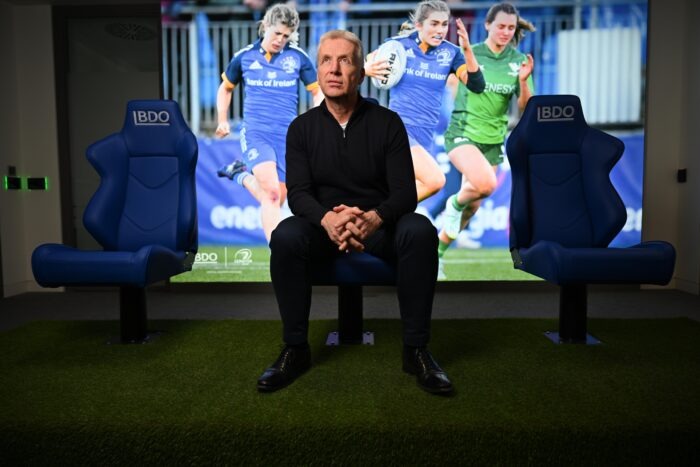
For over 30 years, Ciaran Medlar has been a silent architect behind some of the most significant developments in the world of Irish sports.
His day job is as a partner with BDO, an accountancy firm that, through Medlar’s Sports Advisory Unit, is the major player in the sector in Ireland.
However, his influence extends far beyond financial spreadsheets. Whether guiding elite athletes through career transitions, negotiating high-stakes sponsorship deals, or helping steer Shamrock Rovers through a golden era, Medlar is one of the most influential figures in Irish sports.
Indeed, when we spoke, he was transitioning his own career to take on a larger management role with the golfer Rory McIlroy. In this episode of Sports Matters, he talked about his journey, the development of the business of sport in Ireland, and the highlights from his career.
“It’s easier to change things in crisis. It’s much harder when an organisation is moderately successful or successful to change something”
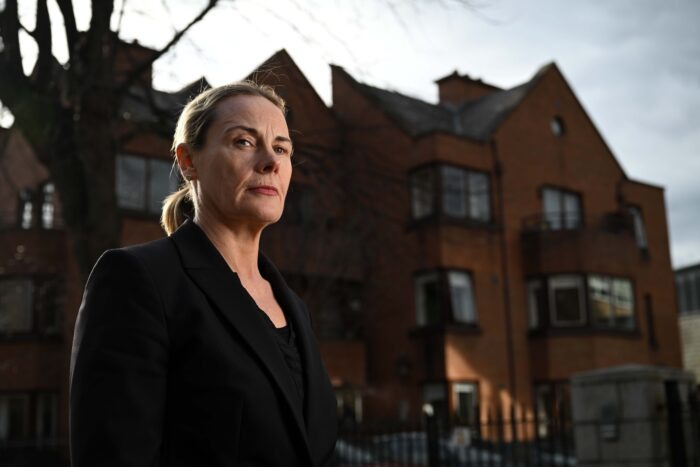
Sarah Keane has spent a significant amount of time thinking about trust, governance and accountability in Irish sports, and within the organisations that manage them.
Part of it stems from her legal background. Part also relates to her work overhauling the crisis-ridden Olympic Federation of Ireland during her time as president of the organisation, and from her day job running various sporting bodies.
The way she sees it, governance has changed dramatically in the 20 years she has worked in the sector. Independent directors have become a common feature on boards. Skillsets have been improved. Paid professionals have become much more common and the issue of gender balance has moved front and centre.
Yet, the more Keane reflects upon those important changes, the more she harbours concerns about the future. She outlined those challenges to me in an episode of Sports Matters.
“One of the parts of my success in New York was hard work. And hard work can lead to burnout, and I was, in 2020, burnt out, completely burnt out.”
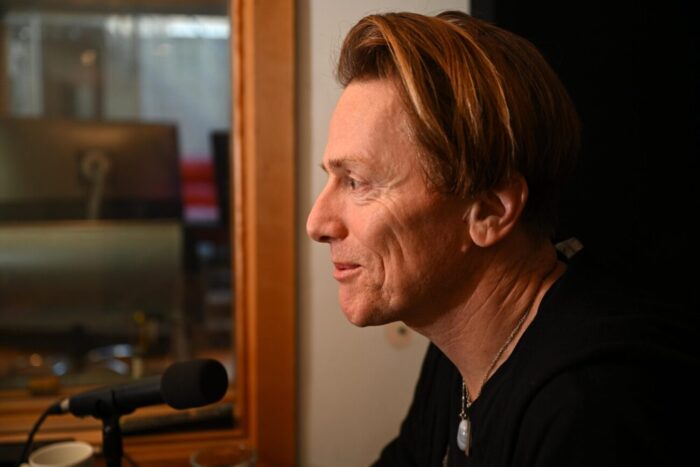
Don O’Neill doesn’t speak in slogans. He speaks in stories – slow-burning, salt-air-soaked, stitched through with a kind of quiet resolve. Raised in the small seaside town of Ballyheigue, Co Kerry, O’Neill grew up sketching gowns in secret, dreaming of runways far from the Atlantic’s reach. But even as he dressed icons like Oprah and Michelle Obama, the pulse of home never left his designs.
His journey wasn’t a straight line. It zigzagged through kitchens and catwalks, through heartbreak and hard-earned success. O’Neill trained in design in Paris while working restaurant shifts at night. He spent years as creative director at THEIA, only to see the brand shutter suddenly – a moment that cracked open his identity but didn’t break his belief. In this episode of Arts Matters, he spoke with Alison Cowzer. Arts Matters was sponsored by HLB Ireland.
“I was told that Jean McConville was shot by three people so nobody could say that it was definitively one of them who shot her.
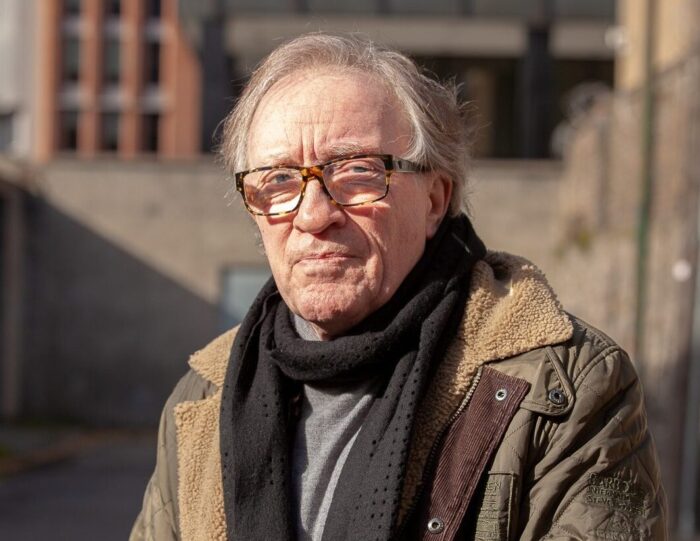
Who killed Jean McConville? It is impossible to say, Martin Dillon believes, but it is one the darkest secrets of the Troubles, a conflict with many dark secrets. Dillon has made a career of exposing them to the light.
He talks about his new book, his time as a journalist in the North when his life was in danger as he exposed the world of informants and double agents. He also tells the extraordinary story of bringing John Hume and Gerry Adams together for a debate on the BBC in 1985.
He talks in the podcast about an attempt to speak to the former MEP Martina Anderson for his latest book, The Sorrow and The Loss, and being asked by a Sinn Féin official what it was about. When he told them, they had a different view.
“Every book you write is like the Dirty War,” the Sinn Féin official told him then. Perhaps that is because nearly every story in the North contains those elements of suspicion and betrayal, with a sense that informants were everywhere.
His new book is different too, as it looks at the trauma of women during the Troubles, whose lives were affected most profoundly by violence.
Satire mirrors reality: Gordon D’Arcy, Paul Howard, and the blurred lines of Irish rugby
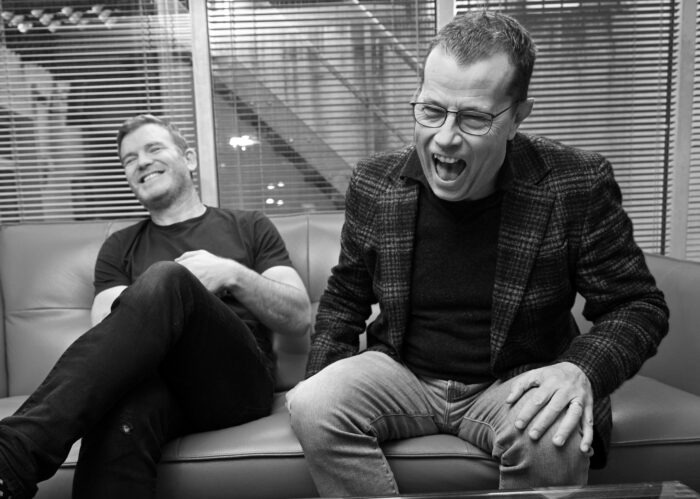
Gordon D’Arcy and Paul Howard have combined to write Let’s Play Rugby. In this podcast, they talk about professionalism, the danger of rugby’s reliance on the schools for talent and the reality versus satire in Ross O’Carroll Kelly.
“It’s a good read but it’s a good workout more than anything,” Paul Howard says. The book is aimed at younger kids and it is illustrated by Ashwin Chacko. “I am the Andrew Ridgeley in this partnership,” Howard says.
D’Arcy has three kids under 10, so he was aware of what was available in the market and felt there was little for children about sport. “It starts with the kid at the start of, say, a match and brings them through, creates a little bit of excitement. All the various pieces, the scrum, the lineout, catching, passing, running, scoring the try, then the kick to win and a trophy at the end,” he says.
“I think that AI can replicate mediocre human creativity, but true human inspiration, the things that actually make things really brilliant, I think it’s hard to imagine it’s going to come from AI”
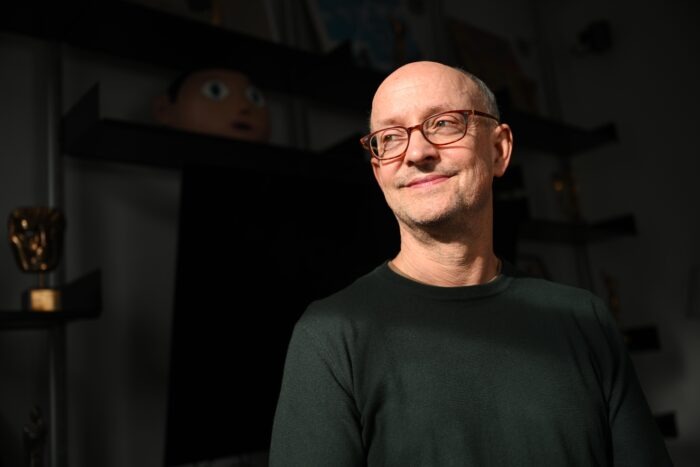
Ed Guiney, the co-founder and chief executive of Element Pictures, caught the film bug early, spending hours as a teenager in the local video rental shop. “Often we used to rent four or five films a night and just watch as much as we possibly could,” he says. “I was mad about films.”
He sparked a career that would reshape Irish film. Element Pictures, co-founded with Andrew Lowe in 2001, has won countless awards including IFTAs, BAFTAs, Golden Globes and a clatter of Oscars. The company has produced films including Room, The Favourite, Poor Things, and hit TV series such as Red Rock, The Dry and, of course, Normal People.
In this episode of Arts Matters, Guiney tells Alison Cowzer that he sees intellectual property ownership as the cornerstone of a sustainable industry and is a strong advocate for supporting emerging writers through initiatives like the Story House festival.