Stories

Marty Moore played rugby ten times for Ireland.
Each of those games was in the Six Nations.
In both years, Ireland won the competition.
A tighthead prop, he was in demand. He was young, and he played in a position where many teams internationally were more than willing to take out the chequebook to secure his services.
He could have stayed in Ireland, but instead he opted to move abroad. He played successfully with London Wasps before moving back to Ulster, where he was a lynchpin of the team. His statistics, if you look at them, are beyond impressive.
But when I met him earlier this year, it was not to reflect upon the nuances of his rugby career, but to discuss his transition from rugby.
Because Moore has been open about that transition. He could have played on. He could have continued to draw down his salary. After numerous injuries, he had rehabilitated his body to the point where he was comfortable playing elite rugby again.
Yet, he chose a different path, and he was honest about it.
His body was able, but his mind was not. He took a courageous decision, one that I suspect will only be appreciated in many years, to step back and retire.
“I was always aware that I was driving towards a cliff,” Moore told me when we met for an episode of Sports Matters, a podcast series sponsored by the law firm Whitney Moore, earlier this year.
He was joined that day by Niall Woods, another former Ireland international who retired due to injury. After retiring, Woods has worked for player unions in the UK and Ireland before launching his own sports agency, Navy Blue.
He spoke about his own career trajectory and how his path led him back to Dublin. Woods said that the mental strain of planning for the future and the next phase of life means it is something few are willing to speak about in the dressing room.
“It’s like planning your own funeral,” he told me.
Both Woods and Moore are thriving in the commercial world – Woods with Blue Navy and Moore with his family firm Lockerfix.
The Currency is a business publication. We focus on finance, economics, and public policy.
But we also delve into that intersection between business and sport.
And, through our weekend editions, we also look more deeply into sports itself – be it Brett Igoe exploring rugby or Paul Flynn examining GAA. Dion writes regularly about football, while Johnny Ward writes across multiple codes. More recently, Kieran Cunnigham has been writing about the nature of sports journalism, while Markham Nolan has focused on sailing.
We do not cover sports every day, but we cover them when we feel it is needed. Here is a selection of 25 pieces from 2025 that I think you might enjoy.
*****
GAA’s Pandora’s Box
The GAA’s tax affairs were thrust under the spotlight late last year with news that the Revenue Commissioners planned to carry out a county-by-county probe into tax compliance of expense payments dished out by county boards for players, coaches, and referees – a core issue that threatened the very sports tax exemption status of county boards.
The Currency’s three-part GAA’s Pandora’s Box investigation examined the ins and outs of the proposed Revenue probe and the lay of the land more generally with the use of expenses across the national system.
In part one, Niall examined just how far the tax authority could go, who is expected to be on the hook for the bigger tax bills, and what might the whole process mean for the future of the country’s largest voluntary body.
In the second article of the series, the opaque nature of GAA county board finances was under the spotlight, as were the key expense lines where boards could potentially take a big tax hit – think mileage, meals and referee fees.
To finish off the series, Niall gave his own take on the issue, and how being a winning team could mean a higher tax bill and an administrative headache for loyal volunteers.
Rachael Blackmore didn’t want to be a pioneer – she just was
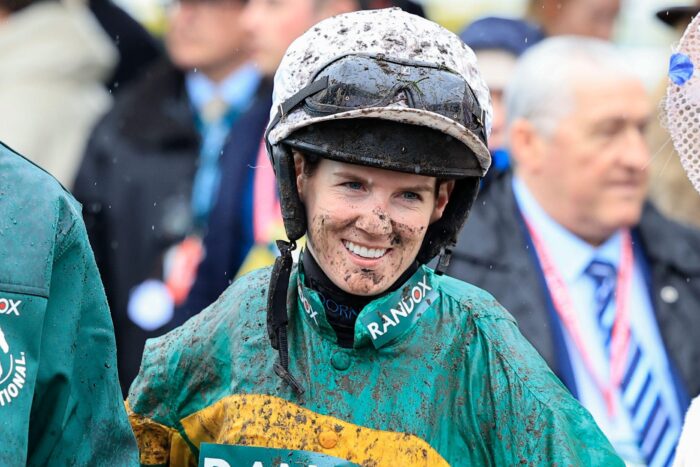
No words can do justice to the brilliance of Rachel Blackmore. Her legacy is beyond question, both as a jockey and as a champion for female participation in sport.
But when she retired earlier this year, Johnny Ward was faced with the task of writing about her career and her legacy.
Her career shattered gender barriers in one of sport’s most unforgiving arenas. As she retired on her own terms, Johnny spoke to leading members of the racing world, who reflected on the quiet determination and understated influence of a jockey who never wanted to be a symbol – and who became one anyway.
The schism at Celtic FC: Desmond the Younger steps up to the plate as civil war rages on
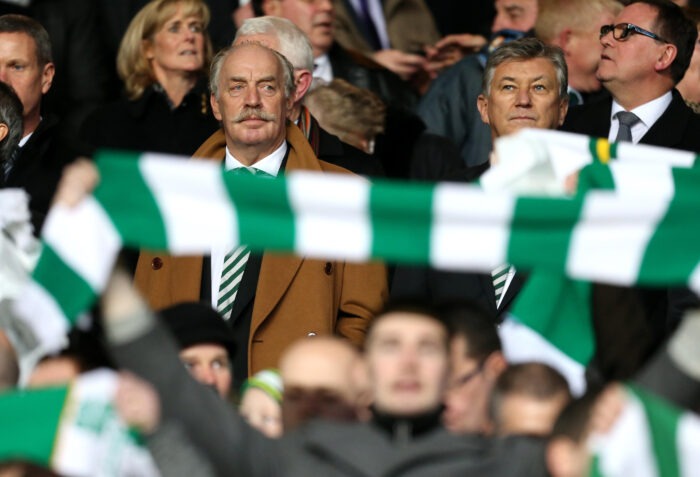
The Irish financier Dermot Desmond has been a dominant boardroom figure at Celtic for decades. Yet, in recent times, there has been disharmony. “We will not be railroaded by those whose only vocation in life is to be anti-establishment and by those who try to degrade the club,” his son Ross said at a recent AGM of the Scottish club.
As Kieran Cunningham reported for The Currency, his follow-up lines were nearly drowned out because of cries that ranged from ‘Shame!’ to “Pathetic!” The AGM was abandoned after just 25 minutes.
So what is going on at a club so associated with Ireland? Kieran talked to those in the know and analysed the future outcomes.
Sports journalism in Ireland is unrecognisable from when I started out, but spare me the golden-era nostalgia
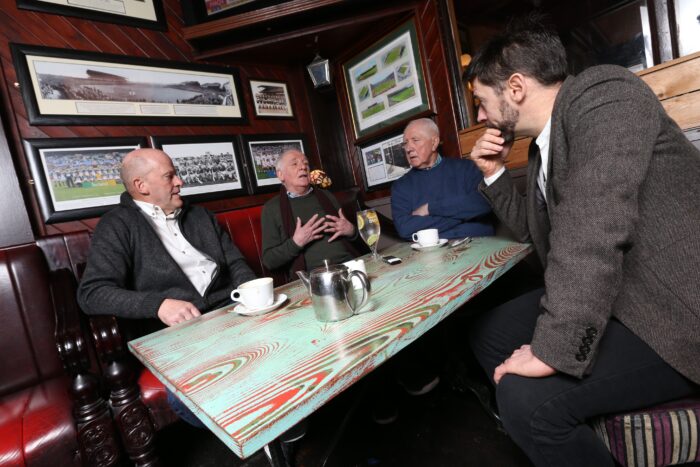
In October, Kieran Cunningham stepped down as chief sports writer of the Irish Daily Star after nearly three decades. Our new Associate Editor, Alan English, reached out to Kieran, asking him to write a piece about his time in the game: lessons, reflections, learnings.
What he wrote was one of the most searingly honest and deeply personal articles written by an Irish sports writer. He wrote about the nature of the profession and the relationship between athletes and journalists.
“When it comes to Irish sports journalism, it often seems like there’s no escape from what should be seen as a malignant virus. We’re prisoners of the past, always looking in the rear-view mirror. Even the time of lockdown didn’t get it out of our system, despite endless days, weeks and months of pieces looking backwards because the playing fields were empty and silent,” he wrote.
Dion Fanning: The invisible age of Irish football
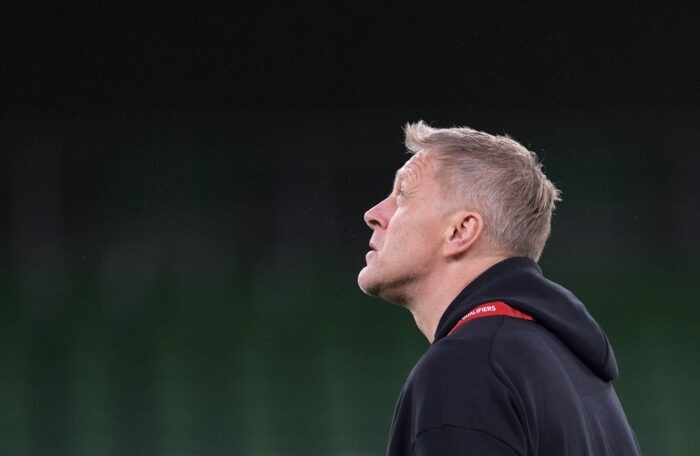
The ebbs and flows of the Irish football team were one of the consistent themes in our sports coverage this year, with Dion seeking to bring a deeper understanding to the performance, or non-performance, of the national team.
In this piece, published prior to the heroics against Portugal and Hungary, Dion argued that the Irish football team’s problems are being masked by pseudo-diagnoses such as “second game syndrome” and “the heavy shirt,” which he sees as part of a wider trend of medicalising ordinary failure.
For Dion, these labels distracted from the real issue: Ireland are simply not very good, and Heimir Hallgrimsson is a passive, almost ghost-like manager presiding over an era of drift. Ireland’s performances had been marked by inertia, not trauma; by mediocrity, not psychological burden.
Dion contrasted Hallgrimsson’s detachment with Stephen Kenny’s flawed but imaginative ambition, arguing that at least Kenny inspired belief. Expectations had been so diminished that fans debated the need for a sports psychologist rather than talented players or bold ideas.
Troy Parrott’s hat-trick in Budapest brought about a welcome relief from the mediocrity that had grasped the national team. Whether that famous night proves to be a turning point or a false dawn remains to be seen.
Life after Line Up: David McHugh on building – and selling – a sports marketing firm
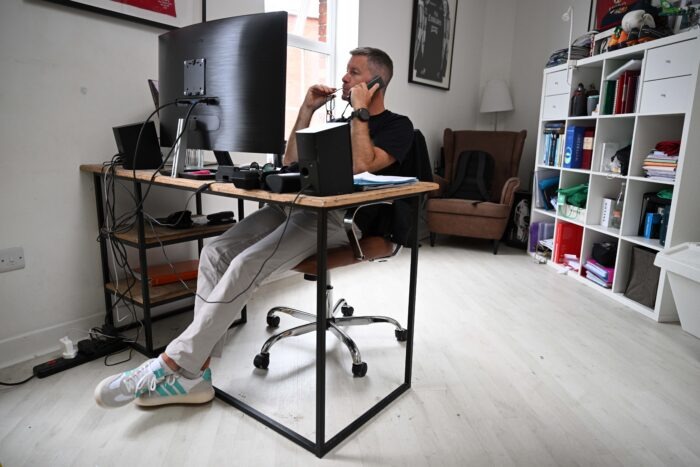
David McHugh is a wonderfully engaging character. And he has wonderful manners. But he bristles at the word “agent”. As I said when I met him in October, he’s heard it too many times. The caricature is well-worn: the Del Boy figure, the Mr Five Per Cent, the man behind the curtain with the handshake deal.
But it’s not how McHugh sees himself. Nor, more importantly, is it how he sees his business – and it is certainly not how he runs it.
“I would certainly always say to people I’m not an agent,” he told me.
Through Line Up Sports, the company he founded in 2010, McHugh has represented Olympic medalists like Paul and Gary O’Donovan, boxer Kelly Harrington and Paralympian Nicole Turner. He’s worked with test-level rugby internationals like Josh van der Flier and Tadhg Furlong.
But just as crucially, he has advised major brands — Vodafone, Aer Lingus, Bank of Ireland — on how best to navigate modern sports marketing, working with them to strike up long-term relationships with sports and athletes.
Last year, that journey took another step. McHugh sold his business to global sports, music and entertainment agency Wasserman, becoming part of a network that represents everyone from NFL quarterbacks to Premier League clubs.
He told me his story.
Decline by numbers: What the data reveals about Ireland’s rugby regression
A key part of our weekend coverage is Brett’s rugby analysis. And over the past year, he has extensively covered the Lions, the provinces, and the performance of the Irish rugby team. In relation to the latter, he has looked at the falling performance of the national team through the medium of statistics and data.
The way Brett sees it, in professional rugby, decline isn’t subjective anymore. Every player has been wearing GPS units for their whole career. This technology tracks everything from how far they run and how fast they sprint. There’s testing for everything, too.
As he puts it: “How high they jump, how much they squat, how well they recover. Body scanners track muscle mass and body fat. If it can be measured, it will be.”
Over a series of articles, he looked at the metrics behind the Ireland team, and more recently, at the disciplinary issues facing the team.
“The craic is back”: Inside the Eddie Jordan-led revival of the iconic London Irish rugby club
Eddie Jordan sadly passed away this year, a loss mourned by many. But before he did, he put together a consortium that bought London Irish, the fabled rugby team in London indelibly linked with Ireland, out of administration. After the deal closed, Michael Cogley went in behind the deal to learn how it had happened – and what happens next.
“Our vision is to bring London Irish back to elite rugby in a sustainable and competitive environment, based in west London,” Kyle Jordan, Eddie’s son and the interim CEO of London Irish at the time, told Michael. “Several viable options exist, and now that we have clarity, we can fully evaluate the best route forward.”
Beyond the pitch: Sam Murray Hinde on crisis, compliance, and the law

From the Yorkshire Cricket Club racism scandal to safeguarding reforms in British Gymnastics, employment lawyer Sam Murray Hinde has been at the forefront of some of the most significant legal challenges in British sport. In this interview, the Howard Kennedy partner shared insights on governance, crisis management, and the evolving legal landscape shaping the future of sports organisations.
For Murray Hinde, one of the biggest challenges in sports governance is balancing traditional structures with modern compliance demands.
“We have to remember that they’re answerable to above. Not in terms of a parent company, but world bodies and world federations are setting the rules and policies. So, you have that extra notional chair at the board table to take account of and answer to in terms of the decision-making,” she says.
Paul Flynn: When a managerial genius faces a playing genius, who comes out on top?
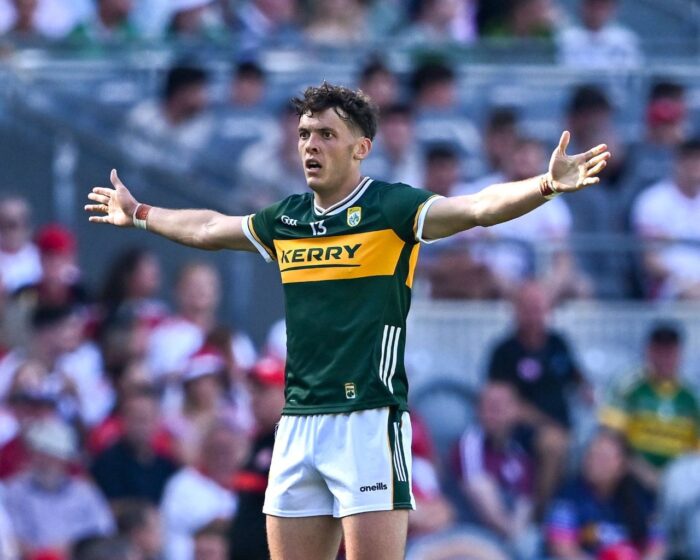
Ahead of this year’s All-Ireland Football final, our GAA columnist Paul Flynn asked a question that was both simple and profound: What happens when a playing genius comes up against a managerial genius? In this case, the playing genius was Kerry’s David Clifford and the manager was Donegal’s Jim McGuinness.
“When it comes to structure versus expression in this weekend’s final, it would seem that each side has a surplus of one of the qualities. Dig a little deeper, and there is a slightly different story, but one that doesn’t alter my view of where the match will be won and lost,” Paul wrote.
We know how it ended – Clifford sank Donegal. But the piece remains valid.
Medals, mindsets and metrics: Bernard Brogan on building a culture that performs
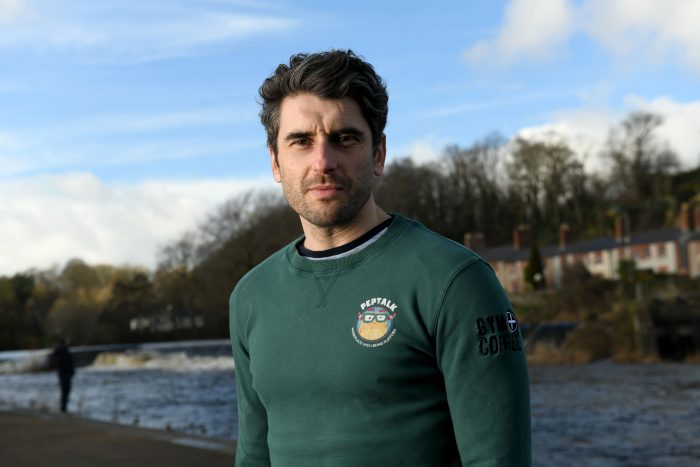
On the pitch, Dublin GAA star Bernard Brogan was composed, clinical, and stylish – a forward who always seemed to find space where none existed.
But what makes Brogan remarkable is not just what he did on the field, but what he’s done since stepping away from it.
He co-founded a PR and marketing agency, Legacy Communications, while still moving between Croke Park and training sessions. The business now employs 40 people.
Then he stepped into the tech world, co-founding PepTalk, a workplace culture and analytics platform now used on construction and engineering sites across Europe and the United States.
So, as part of our Sports Matters podcast series, he was the ideal person to talk to when I wanted to discuss the symbiotic relationship between sport and business.
“Sustaining high performance is equal to capability multiplied by behaviours,” he told me, citing a concept employed in the Dublin camp by teammate Paul Flynn.
“You might be the most talented individual but you might have a certain way to do things. You might have a certain ego… It mightn’t fit into that kind of behaviour that leadership is kind of looking for.”
Stadiums, strategy, and sustainability: Peter McKenna’s 25-year journey at Croke Park
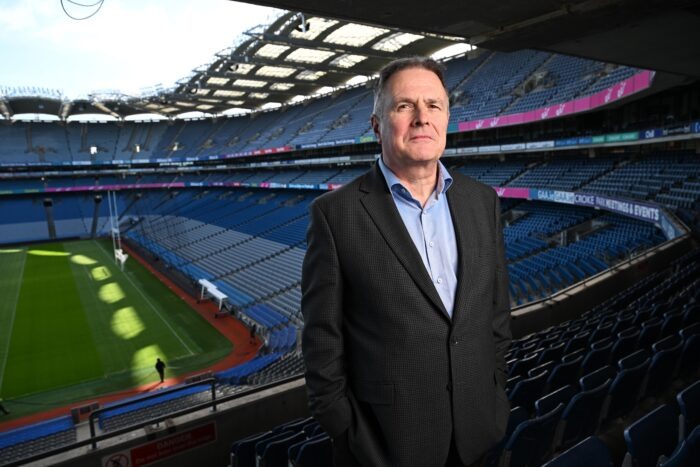
In 2001, Peter McKenna was on the corporate fast track at Smurfit in the publishing business. But a conversation with mentor Paddy Wright planted the seed for a dramatic career pivot as stadium director of Croke Park.
When he took over, the stadium was under construction and loss-making. Last year, it had annual revenues of €132 million and paid a €16 million dividend to the GAA. McKenna still serves as stadium director but he is also in charge of the GAA’s commercial arrangements and corporate partnerships.
In this episode of Sports Matters, he talked about making the stadium a financial contributor to the GAA, the decision to take control of the association’s video streaming service, and the lessons from his career.
Brett Igoe: When 91 people go to Australia (and play a bit of rugby)
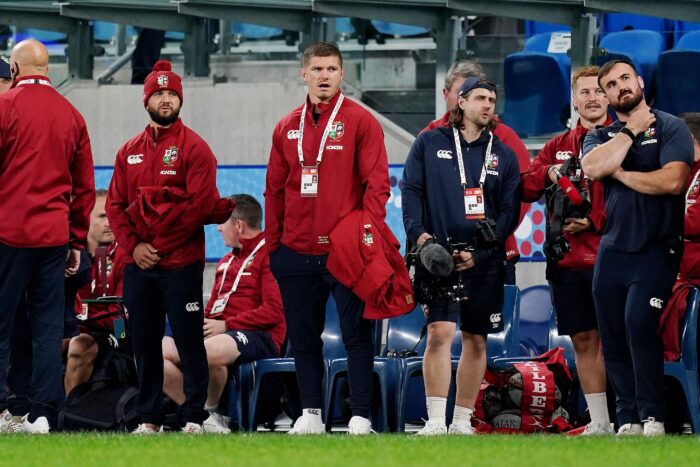
We had extensive coverage of the Lions tour over the summer, from match previews to reports to team analysis. It is hard to pick out one, but this concluding piece by Brett brings together the various threads of the tour and puts it within a wider commercial context.
The way Brett saw it, the Lions’ triumph was a testament not just to player talent but to the unseen army of support staff. Their tireless, behind-the-scenes work – from early mornings to late nights – transformed a complex, multi-million-pound operation into a cohesive, winning team. Excellence, not excess, defined the tour.
“No Irish person’s ever finished the Vendee Globe, or ever really tried to win it”
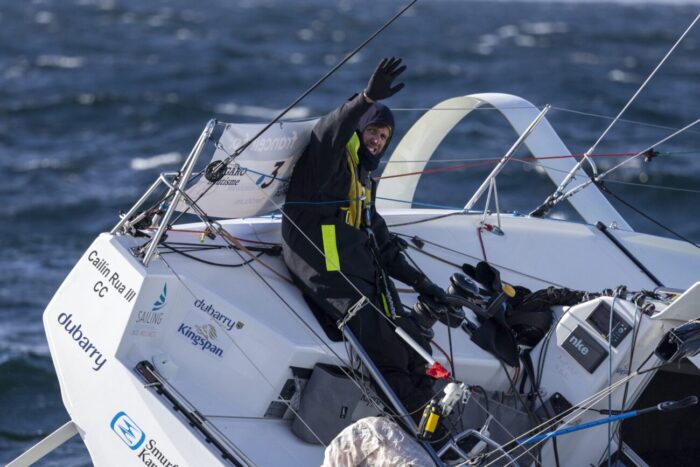
Tom Dolan is a household name, just not in Ireland. But he is in France. As Markham Nolan put it, he’s one of those unique Irish sports stars whose toil and talent barely register in Ireland, despite making history and beating the best in the world.
“If his name seems familiar, maybe it’s because of a documentary that aired last year on RTÉ, covering his bid to set a solo sailing record around Ireland. But that was just a little side quest,” Markham wrote.
Yet, what Dolan has achieved is inspirational.
In 2024, Dolan won the Solitaire du Figaro, often described as solo ocean racing’s Tour de France. It’s a series of point-to-point ocean sprints, except each “sprint” lasts three days and nights of racing offshore, round the clock, against a fleet of world-class sailors.
“It was big, because even though I’m the third ever foreigner to win, a lot of people said to me I was the first real foreigner to win it,” said Dolan when he met Markham in Dún Laoghaire. “I suppose I’m the first non-Francophone to win it.”
Paul Flynn: The fall of the Roman empire and what it tells us about Dublin GAA
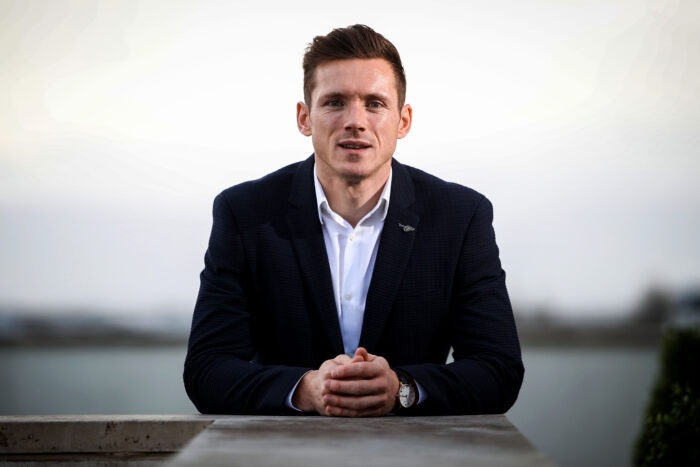
How do you build a dynasty?
As a key player on Dublin’s serial All-Ireland winning teams, Paul Flynn knows all about being part of a high-performance group that created history.
But how do you maintain a dynasty? That was a question that Paul attempted to answer earlier this year when it became clear that the Dublin GAA team of today were not quite the Dublin GAA team of yesterday.
“There is a point when empires become vulnerable, but there is another point where that vulnerability turns into something that looks irreversible,” he wrote.
Sports Matters: Kearney on solving stress, building culture, and leaving ego at the door
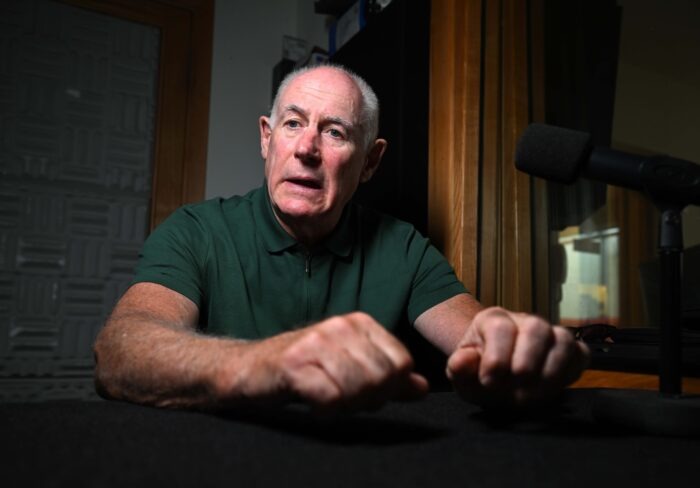
Michael Kearney built and scaled a number of major businesses, including Snap Printing and Home Instead. However, he also had another career managing the Irish national rugby team.
And when you speak to him, or listen to him, it is obvious why: There is simply something about him that makes you respect him and gravitate towards him.
It was a pleasure to meet him for an episode of Sports Matters, where he spoke about what the boardroom can learn from the dressing room, and the importance of culture and honesty in any high-performance environment. He also talked about his own business, reflected on the coaches he worked with, and discussed his role mentoring international rugby players for their post-playing days.
“You can’t have one outlier who doesn’t get on with everybody… The personality has to fit in equally as well as the talent,” he told me.
“Worse before it gets better”: Will Clarke on fixing Ireland’s broken football system
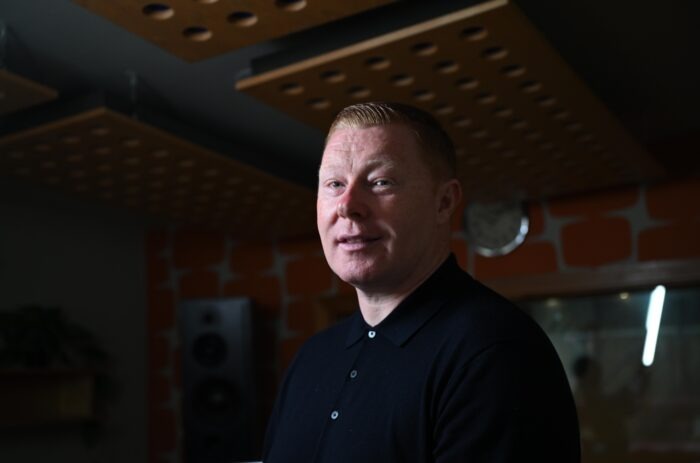
How low can Irish football go? Is there a rock bottom? Will Clarke is the FAI’s League of Ireland Academy Development Manager. He knows what is needed to fix Irish football.
But how has a sport as massively popular as football in this country failed to make a case to the Government? Ahead of the budget, Clarke explained to Dion what Irish football needs.
Prophets in exile: Why some of Ireland’s brightest coaches are coaching outside of Ireland
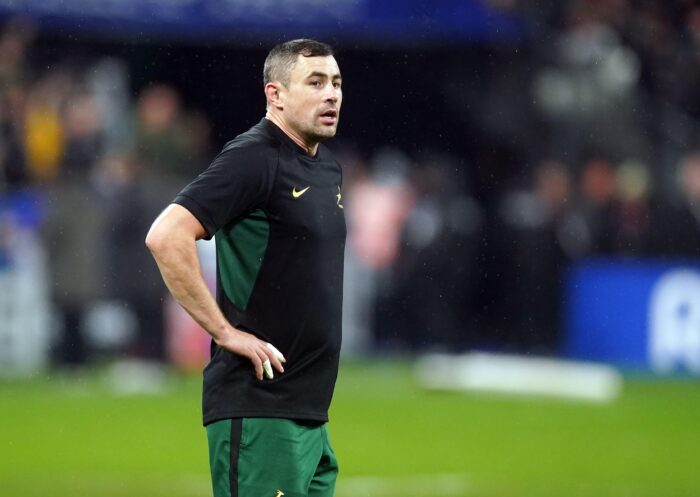
Ireland’s player development system is the envy of world rugby. It happened through investment, clear pathways, and unwavering belief in Irish talent. Now it’s time to do the same for coaches. So said Brett in his article in October.
Brett argued Ireland produces world-class rugby coaches but fails to give them opportunities at home. Irish coaches like Felix Jones, Jerry Flannery, Mark McCall, Ronan O’Gara, and Noel McNamara thrive abroad, winning World Cups, European Cups, and building elite club dynasties.
Yet Irish provinces routinely prioritise overseas appointments. The problem is not coach education, which has proven highly effective, but the development pathways and willingness of Irish clubs to back their own talent, he argued.
The article calls for a cultural shift: Irish coaches must be given meaningful opportunities at provincial and national levels, supported with modern, evidence-based development methods, and valued for their proven capabilities. Only then can Ireland fully harness the coaching talent it produces.
The story of Muhammad Ali in Dublin and the extraordinary men who made it happen
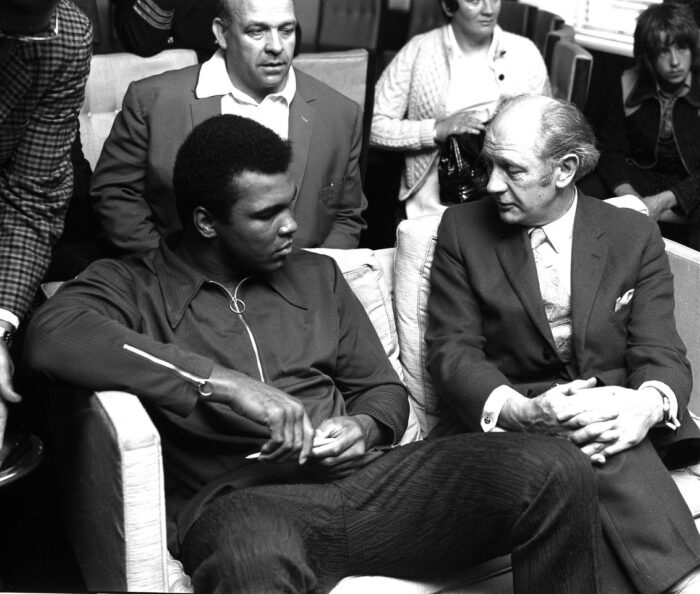
When Muhammad Ali visited Dublin to fight Al Blue Lewis, he famously asked, ‘Where do all the black people hang out?’ He was told there weren’t any.
Dave Hannigan has written a marvellous book about that week in Ireland. He talked to Dion Fanning about Ali’s time in Dublin and the people who made it happen.
Blood, sweat, and side hustles: The Irish fighters in Dubai
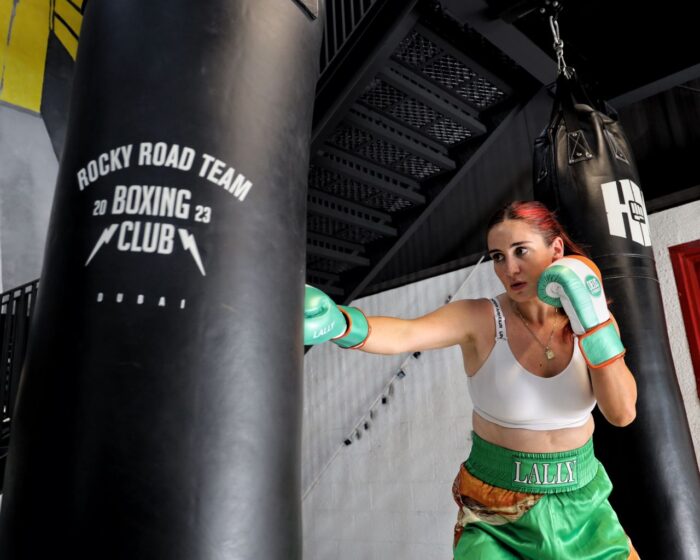
Earlier this year, Hannah McCarthy sent us back a series of dispatches on Irish business and economic activity in Dubai. The first was on the sheer numbers of Irish boxers training and working in Dubai. It is a contested topic given the role of the Kinahan family in boxing in Dubai, but Hannah spoke to the boxers and the MMA fighters trying to carve out a career in the Middle East.
The article follows Cork fighter John Mitchell, who has built his career in the UAE while competing in the Professional Fighters League (PFL), highlighting the challenges fighters face with unstable incomes, harsh weight cuts, and contract complications.
Mayo boxer Rachel Lally balances a full-time teaching job with her professional boxing career, relying on sponsors and social media presence to fund training. The story also examines darker elements of the fight world, including the involvement of Irish boxer Jono Carroll with crime boss Daniel Kinahan and broader concerns about OnlyFans, influencer fights, and unregulated events.
“I swim against the tide”: Dermot Usher’s vision for Cork City and the League of Ireland
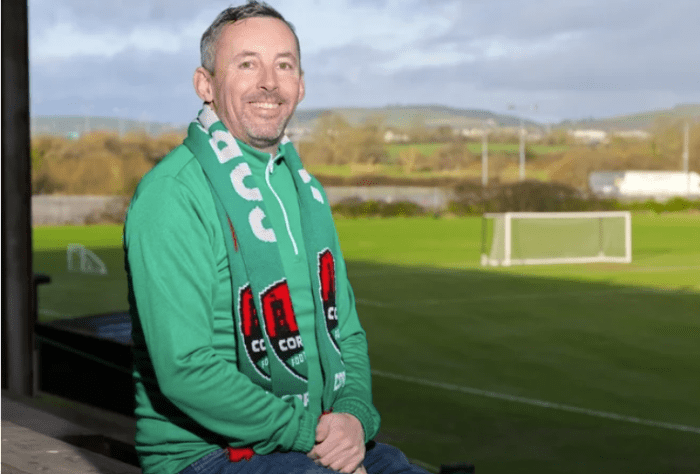
The 2025 League of Ireland season opens amid unprecedented attention, with record crowds, new TV coverage, and high-profile marketing moves like Bohemians’ Guinness-themed jersey. Champions Shelbourne face Derry City in Virgin Media’s first weekly live broadcast, while Shamrock Rovers continue their strongest-ever European run.
Cork City’s return to the Premier Division brought scrutiny, especially after owner Dermot Usher introduced steep ticket price increases. Usher, who took over the club in 2023, sees Cork as uniquely positioned to become a sustainable football business, but admits his first year brought emotional strain, online abuse, and heavy financial losses. He spoke at length to Johnny about his plans and his promises.
That’s where you’ve been – football and the story of Ireland
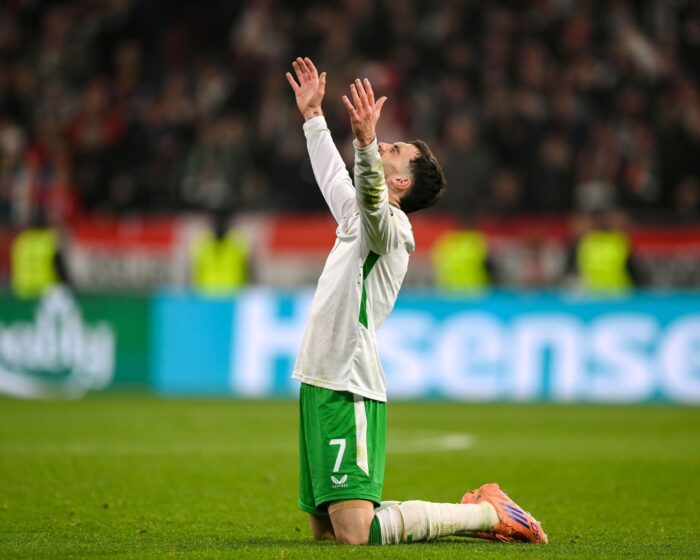
Troy Parrott’s hat-trick against Hungary was one of the sporting moments of the year, and Dion captured what it meant perfectly. This piece argues that Parrott’s dramatic goal has revived something long dormant in Irish football: the ability to make the country feel alive.
Dion traces how Irish football, dismissed for years as a chronic, joyless condition, suddenly became a source of shared excitement and emotional release. Parrott’s goal created a rare moment of collective wonder, echoed in schoolyards, homes, pubs, WhatsApp groups, and stadiums.
This outpouring mattered because Irish football has spent decades squeezed by cultural battles, institutional failures, and declining relevance. Traditionally overshadowed by the GAA’s nationalism and rugby’s elite sheen, the sport struggled for space and respect. Yet its roots – local, global, working-class, communal – have always run deep.
Joe Haslam: Why Real Madrid, too, is more than just a club
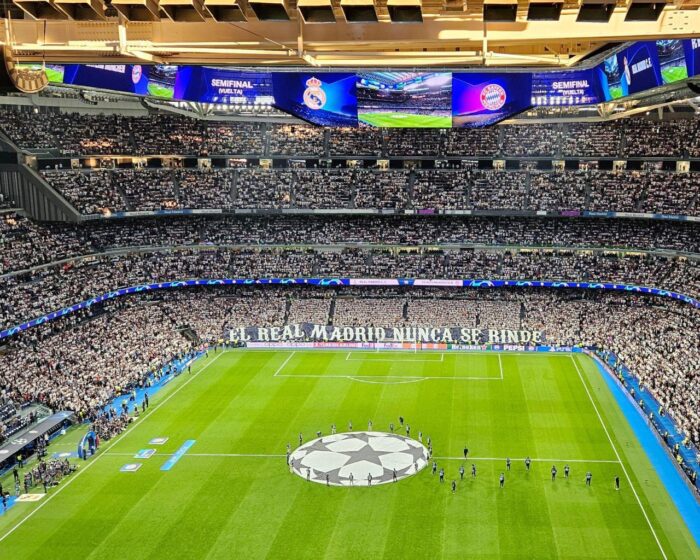
Joe Haslam’s essay traces his lifelong fascination with Real Madrid, not simply as a football club but as a cultural and financial phenomenon. His early exposure came via his father’s visit to the Bernabéu in 1981 and Limerick United’s European Cup clash with Real Madrid in 1980, which instilled an appreciation for the club’s historic and global significance.
Haslam distinguishes between football as a sport and as a platform for social, economic, and architectural influence, highlighting the era of the “Galácticos” – Beckham, Figo, Zidane, and Ronaldo – and Florentino Pérez’s visionary approach that combined elite talent with strategic real estate and commercial development.
He explores Madrid’s historical and political context, noting that while the Franco regime benefited from the club’s international image, Real Madrid’s success was not simply a product of favouritism, and Barcelona’s resistance to the dictatorship remained significant.