Petrol
Top Stories

Block CFO says deep job cuts from AI are an inevitability for companies

The company expects to generate $2 million in gross profit per employee this year following recently announced layoffs, up from $1 million in 2025, write Mark Maurer and Walden Siew, The Wall Street Journal.

Fresh corporate shake-up at major emergency accommodation group

Filings show new directors were recently appointed to 21 core companies in the Coldec Group for the second time in the past year. The group has taken in over €176m in State payments since 2022.

Competing claims and “conflicting” orders: Creditors of Ruairí Kelleher face disarray

Last month, creditors of former Immedis boss Ruairí Kelleher agreed to an interpleader hearing to establish who would get what share of a roughly €8m receivership pot. That was thrown into disarray when one creditor moved to swoop the lot.

Xi Jinping’s morality crackdown has a new victim: the global wine trade

Beijing has quashed drinking at official events, the latest blow to a once-booming wine market, writes Jon Emont, The Wall Street Journal.

The back-channel diplomacy behind Trump’s U-turn on Iran

The president backtracked on his threat to strike Iran’s power plants after a series of closed-door discussions led by Middle Eastern intermediaries, write Summer Said, Alexander Ward, Benoit Faucon and Laurence Norman, The Wall Street Journal.

Turbulent Mayor: Part 1 – The full story of how the Limerick experiment turned toxic

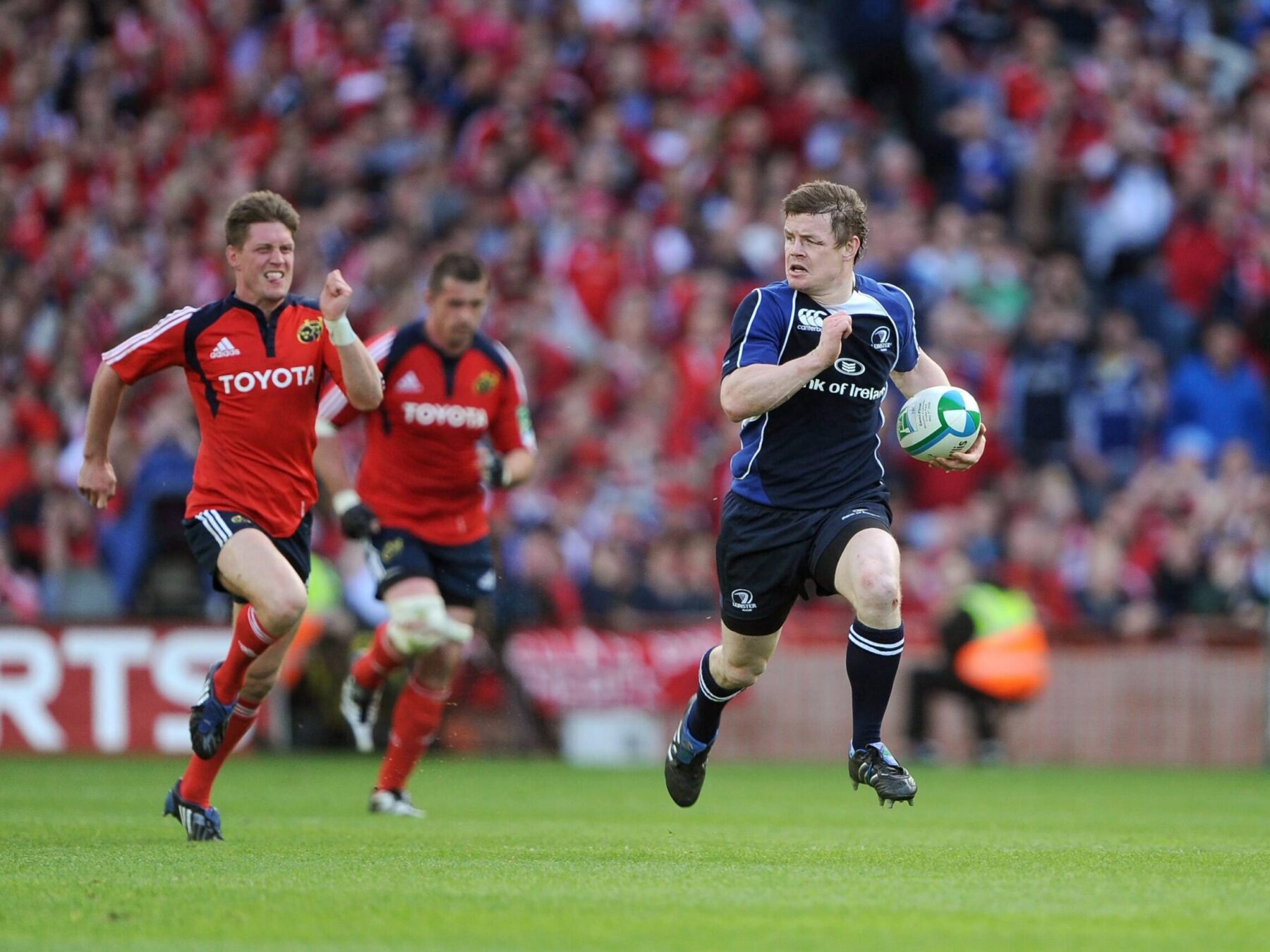
John Moran became Ireland's first directly elected mayor in 2024. Willing to upset even JP McManus, he compares his uncompromising approach to Roy Keane's – but a three-month investigation including more than 40 interviews reveals deep divisions.

PRSA reckoning: How did a two-year pension loophole impact tax coffers?

Revenue is carrying out a “comprehensive analysis” of PRSA payouts between 2023 and 2025 to determine the loophole's impact before it was closed off. Early evidence points to an exploited system.

Iranian missile strikes are costing big oil billions in lost revenue

Damaged infrastructure likely to take years to come back online, but price surge helps offset some of the lost production for now, write Collin Eaton and Matthew Dalton, The Wall Street Journal.

Top Voices

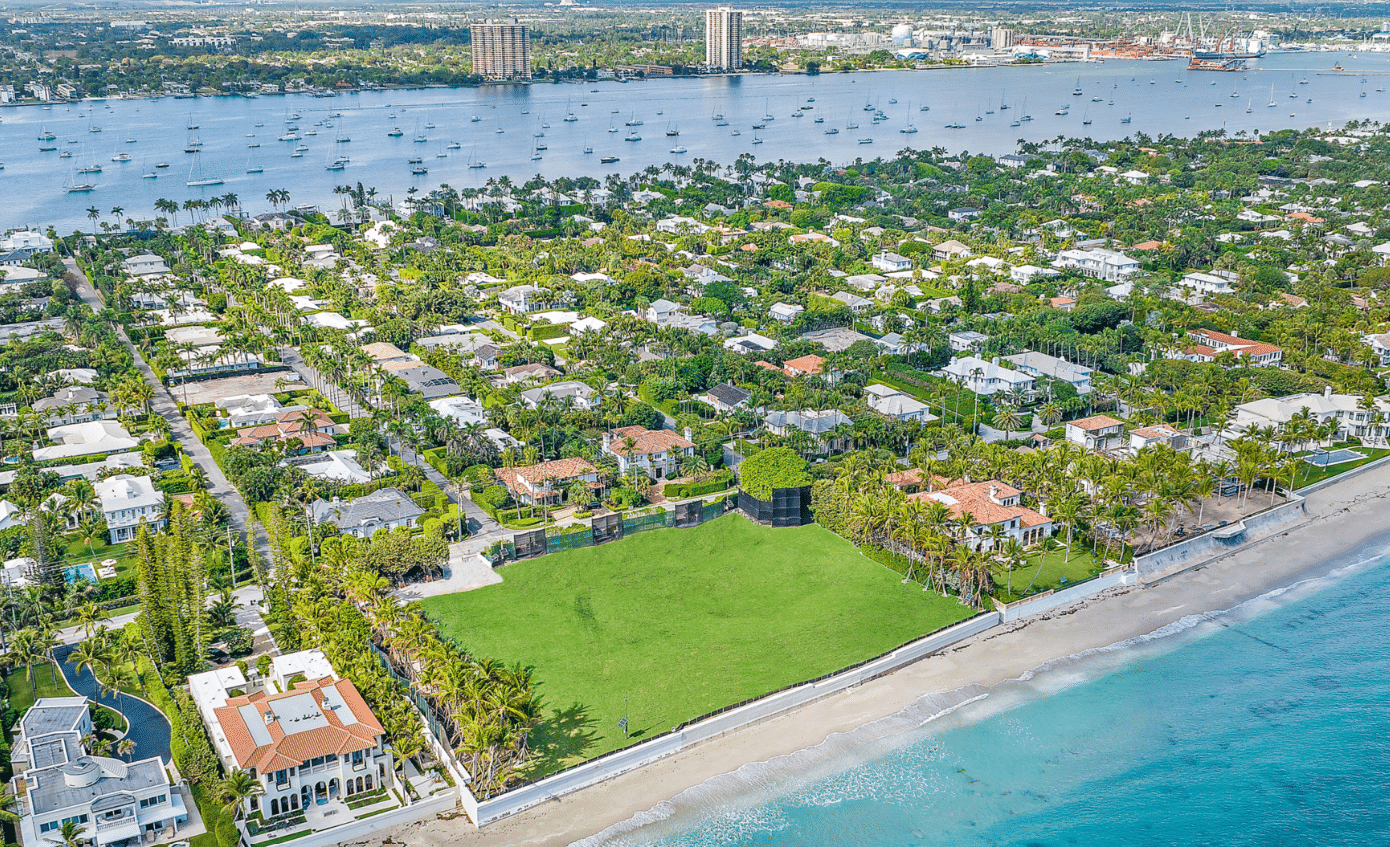
In picturesque Killiney, a site exposes Ireland’s housing contradictions

In a country missing hundreds of thousands of homes, the prospect of 80 apartments compared to a single mansion should not even be a close contest. Unfortunately, in Ireland, it is.

Constantin Gurdgiev: Europe’s energy illusion has collapsed

The current energy shock is not just about war – it is the result of long-term policy failures that have left Europe dependent, exposed, and scrambling for alternatives.

Targeted help only, please: Rewinding the week that was

We’ve been here before: a war, an energy price shock, a government response. Blanket fuel subsidies should be ruled out.

Sam Smyth on Michael Lowry: Justice, politics, and the unchallenged Tribunal report

I sat through nearly every public session of the Moriarty Tribunal and witnessed the tangled web of influence and money firsthand. Lowry now claims injustice but he never challenged the tribunal’s damning findings. And those findings still stand.

Life, liberty, and the weight of war

From red hats to hourglasses, from city streets to the Oval Office, the US is alive with signals of tension, humour, and frustration.

Travels with Looby: Part three – In search of some answers

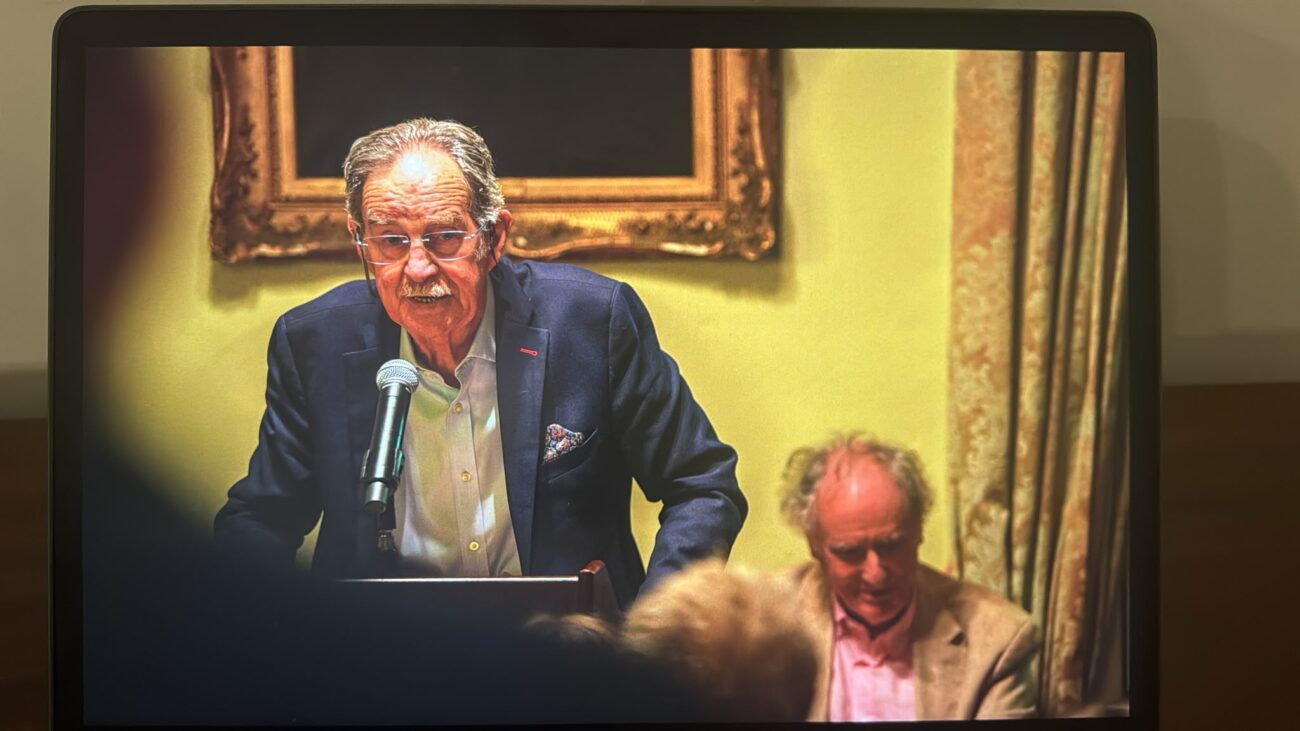
Between bookshops, galleries and long lunches with friends, Washington feels timeless — yet the distant thunder of war reminds us how closely the city lives with power.

Peter Kinsella: Oil prices reached $119 today. Here is what I think happens next

Oil’s leap to $119 is more than a price spike – it’s the start of a global economic shock that could drive inflation higher, disrupt supply chains and reshape interest-rate predictions.

Travels with Looby: Part two – In search of some answers

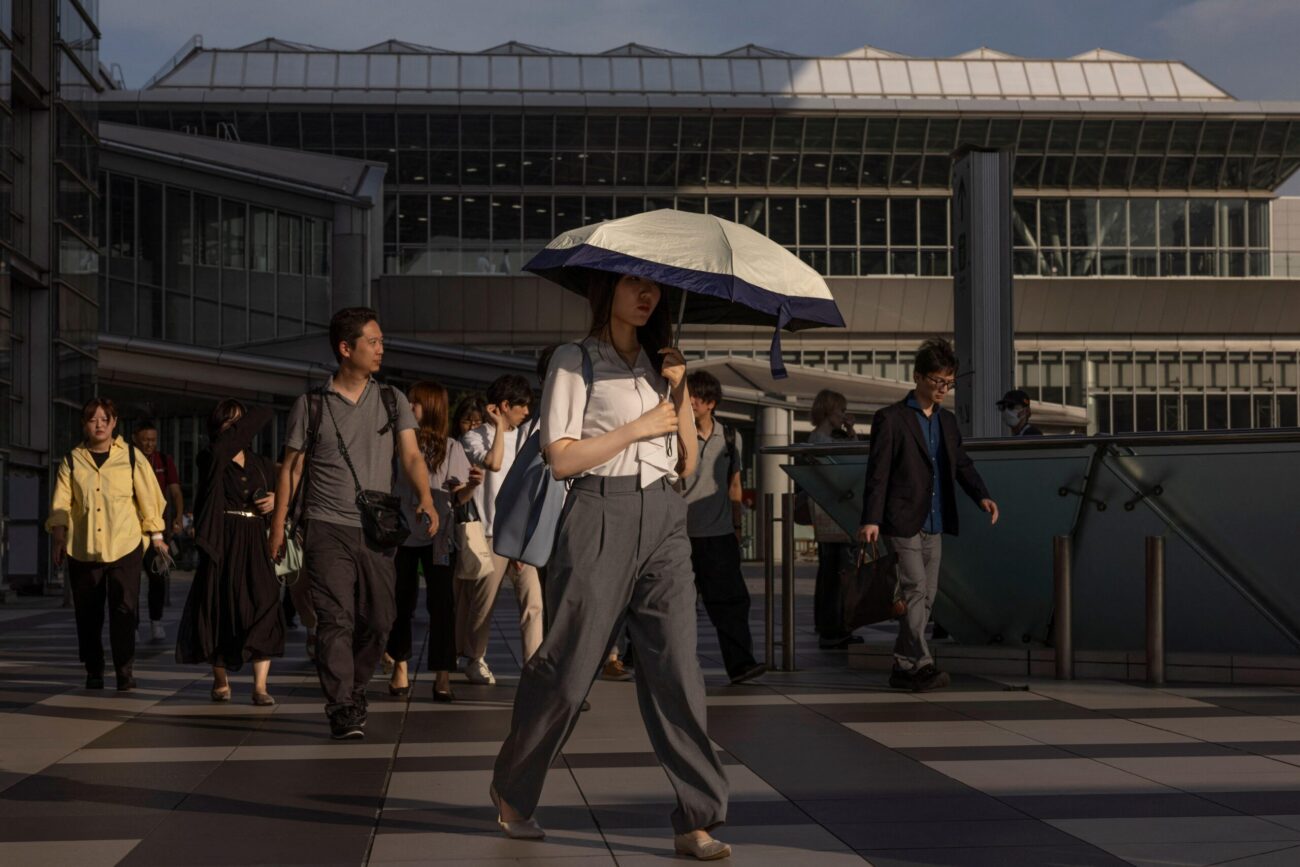
A trip to Japan with an old friend who first taught me why Warren Buffett matters becomes a journey through temples, history and boardrooms – and a search for signs that corporate Japan may finally be changing.