Voices

Sometimes, the mind just keeps drifting back to people.
In my case, it often falls back to Tommie Gorman.
We lost him in June 2024. And, truth be told, I miss him now more than I missed him then.
Yes, he was a rock of sense. But that rock had sincerity, humility, and the capacity to understand the vagaries of life and the nuances of people. He saw curves where other people saw black and white.
In June, on the anniversary of his sad passing, I wrote about his time as a columnist with The Currency. It was one of the easiest pieces I have ever written, but one of the hardest pieces I have ever had to publish. Because to write about Tommie was to question yourself. He was just one of those characters who made you look at things in a different way.
Every compliment from him made you smile, made you feel better about yourself. Every negative comment, and there were many, made you question things, about yourself and about society. It was just the nature of who he was and how he made an impact on people – it is no surprise political leaders from all sides attended his funeral without fuss or fanfare.
Tommie spent most of his life working for RTÉ. That is how people know him.
But, as I wrote earlier this year, I have long believed his real passion was for words, as a writer. He pored over every word he wrote. If I changed one, edited one, or amended one, he would be on the phone questioning the decision. It was the nature of the man. Because those things mattered to him.
It was what made him a brilliant columnist for The Currency.
His background and his human intelligence gave him a deeper understanding of life and of the forces that manoeuvre it, that shape it, for better or for worse. He was an outstanding man and a wonderful columnist.
As I wrote in June: “Tommie never looked at a story in isolation; he stood back and tried to assess what it meant for society and for the individuals who lived within that society. Tommie looked at complex policies and sought to examine what they meant for people. He understood that everything was linked, and he had a wonderful capacity to thread it together so that it made sense to people.”
So, when I set about selecting 25 opinion pieces from the past year to chronicle 2025, my mind drifted to Tommie. What issues would he have written about? How would he have covered them?
At The Currency, we publish at least one opinion piece each day. Most focus on business or economics. Ronan Lyons writes on housing, while Dan O’Brien writes on economics. Siobhán Brett writes from the US, while Willie O’Reilly contributes on media. We have Joe Gill, Ronan McGovern, Johny Looby and Colm McCarthy contributing frequently. Andrea Linehan, a star turn, writes on marketing, while Tara Shine is our climate expert. Kate Demolder writes on culture. The list goes on.
Our aim is to give thoughtful people the time and space to express themselves and to articulate their views in an unpressured way.
We hope it succeeds.
I am selecting 25 pieces, not because they are the “best” of the year, but because they represent the themes and topics that defined the year.
*****
Sam Smyth: I didn’t buckle when Lowry sued me personally twice. It is sad to see this government cave
I have written extensively about the influence of Michael Lowry on the Government.
The reasons for our perseverance are clear: The Moriarty Tribunal found that Lowry, then minister for communications, delivered the State’s second mobile phone licence for the businessman Denis O’Brien. It said O’Brien later sought to confer a material benefit on Lowry.
It also found that O’Brien transferred £477,000 (€569,000) to various Lowry-controlled accounts, arranged for a US$50,000 loan to Fine Gael (it was returned), and supported Lowry in obtaining a £420,000 bank loan. Justice Michael Moriarty found that the payments were “demonstrably referable to the acts and conduct” of Lowry while he was minister.
Yet, Lowry remains a central powerbroker in this Government. This is something Sam, one of the country’s foremost journalists, wrote about in this column, where he revisited the various court actions taken against him by Lorwry.
“Like the then Taoiseach and the Tánaiste, the leader of Sinn Féin, and all of the members of the Dáil, I concur with every finding, including corrupt behaviour, made about Lowry by the Moriarty tribunal. And yet after all this history, Lowry has reemerged on the political stage as a would-be kingmaker,” Sam wrote.
Siobhán Brett: Having trouble spelling tariffs? As a colleague told me, just remember it ends in ffs

Many years ago, I sat beside Siobhán Brett when I worked on what was then The Sunday Business Post. She was young, but her talent was obvious. I have watched her career with interest, following her move to the US, where she now works as opinion editor with the Portland Press Herald. It was a pleasure when she agreed to write a regular essay from the US.
One of her standout pieces was on Donald Trump’s tariff crusade.
As she put it: “Until 2022, I worked as an editor for a national public radio programme, Marketplace, comprising a set of business and economics-focused morning bulletins, an evening programme and a variety of podcasts that went out to millions of American listeners.
“During one of many trade war-related editorial meetings (such is the regularity of the sparring that Marketplace owns the novelty URL areweinatradewar.com, and I cannot remember an instance since discovering it that that website has not told me the answer to the question is “yes”), a colleague complained of his difficulty with the spelling of the word “tariffs.”
“Just remember,” another offered saltily, “it ends in ‘ffs.’”
I can not add anything to that.
Dan O’Brien: What I would have told the Oireachtas committee – if they had let me speak
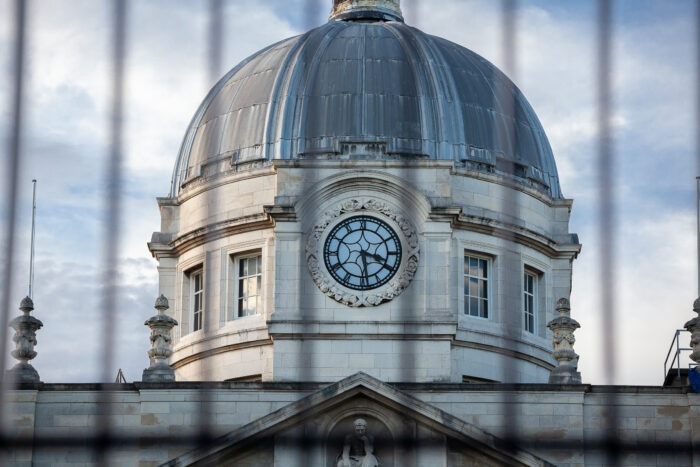
Earlier this year, Dan was invited to present before the Oireachtas committee on the Israeli Settlements Bill – only for the invitation to be revoked hours before he was due to speak. I read his submission, and honestly, it’s the kind of writing that stays with you.
He didn’t take a political stance. He didn’t get lost in rhetoric. Instead, he focused on the tangible consequences: the scale of Ireland-US economic ties, the potential fallout for jobs and taxes, and the legal tools the US could use if things went wrong.
What struck me most was how calmly and methodically he laid out the stakes. Half a trillion dollars of US investment. One in six private-sector jobs is linked to American firms. €73 billion in exports. He didn’t just list numbers; he framed them in a way that made the reader truly grasp the complexity of the issue.
Reading it felt like watching someone carefully assemble a jigsaw puzzle – you can see the full picture clearly, without needing anyone to shout.
Dan O’Brien is a relatively new addition to The Currency. Not everyone agrees with him. But his views are important to what we want to achieve: a broader debate about public policy.
John Looby: Lessons from three decades in the financial markets
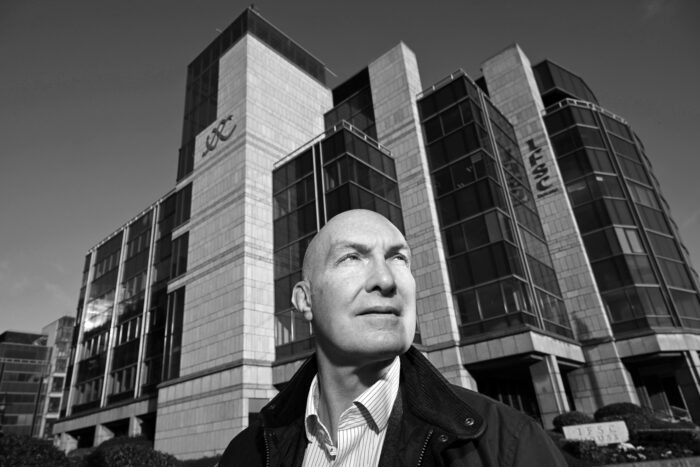
John Looby is moving on. Not from The Currency, but from his role as an investment manager. It means that his columns will become more frequent in the new year. This month, however, he reflected upon his career in the financial markets.
In his reflective essay, John charted three and a half decades of financial-market upheaval with the clarity of someone who lived every moment of it at the trading desk. From the optimism that followed the fall of the Berlin Wall to the sudden jolt of Saddam’s invasion of Kuwait, he revisited the crises that shaped global markets: Black Wednesday, the ERM turmoil, the peso collapse, the Asian financial crisis, Russia’s default, the dot-com crash, 9/11, the global financial crisis, and the eurozone’s near-breakup.
What emerges is a reminder that markets are never governed by logic alone but by the volatile mix of politics, psychology, and human behaviour.
What Citywest says about Ireland
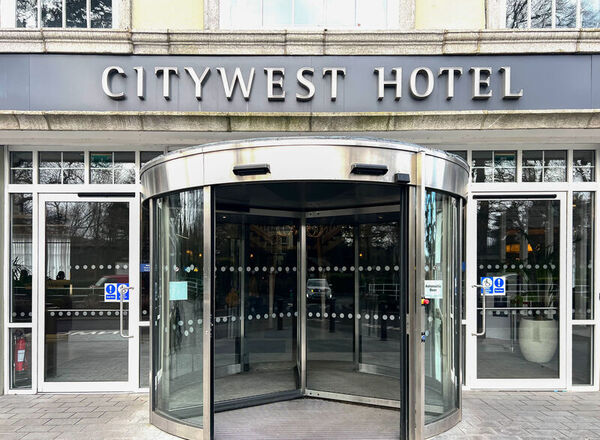
In my column on Citywest, I explored how a single hotel became a shorthand for two turbulent decades of Irish economic and social change. What began as Jim Mansfield’s grand Celtic Tiger vision – a sprawling resort built on debt, optimism and sheer audacity – unravelled with the crash, when banks seized the property and foreign funds swooped in to buy it for a fraction of its boom-time valuation.
Citywest’s story might have ended there, another monument to overreach, but the pandemic shifted its fate: first a testing and vaccination hub, then one of the State’s largest accommodation centres for refugees and international protection applicants.
By the time the Government agreed to buy it for €148 million this year, Citywest had ceased to be a hotel and become critical infrastructure. Its transformation mirrors Ireland’s own: boom, bust, bailout, repurposing – a country constantly rebuilding itself from the last chapter.
Colm McCarthy: The ghost of the Bertiebowl haunts the Government’s infrastructure “delivery” mantra

Colm McCarthy’s incisive column on the National Development Plan offered a clear-eyed critique of Ireland’s approach to capital spending, highlighting the risks when ambition outpaces fiscal prudence. He focused particularly on Dublin’s Metrolink, observing that “no cost estimate is available or apparently required,” while the Tánaiste confidently assured the public that “you will never regret spending money on capital”. For McCarthy, the episode exemplifies a broader pattern: the sidelining of rigorous evaluation in favour of political momentum.
He warned that when the Public Spending Code is ignored, “ill-advised schemes will secure political momentum,” leaving both State agencies and taxpayers exposed. Historical lessons loom large: “The extreme volatility of the Irish economy… the sheer speed at which boom can turn to bust,” he noted, referencing crises from the 2010 Troika intervention to the €1.6 billion National Children’s Hospital overrun. He emphasised that in a downturn, budget policy is the only available stabiliser, and yet over-enthusiastic capital allocation risks compromising future flexibility.
Colm also criticised the erosion of institutional safeguards, noting that “the preliminary business case prepared by project promoters should be cross-checked at central government level before a capital allocation is even sought,” a practice no longer reliably observed. With billions earmarked for projects lacking planning permission, cost clarity, or independent review, he argued the Government is leaving itself open to inefficiency and waste.
The political rage of Sydney Sweeney

In one of the year’s most talked-about cultural flashpoints, Kate Demolder examined how Sydney Sweeney’s American Eagle campaign spiralled far beyond denim into a referendum on beauty, politics, and identity. The ad itself was knowingly provocative: Sweeney, already a magnet for right-wing admiration and left-wing suspicion, delivers cheeky lines while the camera lingers suggestively, culminating in the now-infamous pun, “My genes are blue.”
In a calmer year, it might have been disposable wordplay. But in 2025 – amid immigration crackdowns, DEI rollbacks, and renewed mainstream flirtations with eugenics – the subtext became impossible to ignore. Critics accused the brand of racial insensitivity and fetishising white desirability; conservatives framed the backlash as proof of liberal fragility.
As Kate argued, the controversy ultimately revealed more about the culture consuming the ad than the ad itself: a moment where marketing, politics, and collective anxiety collided in a single, viral spectacle.
“Is Sweeney’s courting of Republicans any worse than the pseudo-mental health ads or greenwashing campaigns stars seemed to cling to years ago? The only difference here, one might glean, is that Sweeney is simply being commercially savvy; she is using her assets to make a living in an industry that could spit her out at any moment. In that way, all of us are in the gutter… but some of us are looking at the stocks,” Kate wrote.
Tom Lyons: Paddy Cosgrave has settled. But at what cost?

The drawn-out legal battle between Paddy Cosgrave and his former Web Summit colleagues finally concluded this year, ending in a settlement costing Cosgrave more than €20 million. As Tom column’s stated, “If he had better judgement, Cosgrave could have settled this case four years ago for a fraction of what he is now paying.”
Instead, he spent millions and countless hours preparing for a trial he was always going to settle.
The presiding judge, Justice Michael Twomey, eventually called for a “reality check,” prompting serious settlement talks that concluded in less than 48 hours. Cosgrave acquired the shares of Daire Hickey and David Kelly, while also resolving other claims, including profit-share disputes. Yet, despite his claims of “vindication”, the financial and opportunity costs were substantial.
As the piece observed, the reputational risk was high, with allegations circulating online under the phrase “Four Floors of Whores,” and the time and money spent could arguably have been better used growing Web Summit or rewarding its 400 staff. Cosgrave may have claimed a social media victory, but in practical terms, Hickey and Kelly emerged as the financial winners.
Stuart Fitzgerald: What entrepreneurs do to look after their mental health

Stuart Fitzgerald’s column explored the intense pressures of start-up life, reflecting on the toll it takes on founders’ health and wellbeing. One founder summed it up succinctly: “Ten years of start-ups… it nearly killed me.” The column highlighted the stark realities: Almost 40 per cent of founders face financial worries, 22 per cent struggle with insomnia, 20 per cent report depression, and 30 per cent experience loneliness.
Stuart drew on advice from experienced entrepreneurs and C-suite mentors, emphasising discipline and consistency in both work and personal life. As one mentor advised: “Mentally set aside diary slots for family and friends. Show up on time and engage as fully as you do at work.” He also stressed the importance of having a network of peers who truly understand the pressures of running a business, as family or direct reports often cannot provide that perspective.
Practical steps included taking money off the table to reduce personal financial risk, and recognising when it is time to “quit while you’re ahead,” shifting to advisory roles or new ventures. Stuart concluded that self-care – exercise, sleep, nutrition, and professional support when needed – is critical for sustaining both personal well-being and long-term entrepreneurial success.
Paul McArdle: How to identify – and deal with – a narcissistic boss
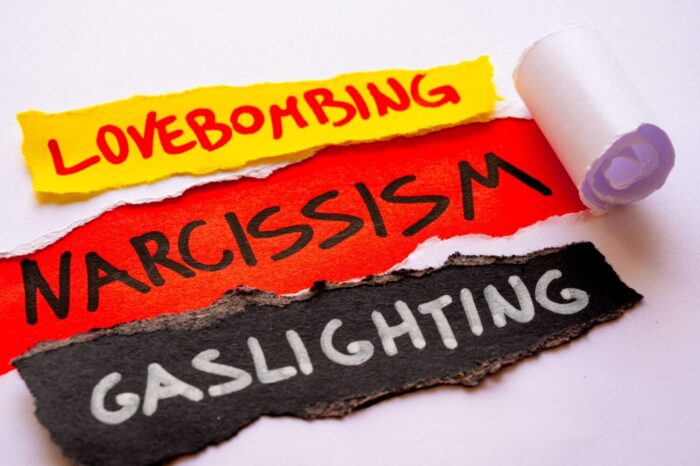
Paul McArdle’s column looked at what it’s like to work for a narcissistic boss, drawing on insights from Isabel Berwick’s The Future Proof Career. He described these bosses as people who are overly self-important, lack empathy, micromanage everything, and punish even minor perceived slights. The result? A toxic workplace where talented employees often feel forced to leave – not because of the work, but because of the person in charge.
Paul stresses that trying to reason with or change a narcissist usually doesn’t work. The best option is often to leave, or, if you’re in a position to act, deal with the problem decisively. He shares examples, like a candidate who had to quit a role after a new CEO poisoned the workplace, and reflects on decades of advising clients in similar situations.
The way Paul sees it, ignoring a narcissist has hidden costs: high staff turnover, constant stress, and lost productivity. His advice is simple but powerful: Recognise the problem, make a plan, and act. Rip off the plaster, he says, and get back to a healthier work life before it eats away at you.
Ronan Lyons: When to offer tax breaks to property developers – and when not to

As we look back on the year, one of the clearest lessons in Ireland’s ongoing housing crisis comes from the work of Ronan Lyons. At its core, his argument is simple: The problem isn’t just about demand, it’s about supply – and policymakers need to understand the lessons of the past if we’re ever to fix it.
Ireland faces a staggering shortfall of homes, around 250,000, and building costs have skyrocketed over the past decade. Lyons points out that simply pouring money into demand-side programs or providing incentives for buyers doesn’t solve the underlying problem. You can push up demand all you like, but if there aren’t enough homes being built, prices just rise – and the crisis deepens.
In this column, he reflects on the mistakes of previous policy interventions, particularly the infamous Section 23 tax reliefs of the Celtic Tiger years. These incentives encouraged developers to build in places where there wasn’t real demand, leaving the country dotted with unfinished estates and wasted investment. Ronan’s point is clear: It isn’t that tax reliefs are inherently bad – it’s that poorly designed reliefs can distort the market and create unintended consequences.
Ronan is also keen to separate supply from demand. Past schemes like Help to Buy may have helped some households, but they mostly shifted prices higher without adding new homes to the market. He reminds us that housing isn’t just about creating “demand”; it’s about increasing the actual quantity of homes – and that requires tackling the supply side, not just subsidising buyers.
Finally, his analysis underscores a broader point: Ideology and fear of past mistakes shouldn’t prevent policymakers from using all the tools at their disposal. Just because a policy was misused two decades ago doesn’t mean it can’t be used wisely today. The question isn’t whether supply-side tax reliefs are dangerous; it’s whether they can be applied in a smarter, more targeted way than before.
Paschal Donohoe is moving on. Ireland will need to show it can move on without him
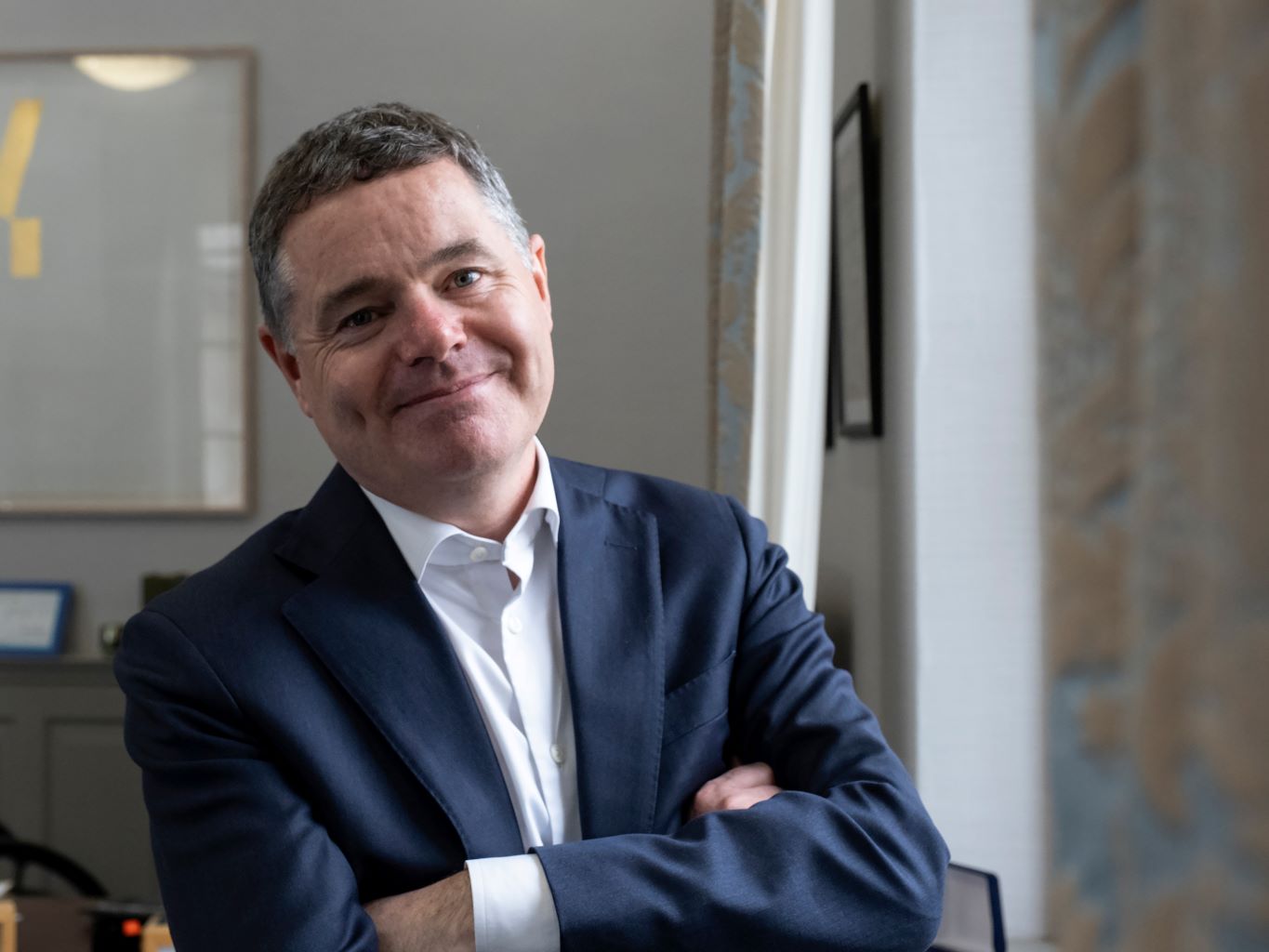
Paschal Donohoe was a giant in Irish politics over the past 15 years.
Whatever your political leanings, he has been a constant figure in either the Department of Finance or the Department of Public Expenditure. He has been a mainstay of Ireland’s fiscal policy, a leader of centerism, and a prominent global figure as president of the Eurogroup.
In November, however, he departed to take a job with the World Bank.
I have interviewed Donohoe more than any other journalist. Over the years, he has been both impressive and articulate, a man committed to a wider worldview. When he announced his departure from domestic politics, I looked at his legacy and what that exit means for Ireland.
“Paschal Donohoe moves on. Ireland now faces the test of moving forward without him – and of proving that the structures, alliances, and policies he helped build are resilient enough to endure. For a country that has benefited so profoundly from his stewardship, that challenge is both urgent and defining,” I wrote.
More than a middleman: How Wholefoods Wholesale became a key route to market for Ireland’s wellness economy

Andrea Linehan is a global leader in marketing, and I was delighted that she opted to write a number of pieces for The Currency. And this year, as I looked back at some of the stories that quietly shaped Irish business, one that stood out was Wholefoods Wholesale. Most people won’t know the name, but if you’ve bought anything in a health store, pharmacy, or supermarket, there’s a good chance Wholefoods had a hand in it.
What struck me about Andrea Linehan’s column was how Wholefoods has become more than a warehouse. It’s turned itself into a strategic enabler for wellness brands, helping it navigate regulations, get shelf space, and actually sell its products. In a market as fragmented as Ireland’s wellness sector, that’s huge.
Alan Martin, its managing director, puts it simply: “We’re not just shifting boxes. We’re helping brands find traction.”
And that’s exactly what they’ve done. With 7,000 SKUs across 400 brands, they don’t take everything that comes their way. They back products that work, that have substance, and that have a credible founder behind them. It’s a selective, deliberate approach that gives retailers confidence and consumers quality.
Planning for a plan – Where next for Irish aviation?

Ireland is a massive aviation hub. This is undisputed.
Yet, over the course of a series, Joe Gill examined how we could improve it. The final part of his series brought together the issues raised throughout.
According to Joe, with a few bold, long-term steps, Irish aviation can not only continue to thrive but truly become a model of innovation, sustainability, and global connectivity. There’s a lot to celebrate – and even more to look forward to.
Willie O’Reilly: From Karl Marx to Sally Rooney, advertising remains the bellwether of the economy
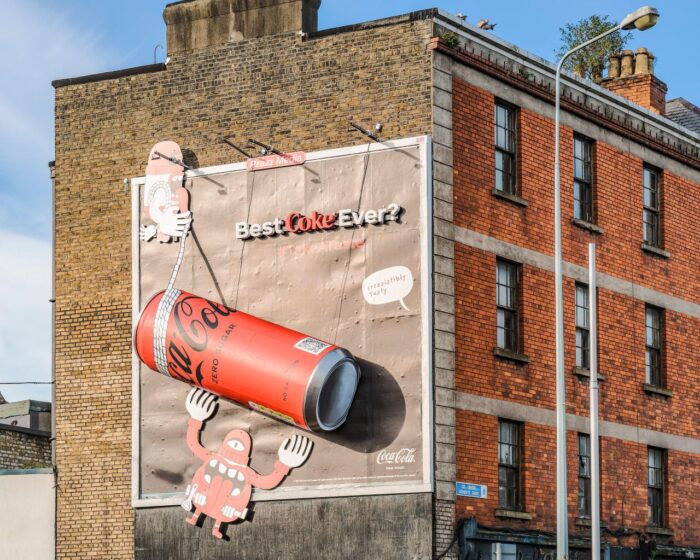
Sally Rooney once wrote that “advertising, needless to say, is pointless.” And sure, as a novelist, she’s focused on words that matter on the page, not billboards or banner ads. But in Ireland, advertising is far from pointless. It’s a €1 billion-plus industry, employing thousands across writing, production, strategy, and creative roles. It helps shape consumer choices, informs the public, and keeps the media ecosystem alive.
As Willie O’Reilly pointed out in his column, digital now dominates the market, making up almost two-thirds of all ad spend. What was unthinkable 25 years ago – small businesses reaching thousands of potential customers with €100 online – now happens every day. Yet traditional media is far from dead: TV viewership grew last year, radio advertising climbed by 1.4 per cent, and out-of-home billboards, now often digital, are seeing a revival.
The Core report, which O’Reilly cites, reminds us that advertising doesn’t just sell products; it sells information. From public health campaigns to local business promotion, it keeps people informed, connected, and engaged. While Rooney may dismiss it as trivial, the truth is that advertising is woven into Ireland’s economy, supporting jobs, driving growth, and ensuring that the media continues to thrive. It may not be literature, but it’s essential work nonetheless.
Ireland needs to ramp up defence spending to protect its FDI. Sweden and Finland can show the way
Foreign direct investment is crucial to Ireland. It is the backbone of our industrial policy. That’s why we are delighted to have Byron write about these issues. His background: a London-based specialist advisor who supports high-growth and IP-rich businesses to scale in complex, regulated environments.
His experience spans business development strategy, revenue operations, market entry, partnerships, and public affairs. In parallel, he advises investment promotion agencies on organisational design and foreign direct investment attraction.
Byron often frames these issues with a clear question: What are we actually doing to match ambition with reality?
This is an article worth reading.
Waking COP 30 – political failure versus economic reality
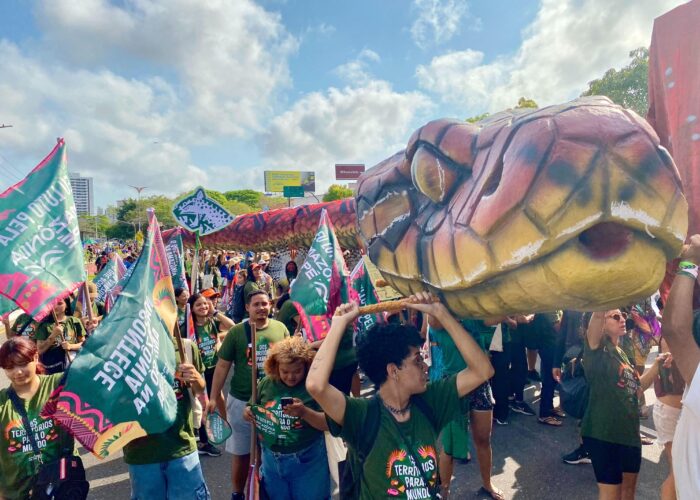
COP 30 in Belem came and went, and if you blinked, you’d have missed it. Tara Shine paints a vivid picture: Delegates leaving, the venue being dismantled, the city slowly returning to normal. Politically, it wasn’t earth-shattering – no fossil fuel phaseout, no clear end to deforestation – but that’s the reality of global climate talks these days. Incremental wins, not headlines.
But here’s the thing: The politics matter less than the economics now. Tara points out the unstoppable momentum of the clean energy transition. Solar costs fell 12 per cent last year, Ireland’s solar capacity topped 2GW, and battery storage costs have dropped 93 per cent since 2010. Spain, once an expensive market, now gets cheaper electricity from renewables than the EU average. Uruguay? 98 per cent of electricity from renewables, cheaper energy, 50,000 jobs created.
“What does this mean for you? Despite the headwinds facing sustainability caused by the Trump administration’s love for oil and the stalling by the EU on mandatory reporting, the transition away from fossil fuels is well under way and the benefits of renewables in terms of costs, security of supply and clean air are irresistible,” she wrote.
“So if anyone tells you that COP 30 shows that climate action is dead, think again. The economic reality says otherwise.”
Ronan McGovern: How AI is changing entrepreneurship

Ronan McGovern’s journey into software and AI isn’t just a personal story – it reflects the very points he writes about in his various columns for The Currency. After co-founding Sandymount Technologies, he realised hardware alone wasn’t enough: Software was taking over every business. His first project, an e-commerce payments platform using stablecoins, failed to find a market – but the lessons he learned shaped his next move.
In his first column, he wrote about how AI tools like ChatGPT and Windsurf have changed software development, making prototyping faster, cheaper, and more accessible. That’s exactly what he’s doing with Trelis Research, building tutorials and tools for training AI models. As he notes, lowering the cost of experimentation allows more people to take shots at starting businesses, with power-law dynamics meaning a few big successes can lift the whole ecosystem.
“As entrepreneurs take more shots on goal, whether sequentially or in parallel, they become a little more like venture‑capital firms. Founders may increasingly diversify their time across multiple investments. Capital still funds growth, yet the equilibrium has shifted a little toward founders as the scarce resource,” he writes.
My friend walked out into the sunshine of Parkgate Street with his family. It was over

One of the most difficult stories we covered this year was the ongoing saga of John McClean, the serial abuser whose crimes at Terenure College left lasting trauma for generations of boys. The courage of survivors coming forward has been remarkable, and their stories are a powerful reminder of the importance of accountability – not just for individuals, but for the institutions that failed to protect them.
The piece remains outside the paywall.
The Doge debacle: How Musk’s blundering exposes the folly of Trump’s efficiency crusade
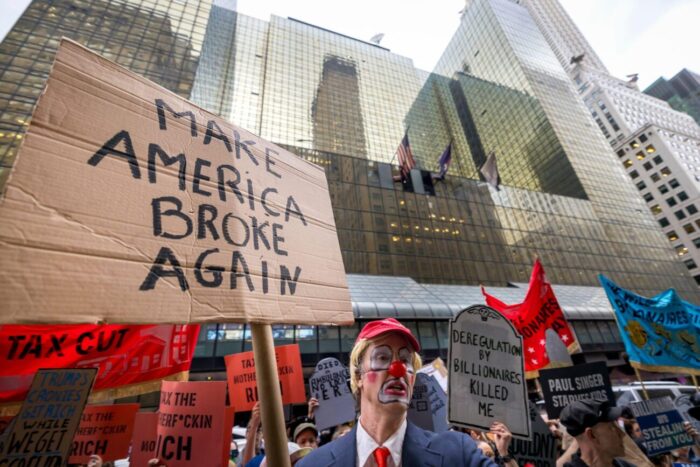
One of the more surreal stories of the year came from Constantin’s reporting on the Department of Government Efficiency, better known as Doge. Launched under Donald Trump and fronted by Elon Musk, Doge promised to cut $2 trillion (€1.75 trillion) in federal spending while raising an equal amount in import tariffs. Four months in, as Constantin lays out, it was “a patch of plaster on the twin gaping shark bite wounds of the US public debt and fiscal deficits.”
With no congressional authorisation, no official budget, and a flurry of imaginative accounting, the department became a theatre of absurdity. In one striking example, Constantin notes that an $8 billion savings measure “turned out to be an $8 million supplier contract that Musk’s tech bros running Doge had mistakenly inflated by a factor of 1,000”.
The numbers kept piling up in equally baffling ways. Doge’s “Unconstitutionality Index”, supposedly tracking rules created by unelected bureaucrats, assigned a score of 18.5 for 2024 – even though, as Constantin wryly observes, “there is nothing intrinsically unconstitutional about bureaucrats creating rules designed to implement the laws passed by Congress”.
Meanwhile, insubstantial payments like a $0.01 refund from the University of South Florida were listed as major achievements. Constantin captures the mix of managerialism, obsession with metrics, and outright incompetence: the Doge dashboard was “packed with catchy leaderboards, a wall of receipts, and grants and leases termination lists, few of which are traceable and even fewer verifiable”.
Constantin writes: “We need to rework the systems used to communicate from the state to the taxpayers”. If done with clarity and accountability, transparent reporting could be transformative. Doge may have failed spectacularly, but it offers a cautionary glimpse of how government could be both more open and more comprehensible, if the numbers actually made sense.
Peter Kinsella: Markets are starting to get worried about sterling

“One of the best things about working in the foreign exchange market as an analyst or a portfolio manager is that you get to see whether your ideas are right or wrong almost instantaneously.”
So wrote Peter Kinsella in his exploration of the UK currency market earlier this year.
He points to structural issues, including stubbornly high UK inflation and weak productivity growth, with the Bank of England slowing quantitative tightening while real interest rates remain barely positive.
“The bottom line is that markets appear to be concerned about the immediate and long-term prospects for sterling – they may be wrong, or they may be right, but they are clearly concerned,” he writes.
Tom Lyons: From staff to passengers, DAA’s stakeholders deserve more answers
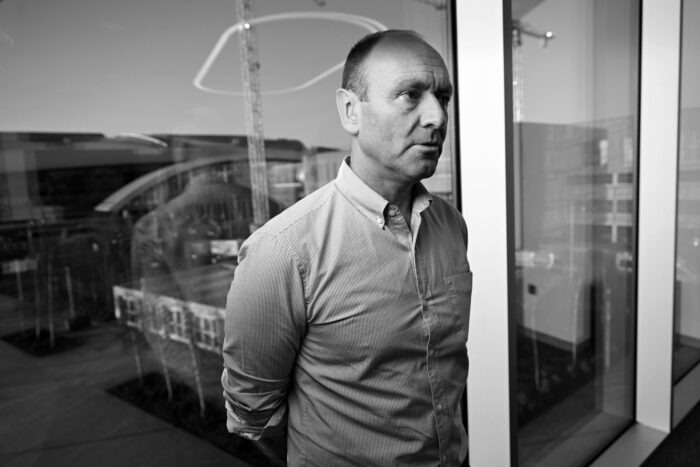
The standoff between the board of the DAA and the semi-state’s chief executive, Kenny Jacobs, has rumbled on in recent months.
Yet, what is the dispute about and what happens next?
Tom went underneath the story and assessed what it means for Ireland. “Amid a boardroom rift, complaints that were not upheld, and ‘unsettling speculation’, we still don’t know what is happening inside the semi-state responsible for Ireland’s largest airports that has led to reports of its CEO’s departure,” he wrote.
Dan O’Brien: How Ireland prospers amid economic uncertainty
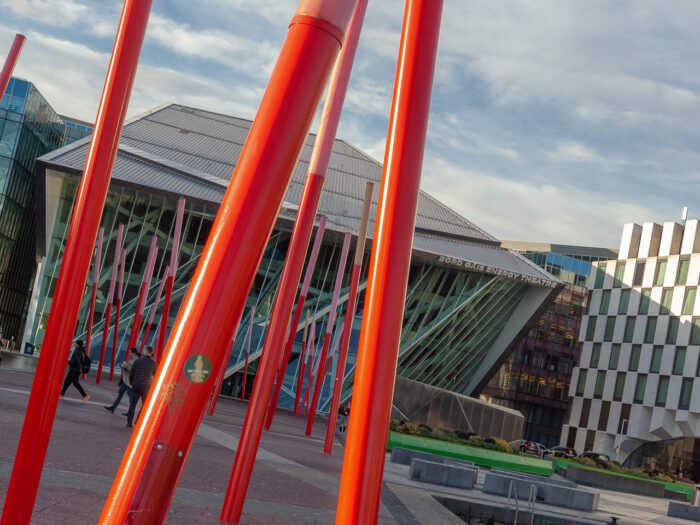
This year, global economic uncertainty has been the norm. The US faces political turbulence and risky tariff policies, while much of Europe struggles with stagnation, slowing employment, and fiscal pressures. Against this backdrop, Ireland has been a rare bright spot.
According to Dan O’Brien, our economy has continued to thrive, with record government revenues, strong employment growth, and significant expansion in manufacturing and construction. Immigration, particularly skilled workers from India, has played a key role in sustaining growth and boosting tax revenues. Housing supply remains constrained, but overall momentum is strong.
Looking ahead, O’Brien warns of risks from US trade tensions and potential tech slowdowns, but for 2025, Ireland stands out as resilient. It’s been a year of growth and opportunity – a reminder of how exceptional our economic position is compared to our neighbours’.
Siobhán Brett: Trump thinks he’s ending wars. The Democrats are still fighting theirs
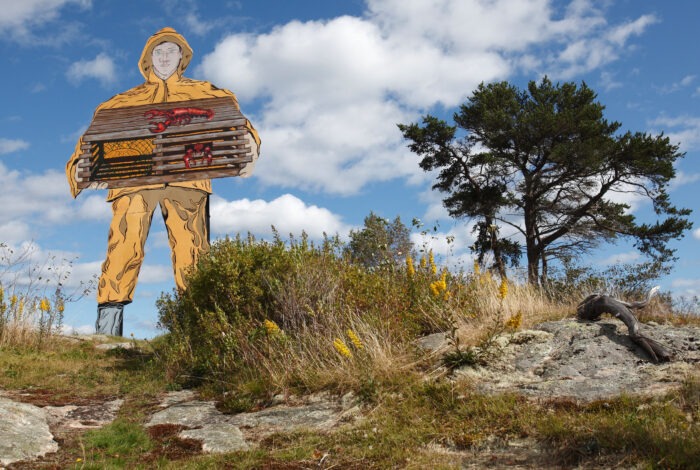
President Trump continues to portray himself as a master dealmaker, claiming credit for multiple international peace deals, including a recent US-brokered agreement in Gaza. However, domestically, the US faced political dysfunction, with the federal government in a record-breaking shutdown due to Congressional deadlock over funding and Affordable Care Act subsidies.
Meanwhile, the Maine Senate race (not due to be held until November 2026, but already making headlines) highlights tensions within the Democratic Party. Progressive newcomer Graham Platner attracted attention and fundraising success, despite controversies over past social media posts and a tattoo linked to a Nazi symbol, which he has since altered.
Establishment candidate and Maine Governor Janet Mills, endorsed by national Democrats, represents the “safe” choice. This race exemplifies the broader “lib-left divide”, showing the tension between risk-taking progressive candidates and the party establishment’s preference for predictable, conventional candidates.
Sionbhán frames this as a microcosm of national Democratic struggles: balancing new, ideologically bold candidates with electoral pragmatism in an era of political polarisation.
Why Ireland’s housing starts have plummeted – and what it really means

Ronan Lyons’ analysis of Ireland’s housing starts in H1 2025 paints a cautionary picture, despite surface-level optimism. While the headline drop from almost 35,000 new homes started in H1 2024 to just 6,325 in the first half of 2025 seems catastrophic, the story is nuanced: much of 2024’s surge was artificial, driven by developers racing to beat the expiry of development levy waivers. In essence, some of 2025’s “missing” homes were already counted last year, meaning the year-on-year collapse overstates the true decline.
Even so, the underlying trend remains concerning. Professional developers, the segment that truly moves the needle in terms of housing supply, are starting far fewer homes than needed. The rolling average of 3,000 starts per month falls short of the 4,000-plus required to meet Ireland’s structural demand of over 50,000 homes per year. The figures indicate that Ireland is not building enough to keep pace with population growth, immigration, or long-standing housing shortages.
Ronan’s emphasis on the distinction between one-off homes and professional development is critical. One-offs are relatively steady, impervious to market signals, and do little to address the broader shortage or affordability crisis. The sharp decline in professional starts, therefore, signals systemic issues: high construction costs, regulatory burdens, and possibly developer caution after the artificial boom of 2024.
The policy implication is clear: temporary incentives and waivers create distortions, but the long-term challenge of expanding housing supply remains. Even assuming the “extra” homes started over the past 18 months all get completed, Ireland is still underbuilding relative to need. For policymakers, the lesson is stark: Structural reforms, not one-off surges, are required to address Ireland’s housing deficit.