Voices
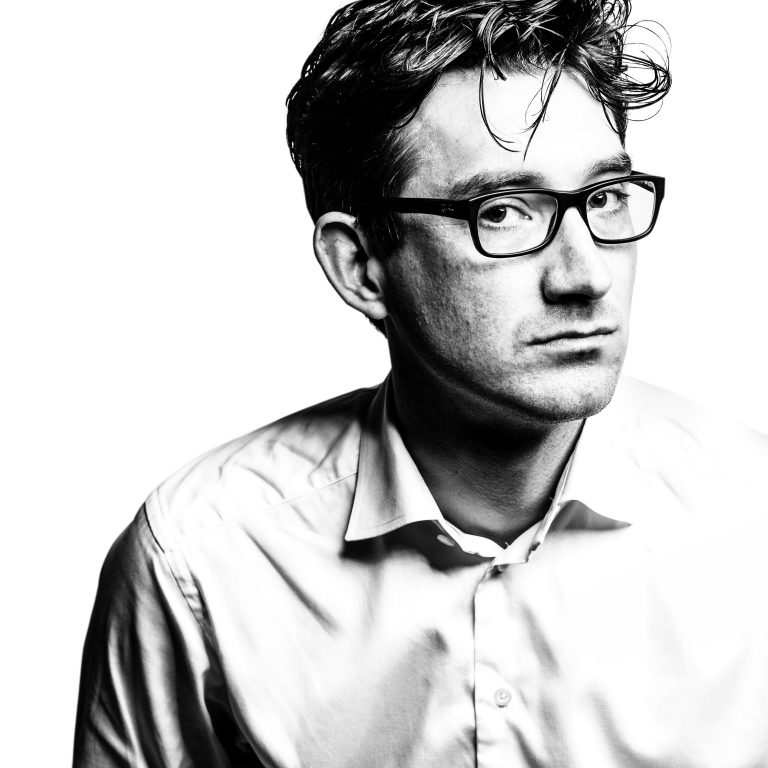
Tony Boyle did not set out to challenge the establishment. He just sought to win the State’s second mobile phone licence.
But the way Boyle saw it, he had no choice but to doggedly pursue the State for decades over the awarding of that very licence.
Boyle led Persona, the consortium that finished second in the 1995 process, losing out to Denis O’Brien’s Esat Digiphone.
Boyle felt wronged and issued High Court proceedings.
The consortium, Persona, is claiming a minimum €500 million in damages. The company alleges that, because of the “misfeasance in public office” of the then-communications minister Michael Lowry, Persona lost its chance to win the licence. O’Brien asked to be added as a defendant in the case, which both he and the State are defending.
Boyle fought all the way to the Supreme Court to have his day in court, and was forced to see numerous delays due to the lengthy work of the Moriarty Tribunal.
Last year, he even sold a stake in the company to a US-based investor to help fund the action. The case is due to be heard shortly.
Sadly, Boyle will not be around to see it, having passed away this year. His death was mourned by many, including his friend Sam Smyth.
As Sam put in his obituary of Boyle: “Surrounded by his beloved family in Raheny in north Dublin, it was the peaceful passing of an honourable man who had climbed the slippery slope of business success. He was, I can attest, a good friend and a formidable opponent, but primarily, Tony Boyle was an honest man.”
Sam wrote beautifully about the man and how he had built his own global communications business while battling the State. He also recalled the good work Boyle did in building business relationships between Ireland and Portugal.
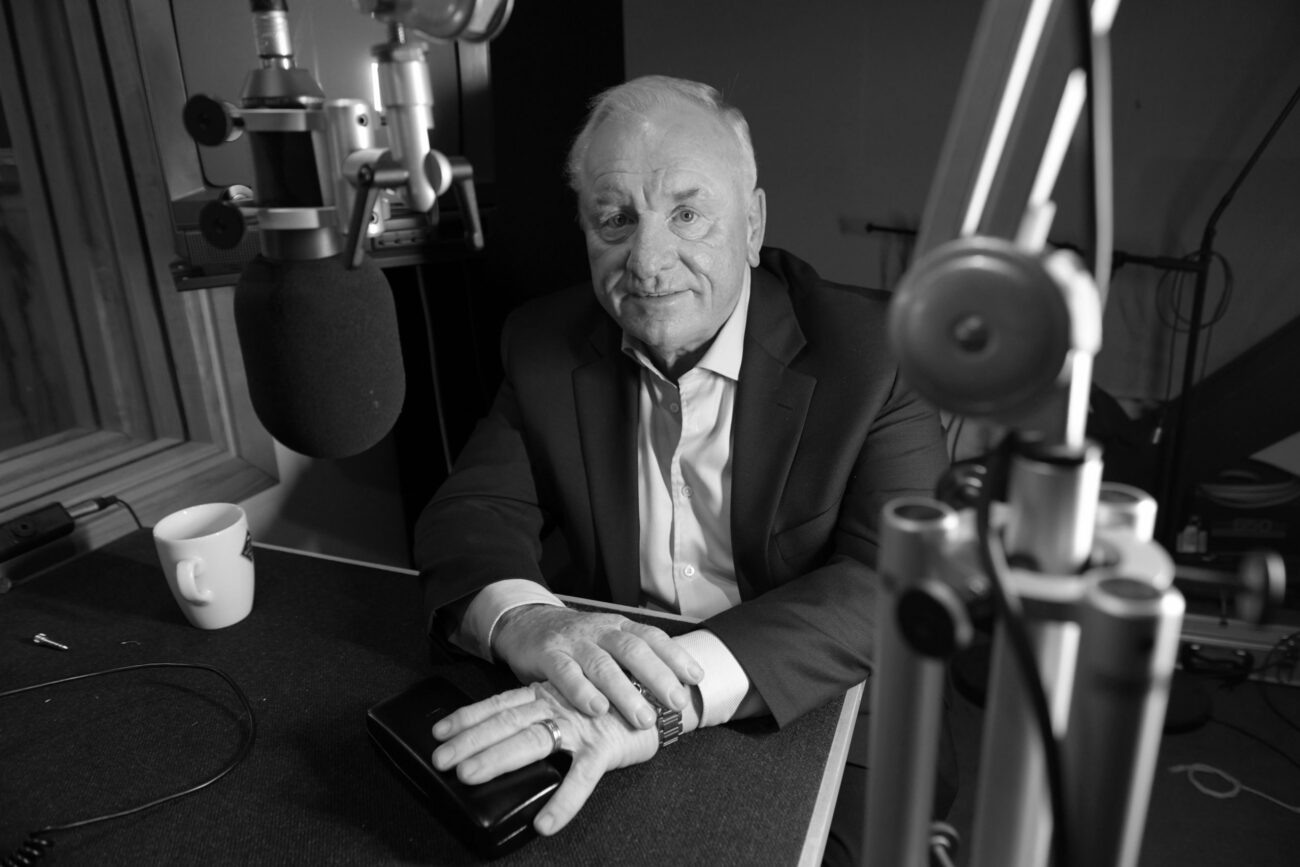
But Sam could not help returning to the mobile phone licence, recalling a quote from an interview between the two men.
“It’s very difficult for any mere mortal to fight not only the State but the richest man in Ireland. Then, in particular, when the two of them are working against you, it is a very, very daunting circumstance. If we were not so convinced that we are right, and absolutely right, we wouldn’t bother.”
Boyle added: “This is not the ramblings of, as many people have called me, a poor loser, this is about a flawed government-commissioned inquiry.”
Boyle is sadly missed.
The businessman was not the only person to pass away this year. And over the past year, we wrote about a number of major public figures who died.
“You couldn’t write the script of his life. He had two movies in him”
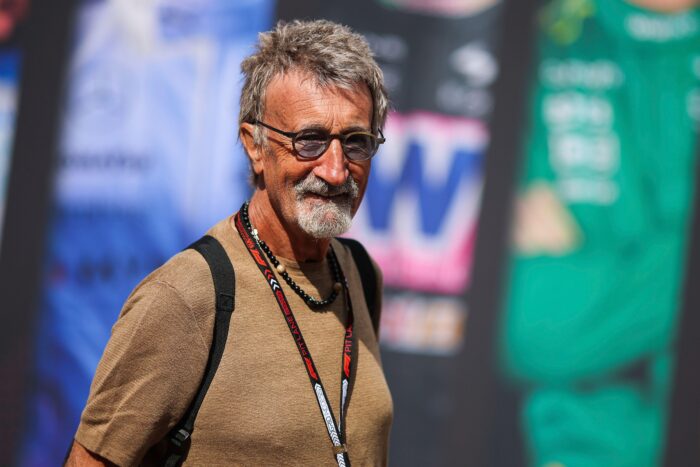
Eddie Jordan was a force of nature. He was relentlessly driven, but blessed with a wonderfully mischievous streak. He built a Formula 1 team from scratch, breaking into a global sport that seemed impenetrable. And he also built a successful array of investments and business interests.
Along the way, he accumulated friends. Lots of them.
In the aftermath of his passing in March, Michael and Tom spoke to a number of them.
One was Michael Brady, who helped get Jordan’s fledgling team sponsorship in the early days.
“Eddie had balls. Eddie had guile. He had brass. He took a chance on everything,” Brady recalled, adding: “Nobody in the history of the world will again start a Formula 1 team from nothing on their own. You couldn’t write the script of his life. He had two movies in him.”
Another was the restaurateur Patrick Guilbaud, who first got to know Jordan in the 1980s, when they were both starting out. “Eddie was irrepressible. He could smell a deal,” he recalled. “He didn’t come from a wealthy background, like we all did, but he worked his way to the top. He loved his family, and his children are very nice people. Eddie stayed down to earth. He was a unique person.”
It is a fitting tribute to a one-of-a-kind.
Remembering Hugh Wallace
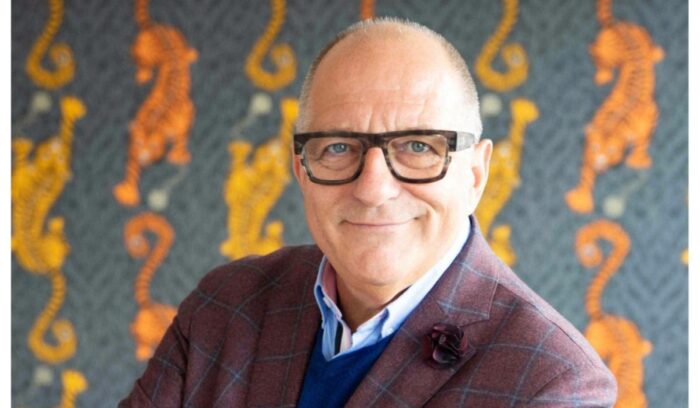
In recent weeks, Tom reflected on the life and career of architect Hugh Wallace, charting his rise during the Celtic Tiger, when his firm Douglas Wallace flourished amid easy money and rapid expansion, and his subsequent fall when the boom collapsed.
Wallace candidly acknowledged that his success was built on unsustainable finances, leading to receivership, loss of control of his business, and alcoholism. He later rebuilt his life and career on a smaller, more sustainable footing, becoming widely loved both as an architect and a television personality.
“Hugh Wallace was unashamedly passionate about making people’s homes better, and his loss is felt deeply in both his profession and on television,” Tom wrote.
Eccentric, engaging, and endlessly Irish: Sam Smyth on Lord Henry Mount Charles
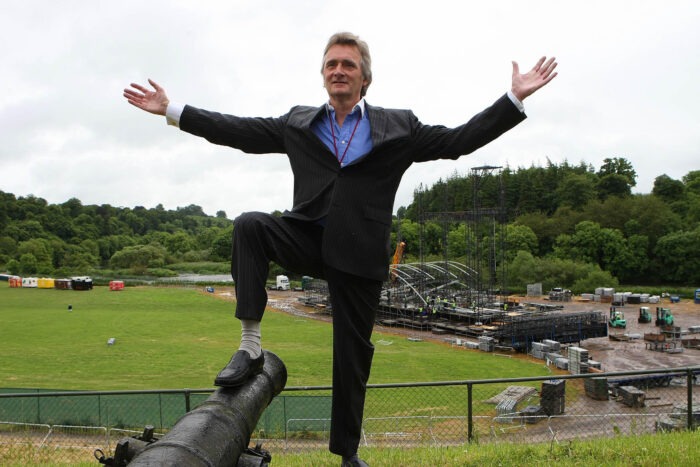
He laughed with Jagger, marched with trade unionists, and rebuilt Slane Castle. As Sam put it in his tribute to Henry Mount Charles: “The 8th Marquess Conyngham understood the privileges of his birth but chose the road less travelled.”
Sam recalled that Lord Henry, as he was widely known, did many great – and some silly – things through an extraordinary 74 years, but there was never any doubt that he loved his neighbours and Ireland dearly until his death from cancer.
Sam spoke to his friend Eamon McCann, a lifelong radical socialist. “The first time I met him was at a football match in Dublin, and he joined a march in solidarity with the Polish trade union movement, Lech Walesa’s lot,” he says.
Sam summed up his life and contribution to music wonderfully. “Lord Henry Mount Charles had many of the admirable qualities and irritating failings so many of us share. As an individual, he was kind and generous, occasionally foolish and sometimes silly, but always a loyal friend and a decent man… Ní bheid a leithéid arís ann,” he wrote.
Shelly Corkery: Hilary Weston was a cherished friend and a radiant spirit
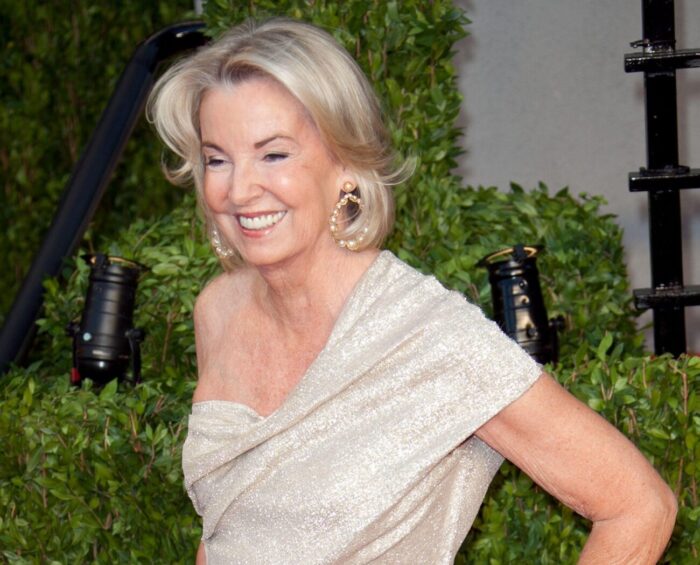
Hilary Weston, the Dublin-born businesswoman instrumental in the growth of Penneys and Brown Thomas within the Weston family retail empire, died in August.
In a poignant tribute, her friend and former colleague Shelly Corkery wrote about the time they spent together and gave an insight into the kind of woman that Weston was.
“I had the great privilege of knowing Hilary since 2000, when I began my career at Brown Thomas. From our very first meeting, I was struck by her beauty and her genuine warmth. She had that rare quality of making you feel as if you were the only person in the room. She also had an innate ability to connect with grace, empathy, and sincerity,” Corkery wrote.
She added: “Hilary was constantly curious, always asking questions, suggesting new ideas, and engaging in thoughtful conversations about innovation and change. She loved initiatives like the project Create, which championed Irish designers’ talent. She made a point to support and connect people with opportunity. That ability to connect and uplift others quietly, powerfully was one of her greatest gifts.”
It was a fitting tribute to an exceptional person.
Mick O’Dwyer and the limitless ambition of the Kerry dream
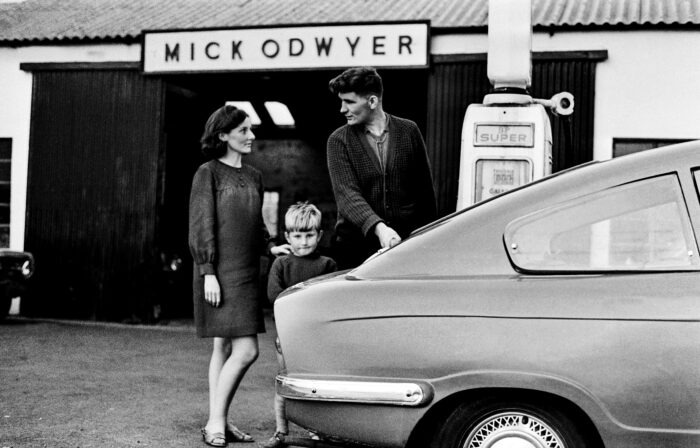
Mick O’Dwyer’s life and legacy can be traced through movement: across counties, across eras, across myths. From the uncertainty over whether he drove a Buick or a Baby Ford to his Kerry debut in 1957, cars became part of the folklore that followed him. Later, the image of O’Dwyer driving thousands of miles a week as a manager came to symbolise not just dedication, but ambition.
After his passing this year, Dion reflected on the man and the enduring legacy he had created.
He won 12 All-Ireland titles as a player and manager with the Kerry footballers over the course of his 33-year involvement with his native county. But Dion went further, putting his achievements into a wider sense of time and place.
“If you were mythologising you would say this sense of infinite possibility could come from Kerry itself. It can feel like a place not just on the edge of Europe, but on the edge of the world. Isolated and adrift one moment and then, when the clouds clear minutes later, a place of endless opportunity,” Dion wrote.
“Either can make you restless, either can give you a feeling that there is a world out there to be conquered.”
Anne Harris: Marianne Faithfull found solace, and an artistic reawakening, in Ireland
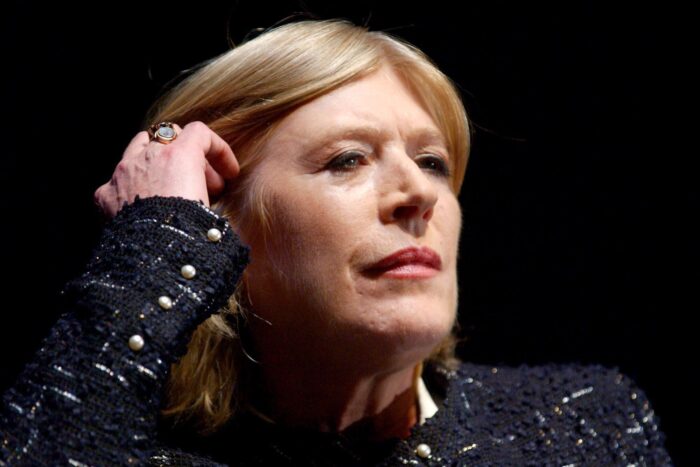
Marianne Faithfull’s relationship with Ireland was marked by collapse, refuge and reinvention. When Anne Harris and Ian Galvin met Vogue editor Alexandra Shulman in London in 1993 to propose a shoot with Faithfull, it was striking that anyone so iconic still needed vouching for. Yet Faithfull’s career, like that of many artists, had moved between adoration and near-oblivion.
Ireland was central to her life. Much of her darkest period unfolded in Ireland in the late 1970s, after the breakdown of her relationship with Mick Jagger.
The 1990s brought calmer “Shell Cottage” years in Kildare, marked by friendship, fashion, eccentric parties, and renewed creativity. Ireland proved central to her artistic reawakening.
“Though her years in Ireland were marked by personal struggles, that night undoubtedly epitomises what she found in Ireland. Safety, support and of course the sense of peace she always spoke of,” Anne wrote.
“Many things contributed to her artistic reawakening, but it was in Ireland that she evolved from a waif-like 1960s pop icon into a highly respected world-class artist.
“That was the woman who turned up for the Vogue shoot.”
Energy all around: Mullins mourned by those who worked with him closely
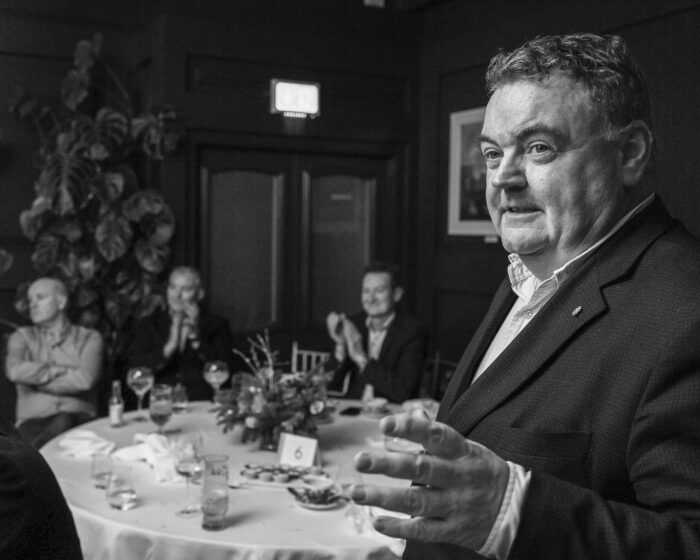
The businessman and former Bord Gáis chief executive, John Mullins, died suddenly in April after taking ill at his home in east Cork. Thomas spoke to a host of industry leaders, politicians and not-for-profits to get a sense of a man who died far too young and to reflect upon his many achievements in business.
“The John Mullins people didn’t see was a very hard-working, intelligent, sensible individual interested in public service as well as business,” according to his friend, the former tánaiste Simon Coveney, who also paid tribute to his energy and positivity.
Coveney pointed out that Mullins had risen from humble beginnings to the top echelons of business through education, hard work, and ambition. “It’s quite unusual in today’s Ireland to have people who are successful in business, relatively wealthy, and choose to get involved in a multitude of voluntary things,” he reflected.
Mullins was a fluent French speaker and received a Légion d’Honneur decoration from the French government in 2016. “John was not only a highly accomplished businessman but also a dedicated leader and passionate advocate for the French language and culture,” Alliance Française de Cork president Valérie David-McGonnell told Thomas.
Sam Smyth: Farewell Donnacha Fox, investment broker, man of great integrity and friend
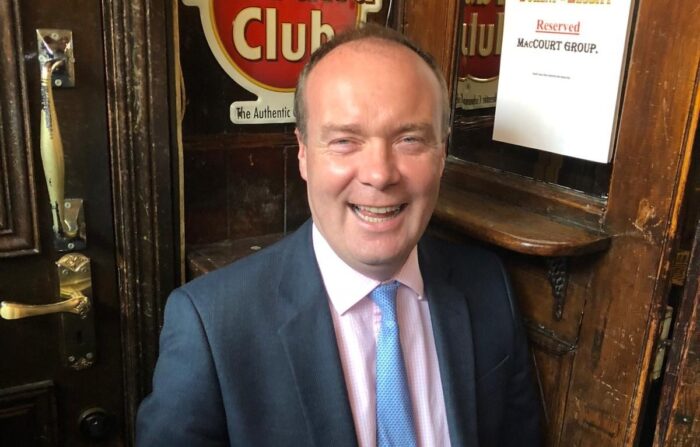
Quilter Cheviot founder Donnacha Fox died suddenly in January. As his friend Sam Smyth recalled, he was at the peak of his career as one of the country’s leading investment advisers.
Sam spoke to a number of his friends, who recalled a man of empathy and kindness — and one also blessed with a poker face.
One client was the former U2 manager Paul McGuinness. “He was an excellent investment broker and we shared many good and profitable times through the years we worked together. I will remember Donnacha Fox as a gentleman of unswerving personal and professional integrity. And a great partner for a proper lunch,” McGuinness told Sam.
Sam recalled the many good times they shared, and the piece is littered with wonderful anecdotes.
Orla Kiely – My memories of Paul Costelloe, a mentor and friend
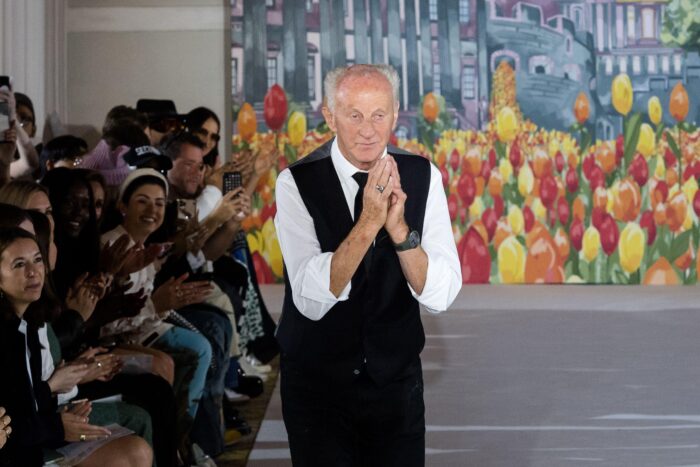
Alan reached out to the designer Orla Kiely when it emerged that the internationally renowned fashion designer Paul Costelloe had passed away in November. And Kiely was more than happy to talk about a man she regarded as a friend and mentor.
“He was always very honest, but always with diplomacy and kindness,” says Kiely. “There was no pretending. He spoke freely and uncensored. He told you what he thought and what he believed and I always thought that was a quality to be admired. That was who he was — and he was brilliant.”
When Alan quoted Costelloe’s words from a 2011 interview to her, Kiely was moved: “If I could only buy one interiors label for my house, it would have to be Orla Kiely.”
“Did he really say that?” she asked, before adding: “I was so very grateful to have him as a friend, and we were blessed on so many levels to have him in our lives. They’ve been all the better for it.”
Post script
Although Veronica Guerin did not pass away this year, Anne remembered her former colleague from the Sunday Independent in a wonderful tribute this year, and it would be remiss of me not to mention it here. As Anne put it, Guerin’s killing, 29 years ago, exposed more than a single act of brutality — it revealed how organised crime, institutional silence, and civic complacency were eroding Ireland’s moral core.
Here is a passage: “They say the last faculty to give up when the spirit leaves the body is hearing. During that interminable five hours on that terrible day – June 26, 1996, Veronica cannot have failed to have heard the weeping of her colleagues as they gathered around the red Ford Calibri.
“If she had heard it, she knew she was not only respected. She was loved.”