Stories
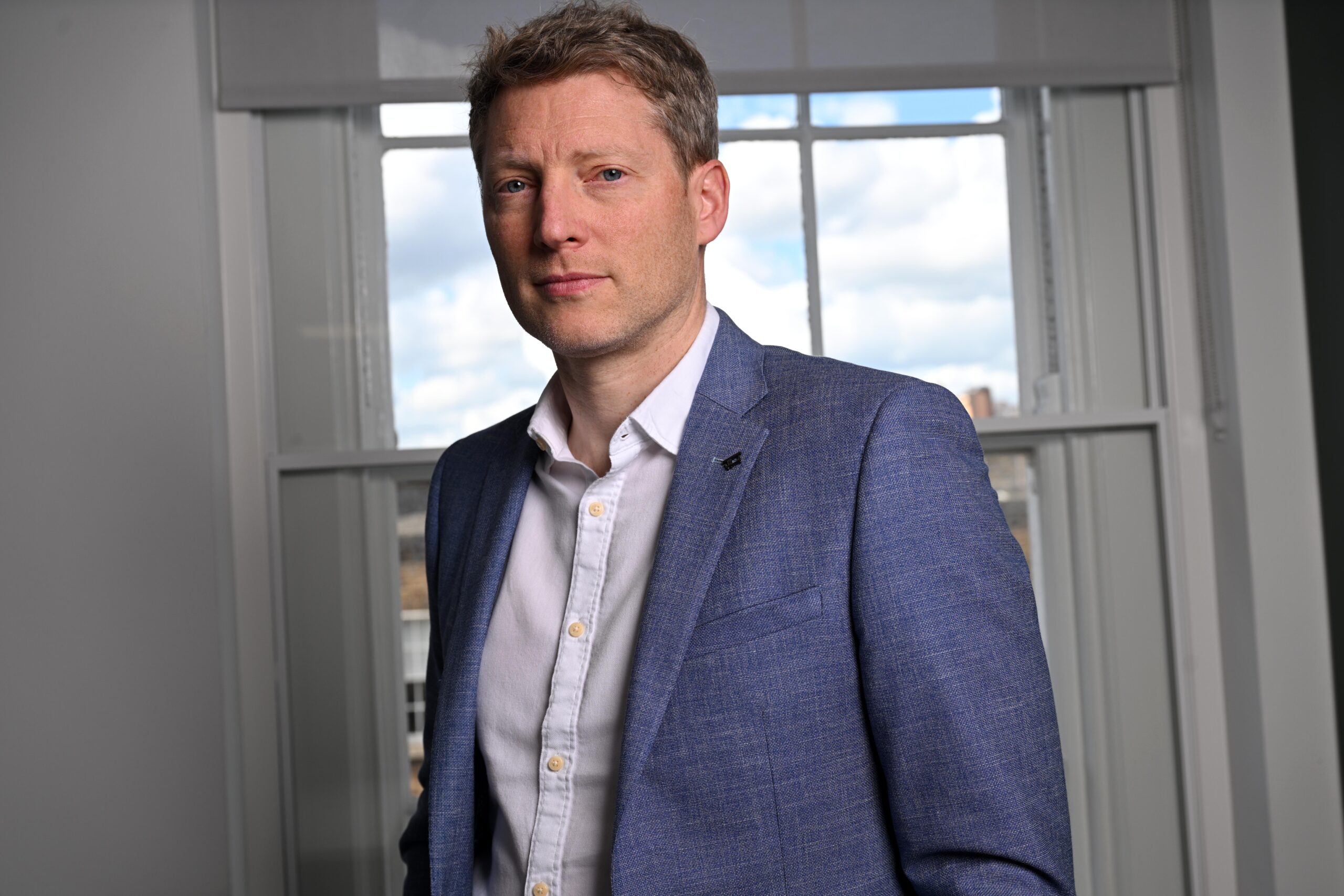
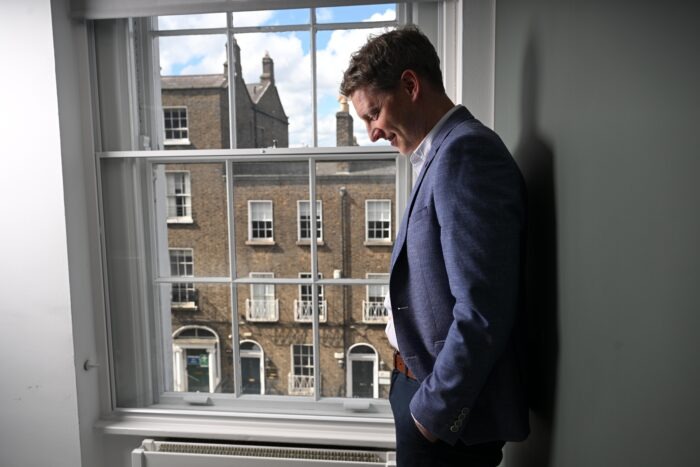
The headquarters of Quilter Cheviot Europe overlooks Lower Pembroke Street, just a short walk from Dublin’s historic Fitzwilliam Square. Patrick Good, head of wealth planning, welcomes me into the boardroom of a business that has been operating in Ireland for over 20 years.
After Brexit, Dublin became Quilter Cheviot’s European headquarters. The firm is part of a broader group with 14 offices across England, Scotland and Wales, as well as international locations in Dublin, Dubai and Jersey. Quilter Cheviot traces its history back 250 years and has had a presence in Dublin for two decades. The group manages £32.1 billion (€37 billion) in assets, with approximately €2.9 billion based in Dublin.
Over coffee, Good tells me Quilter Cheviot takes a holistic approach to wealth management, reflecting best practice across its long history, and its belief in having a local team for its clients with access to its international resources. He said it takes a personalised investment approach that bring together multiple skill sets for the benefit of their clients.
“We see wealth management, financial planning and investment management as going hand in glove,” he said. “We spend time with our clients figuring out what the best structure is to ensure that investment growth arrives in the right place.”
“If you have the wrong structure then even when you’ve done very, very well in the markets, it can be costly to access this wealth. You really have one opportunity to get that part right and it is at the outset, otherwise it can be complicated and expensive. That’s why we tend to lead with financial planning and spend time with our clients understanding what they want to achieve and how best we can help them to do that. It is about working through the different options and delivering the best solution that puts our client at the centre of what we do.”
Zero assumptions, many questions
Before joining Quilter Cheviot, Patrick Good qualified as an accountant at EY in 2010. “It was smack-bang in the crash,” he said. “I learned a lot from seeing the mistakes that were made then.”
He later worked at Bank of Ireland as a treasury accountant before gaining front office experience in Investec’s capital markets division. He then developed his expertise in taxation with boutique private client firm KTA Tax Advisers.
This breadth of experience informed his decision to join Quilter Cheviot in 2022, enabling him to advise the firm’s high-net-worth clients as they try to spot the opportunities and avoid the pitfalls that wealth inherently brings.
“Our job is to try to ensure good client outcomes and make sure our clients make well-informed financial decisions,” he said. “It is a really interesting and fulfilling job.”
“There’s a huge amount of wealth being created, and it is spread all over the country,” he said. “We have business development teams in all regions because in every town and village there is wealth being created that needs to be managed.”
The ways Good sees it, there are record amounts of deposits in personal and company bank accounts, which are not working for people as they should. “People are earning almost nothing,” he said. “In real terms, that means people are losing money when compared to inflation.
“People can be nervous of financial markets. In Ireland, we don’t have the investment culture or history that has developed in other economies. The concept that cash is safe is something that you have to bring people away from.”
Good said another risk facing clients was overdependence on one source of wealth and a concentration in one asset class, typically either property or a large shareholding in one multinational company.
“We regularly sit down with couples who are both employed in the tech industry, perhaps even in the same company. They have good six-figure salaries, and maybe seven figures in company shares. They have big mortgages on their family home, and they don’t want to sell their shares because they’ve only ever gone up, and capital gains tax will have to be paid. They will sit across from you and tell you they are low risk, but they are not.”
Good said Quilter Cheviot’s job is to advise these types of clients on how to reduce their risk and exposure to any one asset class, adding that it was impossible to anticipate what a client’s needs were before sitting down with them.
“I make zero assumptions,” he said. “That’s what makes the job so interesting. Different people have different circumstances, different family circumstances. What may look straightforward on paper can be highly complex behind the scenes.”
He said the important thing was to engage with the planning process which often crystalises objectives. “Putting a plan in place gives a level of certainty that allows people to ride out periods of volatility,” he said.
“People who have been with us for over five years have seen the aftermath of Brexit, Covid, War in Ukraine, and now we are into Iran. What used to happen once a decade now happens every 18 months and yet, well diversified portfolios are generating good returns, albeit volatility is high. Having a plan, staying invested, and being able to pick up the phone to talk to somebody, adds a huge amount of value.”
Good said it was also about advising people on how to efficiently take enough money off the table to enjoy life. After all, there has to be a purpose to this wealth generation. The timing and method of accessing your wealth can be critical to securing good outcomes. “We work with clients at all stages of their journey to ensure they know their options and can plan towards that “exit” event, whatever that looks like.”
Diversity of clients
Quilter Cheviot’s main business in Dublin is serving Irish clients, but it also has a growing division supporting non-Irish people relocating to Ireland and elsewhere in Europe. “These have traditionally been can be retirees, but more commonly they’re still actively working,” Good said. “We can help them do pre-move planning and then continue that work when they move to their new country.”
He said it was crucial for investors to get advice before moving to Ireland or elsewhere in Europe, as rules are different everywhere. “It is vital to spot the pitfalls early – and understand what happens to your existing investments and financial structures; pensions, savings, ISAs etc… when you become an tax resident in a different jurisdiction” he said.
A big trend that Good is seeing is that more successful people are moving from the United States to Ireland. “They can bring serious wealth and complexity as the rules are so different. What works in the United States may not work in Ireland, it is important to think everything through,” he said.
“A lot of their wealth may stay in the States because it is in a pension or property, but they come over here with a pool of money looking to establish a new life.
“And it’s not just Americans that are on the move, given the large-scale changes in the UK tax rules, we are seeing a lot of UK people move to Europe. There are now more hoops for them to jump through regarding Visas, but that isn’t stopping them and whilst there are some lovely outcomes for people who engage in pre-move planning, the opposite is also true for those that don’t. Moving countries is complex, financially, legally, and culturally.”
Working with Irish people is, however, the largest part of its business. “The vast majority of our business is Irish – either successful entrepreneurs or successful executives,” he said.
He added: “We are growing, and the last two to three years especially have been very positive.”
The minimum size for a discretionary account with the firm is €250,000, but he said its average size is in the millions.
Investment approach
“Discretionary means you tell us what you want to achieve and how much risk you want to take and how long you want to stay invested. We take control of the portfolio once you set the guidelines and then we do the rest,” he said.
He said Quilter Cheviot has its own UK-based investment research team serving all clients, feeding their knowledge into the local investment management team led by Alan McIntosh, the Chief Investment Officer. Having just acquired GillenMarkets, the investment expertise at their disposal is considerable. “We adopt the approach that well diversified portfolios, across jurisdictions, industries, trends and asset classes drive the best returns for clients and help us to effectively manage investment risk.” The firm, he added, also prides itself on a simple and transparent cost structure, with no entry or exit fees and no transaction commissions. As a result, the incentive for the firm and their clients is aligned; protect and grow their client’s wealth.
“We’re not a corporate broker for anyone. We don’t run our own funds,” he said. “Our interests are aligned with our clients.”
In relation to fees, he said: “We find a lot of people still don’t understand what fees they are paying. You can get people really annoyed about the performance of their investments and then you look under the hood and they’re paying big ongoing fees plus an upfront charge to set-up so it is not surprising their investments haven’t grown that much.
He argued his firm also avoided locking up clients’ funds in investments that could be hard to reverse out if things went wrong.
“Our mantra is that everything we do is listed and liquid,” Good said. “This means if we tell you something’s worth 100, you can go online and check that it’s worth 100. And if you want your money back, we should have your money back within two to five days.
“There’s some longer lead times on some of our third party funds, but generally speaking within a week, you get your money back and if you are not happy with our service or our performance, you can lift up your Quilter Cheviot portfolio and you can find another home for it without any tax implications.”
For us every client has a dedicated investment manager who is available on on the phone and on email.”
Longer, active retirement and inter-generational wealth planning
People are living longer, and this longevity is changing their investment requirements, according to Good.
“Gone are the days when all you did was take out an annuity which paid out X consistently every year,” he said. “People are now having to plan for 30 to 40 years of active retirement. We provide a service to clients called cash flow modelling. We look at wealth over decades.”
He said a particular issue in Ireland was that many people invested in property. “If you have a need for a liquidation event, then it can take six to 12 months to get your money,” he said. “It can also be problematic for the next generation if you leave a lot of illiquid assets in your estate. It can necessitate selling the property as the next generation doesn’t have the cash on hand to pay their tax bills.
“When you retire at 60, you may have 30 years left so you need to plan for that. We shouldn’t be trying to sell people something that they don’t understand. We want to generate consistent returns that compound over 10 years and are transparent about fees. We believe in picking good quality companies to invest in that will grow and compound over time.
“Our aim is to protect your capital and grow the value of your portfolio. But it’ll be in a very incremental way.”
Good said generally speaking they now model their client’s lifespan up to them being aged 100, as people are living longer. “We are conservative with how we model things – what growth we build in, what inflation we build in and how we invest,” he said.
“The important thing is to stay invested. A portion of your assets need to be invested in liquid risk assets to stay 3 per cent to 5 per cent above inflation. You can’t be all in bonds or money markets funds – and need to be partly in equities or other risk assets.”
Country-wide, multi-generational wealth creation
For Patrick Good, the satisfaction lies in finding the right solutions for his clients, something he said is what he enjoys most about his job.
“I get a kick out of helping people and telling them what I’ve seen work elsewhere and helping them avoid mistakes that others have made,” he said.
He said wealth in Ireland is now more widely distributed than in the past. “It’s not Dublin-centric,” he noted, pointing to clients he has recently met in places such as Carlow, Kilkenny, Ennis, Cork and Galway who have built up significant wealth through their businesses.
“For the first time, a large section of Irish society is grappling with wealth that is not debt financed and trying to decide what to do with it,” he said. “The reality is that you need to put the right structures in place from the outset, or as early as possible, to ensure the best outcomes in the future.”
He said it wasn’t just about growing wealth for his clients but also ensuring that they were set up to pass on intergenerational wealth efficiently. “If people don’t engage in tax planning then the single biggest beneficiary to their estate will be the state,” he said. “The compounding effect of all the different taxes that have to be paid is really punitive.
Good said this was all relatively new in Ireland so there weren’t the same options as elsewhere. “The UK has developed more options as sections of the UK have had serious wealth for far longer than we have, so the industry, experience and culture is more mature,” he said. “We have only a handful of effective measures to consider when passing wealth to your loved ones. It is so important to position yourself with the right wealth advice, tax advice and legal advice.”
This wasn’t easy, he admitted, but it could be done. “There’s no silver bullet. You have got to do multiple meaningful steps. It is never too soon to think about this. And the earlier you engage the better the outcome will be for you and your loved ones.”
“Some people are worried that if they set their kids up so they never have to work, then they will never work,” he said.
“You can set it up so they don’t have control over the investments that are in their name. The parents will still retain control, so their kids only get money when their parents decide they are ready.”
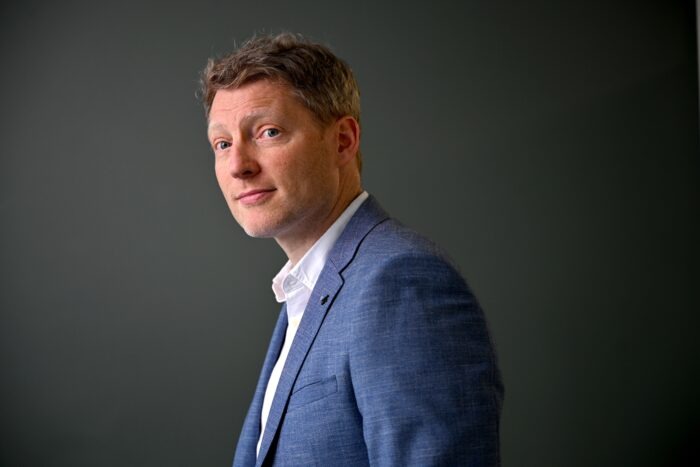
“Starting this when children are young can result in significant wealth over a 20- to 25-year period growing in the children’s names,” he said, adding that preserving and passing on wealth requires both careful planning and thoughtful investment.
He added that while some clients are leaving Ireland to reduce their tax bills, doing so is not straightforward and nor should it be.
“It can take four to five years to come out of the Irish tax net,” he said, “individual circumstances like having elderly parents, being near their children or grandchildren, or their own health issues mean that many people don’t want to leave Ireland”. “Moving abroad doesn’t work for a lot of people,” he said. “But that doesn’t mean you shouldn’t analyse it and think it through.”
Wealth is rising in Ireland and so is the complexity that it brings. Issues around intergenerational wealth transfer are going to become more important – just look at the recent record gift and inheritance tax receipts.
At Quilter Cheviot Europe, through their holistic approach to wealth management, they appear well positioned to help their clients plan for the future with confidence.
This content is for information purposes only and does not constitute investment, tax or legal advice. Views expressed may not be suitable for all investors and are subject to change. Readers should seek independent professional advice before making any financial decisions.
This article is partner content and has been produced in association with Quilter Cheviot.