Stories

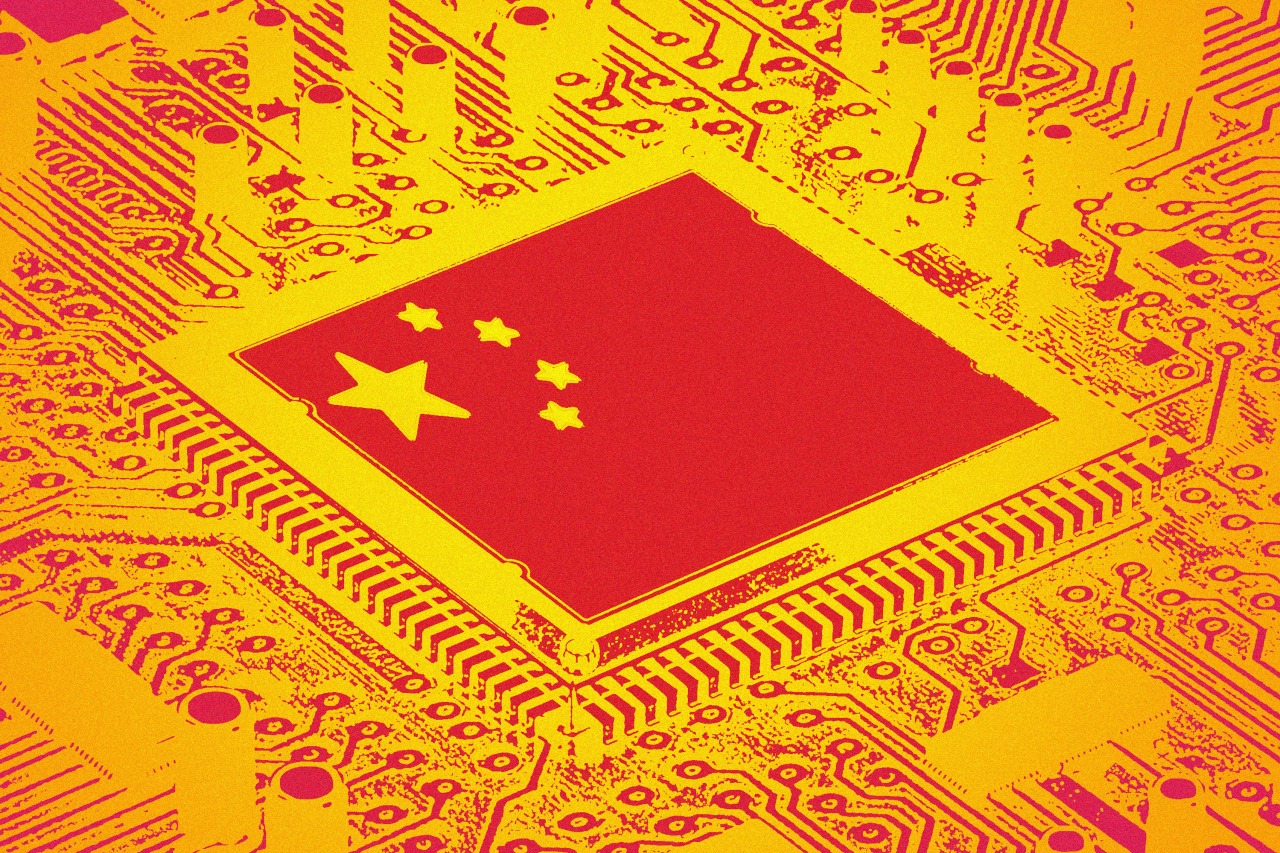
Last summer, top Chinese chip developer Huawei Technologies held a closed-door briefing for the country’s technology czar to introduce its latest artificial-intelligence chips. The company laid out a plan for rivaling American behemoth Nvidia and said China could become self-sufficient in some critical areas of AI within three years. It was just what Ding Xuexiang, a confidant of Chinese leader Xi Jinping, wanted to hear. Three years earlier, Washington had squeezed China’s access to cutting-edge AI chips and the tools required to manufacture them—a potentially crippling blow to the country’s ambitions as a tech power. With Xi’s blessing, Vice Premier Ding started a…
Cancel at any time. Are you already a member? Log in here.
Want to continue reading?
Join today with an Annual Membership and get full access to The Currency and The Wall Street Journal for just €200 or try Monthly Membership for just €5 for your first month.
