Stories

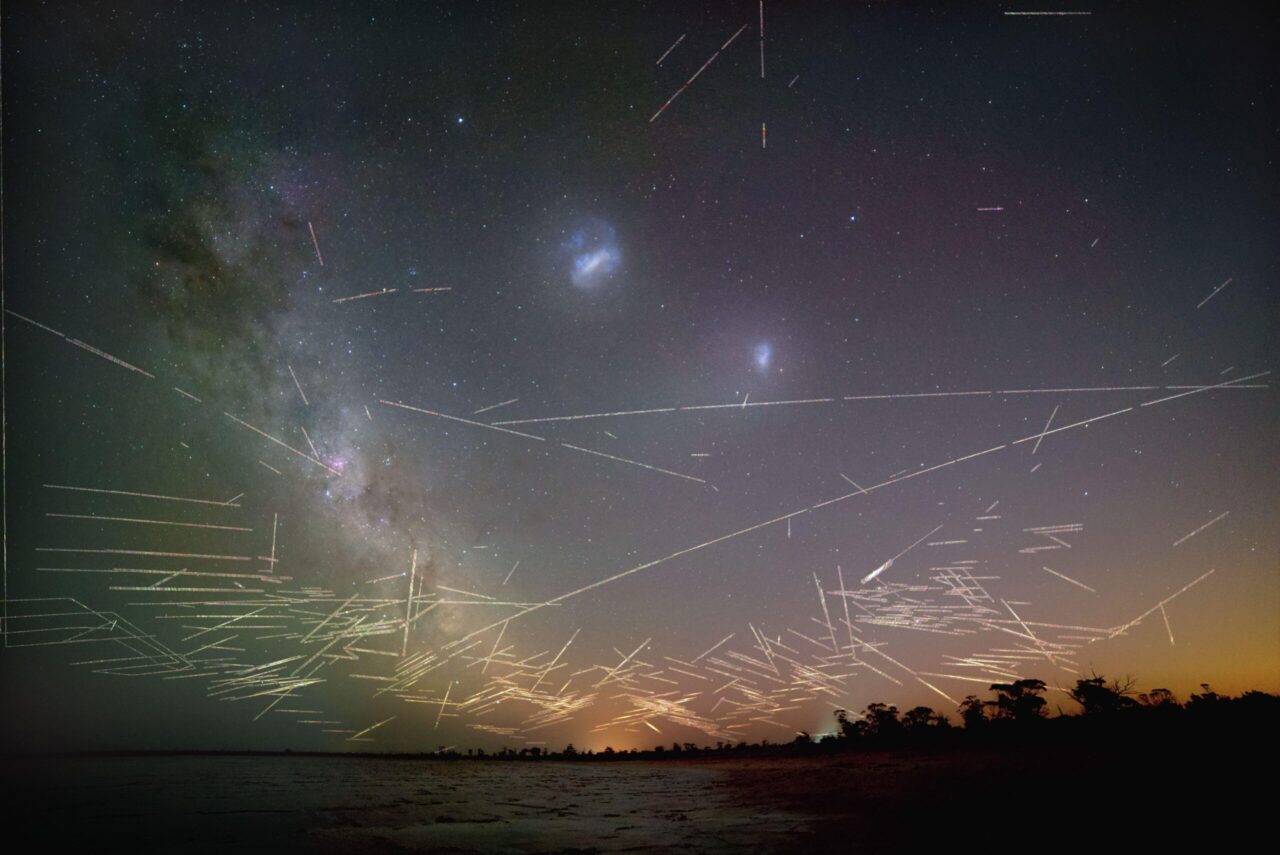
On the top of a mountain in the Chilean desert, an $800 million U.S.-taxpayer-funded telescope just opened its eye. The brand-new Vera C. Rubin Observatory is supposed to complete a groundbreaking “survey” of the universe, the most comprehensive catalog of its galaxies, asteroids, supernovas and black holes ever completed. But Rubin’s scientists have encountered a problem. Fast-moving, light-reflecting satellites are leaving white streaks across their photographs. The proliferation of satellites is an “existential threat” to the observatory’s work, said J. Anthony Tyson, its chief scientist, who is best known for mapping dark matter. Tyson and other scientists warn that these…
Cancel at any time. Are you already a member? Log in here.
Want to continue reading?
Get unlimited access to The Currency and The Wall Street Journal with an annual membership – and receive a free, signed copy of Vincent Browne’s new book, Charles Haughey: Glory, Greed and Guns, delivered straight to your door.
