Voices

It’s not often that the village of Ballinakill, Co Laois makes it into the news and it had never once been mentioned in the almost seven years that The Currency has been published – until last week.
A Ballinakill native who got in touch with me said he never thought he’d be reading about Drury’s pub, and about the village’s former parish priest, in The Currency. But life is full of surprises and the story in which they featured, which we called “Unpredictable”, is perhaps the wildest tale I’ve told in almost four decades as a journalist.
Another reader, Marina Ní Riain, is the founder of the financial advisory service Formula Wealth, and she put it like this in a LinkedIn post: “Few corporate sagas combine prediction markets, the FBI, priests from Ballinakill and a last resting place in the death zone atop Everest.”
The story of Intrade, a Dublin-based start-up backed by Rupert Murdoch and other notables, has all of that – and more. Some pieces of journalism land instantly, while others can take a while to find their audience, especially if they’re long.
The Intrade story is one of the latter.
We told it over two days and 12,000 words. In this time-poor world, I know it’s a lot to ask of readers, but I’m encouraged by the views of editors who are also publishing long-form stuff, including Ruadhán Mac Cormaic, editor of The Irish Times since 2022.
I interviewed him recently – the piece will run in The Currency next week and, yes, it’ll be a long read. He says the audience is there for “very long articles and very long podcasts”, but only if the quality is high enough.
In what you might call an out-take from that interview, Mac Cormaic said: “Be cautious when you hear people tell you about iron laws of digital publishing. Fifteen years ago, people said you would never get anyone to read a long story online, or engage with any long-form journalism. You and I know that’s not true. I’m guessing that Paul Kimmage was a big driver of subscribers for you at the Sunday Independent, and some of his pieces were longer than a novella.”
True on both counts.
Mac Cormaic said something else that resonated with me, and it brings me back to the Intrade story: “I say to every young reporter we hire, ‘Don’t ever write a story without picking up the phone. Never. You will always get more by picking up the phone and talking to someone.’”
That’s also true – but you’ll get more again if you can physically go to where your story begins or ends, or where its protagonists are known to other people.
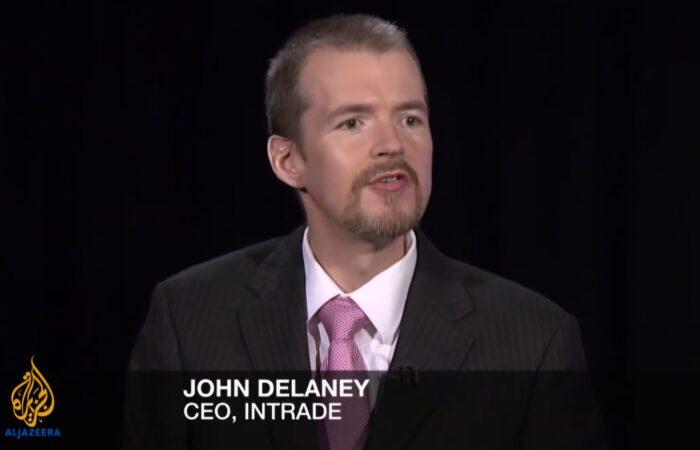
I wrote in the Intrade piece that the story arc reads like Netflix drama and that a man called John Delaney – not the FAI guy – emerged as the enigmatic central character. Delaney was the company’s highly unusual CEO. I knew him because I was part of the Intrade management team before he came on board as a finance manager in the early autumn of 2000.
It was Delaney who would, in 2011, become the first Irish person to die on Mount Everest, just 50 metres short of the summit, in a place where his frozen corpse remains. And it was Delaney who brought the FBI to Ireland, wanting to know if he really was dead, or if he had simply disappeared. It then emerged that in the year before he left for Everest, millions of dollars of Intrade’s money had been transferred, without explanation, to bank accounts Delaney controlled.
A revolutionary concept
In researching the piece, I’d spoken to multiple people who also worked with him. But I hadn’t been to Ballinakill, ever. Delaney was long gone from there when he joined Intrade, after stints with AIB and the IFSC-based Oppenheim International Finance. What might a visit to a sleepy Laois village throw up about someone who was in a hurry to leave it?
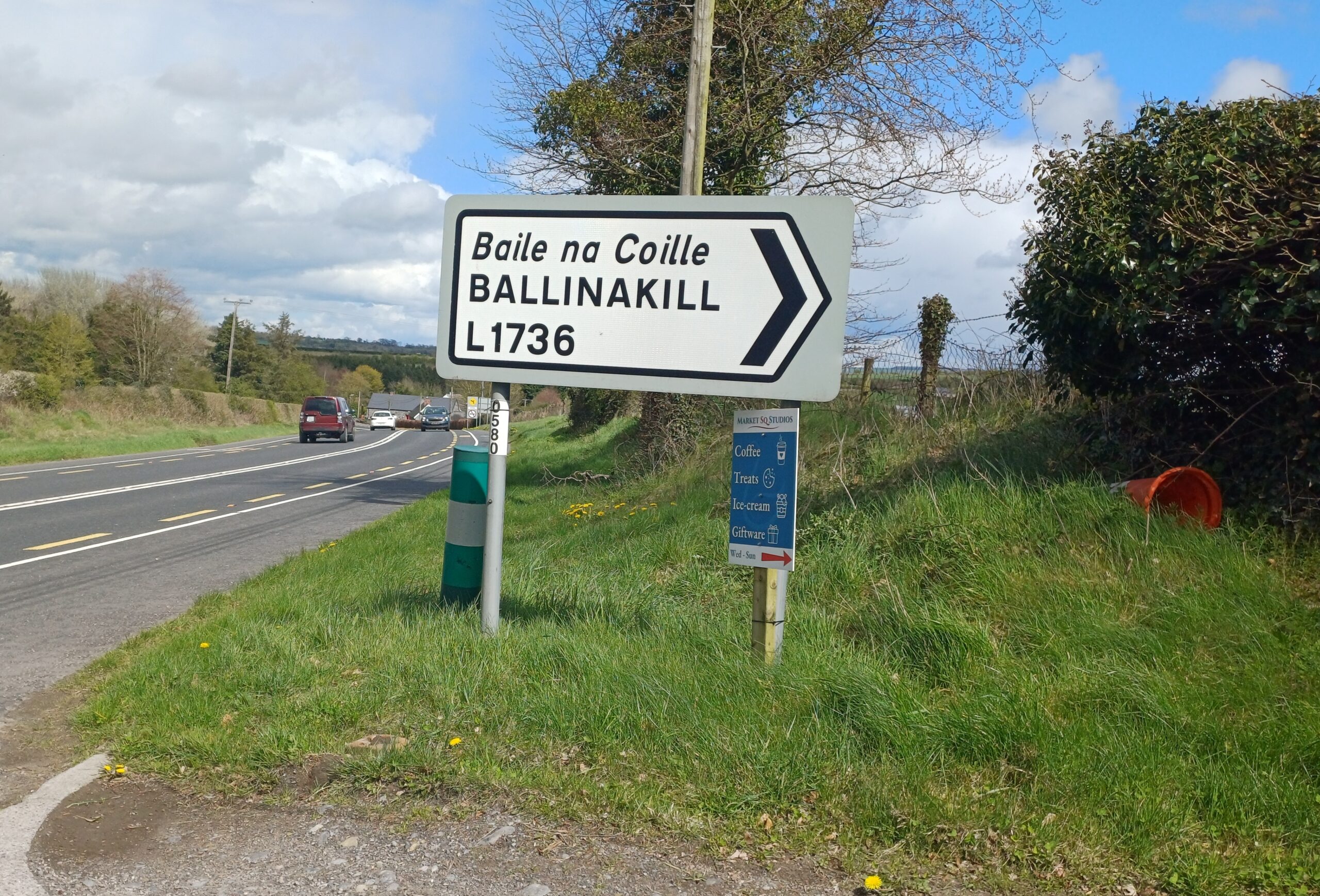
A lot, as it turned out – even though things didn’t look too promising when I took this picture on arrival.

The thing about journalism, though, is that there are stories in the most unlikely places. Within 30 minutes of pulling into Ballinakill I was sitting in the front room of the parish residence while the 88-year-old Fr Sean Conlon consulted his register of deaths for the year 2011.
Under the column for “Place of Burial”, every other entry on the page was listed in the priest’s own handwriting as “Ballinakill”. He pointed to the entry under John Delaney’s name: “Mount Everest”. He remembered Delaney well, as did others who spoke about him that day.
Delaney is big part of the Intrade story, but not all of it. Some of us thought we might get rich on the back of what was a revolutionary concept at the time – and the extraordinary success of the Kalshi and Polymarket prediction markets 25 years later has proven that it wasn’t an idle dream on our parts. Sometimes you can be too early with a good idea.
It’s shorter than your average novella, but there’s a lot going on in “Unpredictable”. I hope you get a chance to read it.
Elsewhere last week…
When Barry Cummins walked into the house of Richard and Tina Satchwell in November 2017 for RTÉ Prime Time, unknown to him, he sat down beside a murderer. He told the extraordinary story to Dion – you can read or listen to the interview.
The Western Development Commission is a frequent investor in medtech in the West of Ireland. Jonathan examined the depth of those investments and potential risks of over-reliance.
Two of Ireland’s best-known entrepreneurs, Barry English and Tommy Kelly, are embroiled in a complex dispute with the operating company they hired to run their private jet. Francesca had the story.
Founded in 1981, Chemical Solutions Group has just bought Resource Chemicals. The deal will push the company’s revenues towards €130m, but CEO Kevin Quinn explained to Tom why this is only the start.