
Stories

This weekend, 23 start-ups and SMEs will gather in Ballymaloe, Co Cork, for the 2026 edition of The Entrepreneur Experience.
First launched in 2011, the Entrepreneur Experience continues to bring together some of Ireland’s most promising new companies.
Representing a wide mix of sectors – from food and technology to engineering – 23 founders and CEOs will take part in this year’s event, organised by AxisBIC.
Over the course of two days, participants will meet with seasoned business leaders and industry experts, gaining practical insights and strategic advice on how to grow and scale their ventures both in Ireland and internationally.
The Currency is once again partnering with the Entrepreneur Experience, alongside support from Cork City Council, Cork County Council, Broadlake, Quintas Capital, Forvis Mazars, and Cyber Innovate at MTU.
As the final preparations get underway, here’s a look at the companies taking part in the 2026 Entrepreneur Experience.
*****
Aztec Medical: Bringing medical devices from concept to market

Founded by Orla Connaughton, Aztec Medical was set up to help medical-devices businesses take their ideas from concept to commercial use. The consultancy advises developers on the regulatory and operational requirements involved in bringing medical devices to market.
The company focuses on four areas: regulatory affairs, design assurance, quality management, and clinical compliance. Aztec’s services are intended to help clients reduce delays, secure regulatory approval, prepare products for international markets, and build confidence among investors and regulators.
Connaughton has previously held senior roles across both multinationals and start-ups. She worked in research and development, manufacturing, project management, quality, and regulatory affairs.
Her experience covers the medical technology product lifecycle, from concept development and commercialisation through to the eventual retirement of products.
Connaughton holds a mechanical engineering degree from the University of Galway and a master’s in project management from the University of Limerick. She also holds project management professional certification from the Project Management Institute.
Alongside her consulting work, Connaughton has authored learning modules for master’s programmes and is a guest lecturer on university courses in business and medical devices. Through Aztec Medical, she aims to help developers navigate regulatory processes more efficiently, enabling medical technologies to reach patients and clinicians.
BioClover: Taking a botanical science approach to beauty

BioClover, founded by Sinéad O’Keeffe, develops botanical ingredients for skincare, haircare, and beauty products. Based on a family farm in Cork, the business combines locally grown plants with cosmetic science to produce ingredients for beauty brands, formulation laboratories, and manufacturers.
Its range of products includes CloverCell, NettleCell, GorseCell, and ÉirePhyto, made using botanicals including red clover, nettle, and gorse. The ingredients undergo scientific testing, with research examining antioxidant activity, skin barrier support, inflammation, and other potential cosmetic applications.
O’Keeffe is a cosmetic chemist and beauty educator with more than 20 years of experience in the beauty industry. Her background includes product formulation, regulatory compliance, advanced skincare, and professional education. Before moving further into ingredient development, she established and ran a training academy offering advanced beauty and skincare education.
BioClover’s approach brings together agriculture, biotechnology, and cosmetics, with work spanning plant cultivation and extraction through to testing and commercialisation. The business is focused heavily on provenance, seeking to turn crops grown in Cork into traceable ingredients for commercial cosmetic formulations.
Its long-term aim is to have scientifically tested botanical ingredients developed from locally grown plants incorporated into beauty products in international markets, building connections between agricultural production and the wider cosmetics industry.
Blarney Brewing Company: Going off-grid with beer
Blarney Brewing Company, founded by Pat Falvey, is planning an off-grid, zero-waste brewery as part of a strategy to reduce the environmental impact and running costs of beer production. The independent brewer has already acquired the site intended for the development, but the new facility remains a future project.
The plans include generating renewable energy, reducing water and power consumption, recovering and reusing water, and finding agricultural uses for brewing by-products where technically and commercially feasible. The company expects these measures to reduce production costs, improve margins, and provide returns on its investment over time.
Falvey has more than 20 years of commercial experience spanning brewing and beverages, property, and technology. His varied career includes business development and investment, along with the creation, growth and sale of ventures. He also co-founded Active Brewing Company with Peter O’Mahony, focusing on alcohol-free and functional beverages.
Alongside its sustainability plans, Blarney is looking to expand production, increase national retail distribution, and develop export markets. Progressing the first phase of the proposed brewery is another priority.
The business wants to show that more efficient use of energy, water, and materials can improve profitability as well as reduce waste, although the projected financial benefits remain to be realised.
Calm & Free: A sensitive approach to skincare

Photo: Brendan Gleeson
Calm & Free, founded by Dr Rachel Power, is developing a skincare and wellness brand for babies and children, with an emphasis on products for sensitive skin. Power is a consultant paediatrician who identified difficulties parents can face in finding everyday skincare products they feel confident using.
Calm & Free’s formulations are designed to use carefully selected, gentle ingredients, with an emphasis on protecting the skin barrier and supporting long-term skin health. The company is targeting the premium and sensitive-skin segments of the children’s skincare market.
Power studied medicine at University College Cork and completed her paediatric training through the Royal College of Physicians of Ireland. Her career has included positions at Children’s Health Ireland and HSE Mid-West. At University Hospital Limerick, she established the first paediatric cardiology department as part of the All-Island Cardiology Network.
She also holds a master’s in healthcare ethics and law and a professional diploma in dermatology, combining specialist medical training with experience of children’s healthcare.
The business has been set up with export markets in mind from the outset. Its formulations, product claims and packaging are aligned with EU and UK regulatory requirements, while its longer-term plans centre on building a skincare range with scope for international growth.
Celtic Biotech: Using venom for good
Founded by John Reid, Celtic Biotech is developing treatments for cancer and associated pain using therapeutic proteins derived from venom. The biopharmaceutical company is working on medicines intended to target aggressive tumour cells.
Its lead drug candidate, CB-24, is in phase-one clinical trials for patients with advanced solid tumours that have not responded to approved treatments. The company has identified non-small cell lung cancer as its initial primary disease target.
CB-24 is an injectable protein comprising two parts. According to the company, one component is designed to bind preferentially to cancer cells, while the other initiates a process leading to cell death. According to Celtic Biotech, its studies to date have shown tumour-targeting activity, although the candidate remains at an early clinical testing stage.
Reid holds a master’s degree in international business from Trinity College Dublin. He established the company, secured its initial seed capital, and developed research and consultancy agreements. His responsibilities have also included coordinating early investment activity and working with legal, financial, medical, and scientific advisers in Ireland, Europe and the US.
Celtic Biotech’s big goal is to develop tolerable and effective treatments for different cancers.
Vedi Intelligence: Making company records manageable

Vedi Intelligence was founded by Alex Chernenko to simplify the research professionals carry out on companies. The software business serves accountants, auditors, solicitors, investors and other advisers who need access to company information.
The company’s subscription platform brings together more than 800,000 Irish company records. Users can search for companies and directors, examine filings and ownership structures, and carry out compliance checks without relying on separate document searches and credit-reporting tools. Vedi obtains its underlying data from the Companies Registration Office under bulk data and image licences.
Chernenko previously established language services company Translit, which he exited in 2025. An engineering graduate of the University of Limerick, he subsequently developed Chern & Co, which manages more than 300 entities and has formed over 1,000 companies. He has also developed interpreting technology used by clients including Mastercard and Eurofound, and advises early-stage businesses through Artha Capital.
Vedi launched in 2026 and has begun trials with accounting firms. It has Enterprise Ireland high-potential start-up status. The company plans to introduce AI-powered analysis in a November 2026 product release, with expansion into the UK and US also on its agenda.
Colata Analytics: Making sense of sports data

Colata Analytics is developing software that brings together the different sources of information used by elite sports organisations. The TU Dublin spin-out was co-founded by Kieran Collins and Fiona Ryan, combining experience in sports science, research, and business development.
The problem Colata addresses is a common one in sports. Professional teams and governing bodies collect information from wearables, video, medical systems, and scouting tools, often across separate systems. Colata’s platform is designed to combine those records in one secure environment and use artificial intelligence to help coaches, performance staff, and executives interpret them.
The technology covers health and performance, recruitment and scouting, fan engagement and the commercial side of sport. Its ASKReilly assistant allows users to ask questions about their data in ordinary language. The company draws on more than a decade of applied research and is developing a patent portfolio.
Collins, its chief executive, previously headed sport science at TU Dublin and established the Gaelic Sports Research Centre. Ryan, its chief operating officer, has worked in finance, governance, and start-up development, including at Sports-Tech Ireland and Ludgate Hub.
Since launching an initial product in early 2026, Colata has worked with trial partners including Sport Ireland, the GAA, IRFU and Rugby Canada. It has received support through Enterprise Ireland’s Commercialisation Fund and PSSF, and aims to expand internationally.
Community Roots: Turning unused gardens into shared growing spaces

Community Roots is a social enterprise that brings unused growing spaces into shared use, connecting people who have gardens with neighbours who want to grow food. Co-founded by Scott Bryan and Catriona Kenny, the organisation seeks to build local relationships while making better use of space within communities.
Its Soil Mates programme matches garden owners with nearby residents interested in growing, preparing and sharing food. Participants can exchange skills and resources through a practical activity that brings together people from different generations and backgrounds.
Bryan previously spent more than 15 years working in branding and design at RTÉ. His work at Community Roots brings that experience into a project focused on food growing, social connection, wellbeing, and community development.
The organisation aims to address social isolation and strengthen communities’ ability to respond to environmental challenges. It has developed a model that local authorities, housing providers, developers, corporate partners, and community organisations can commission to operate in their areas.
Rather than depending on individual gardens alone, the approach is intended to be repeated across different parts of communities. Community Roots wants to make shared food-growing a way for residents to meet, cooperate, and reconnect with nature, with social, environmental and wellbeing outcomes among its intended benefits.
CVO Labs: Using AI to support healthcare assessments

Corca Health, which trades as CVO Labs, is developing artificial-intelligence voice agents intended to reduce the time clinicians spend gathering information during healthcare assessments. Corca is based at University College Cork’s Innovation Centre and focuses on regulated technology for healthcare and life sciences.
Its first product targets mental health and neurodevelopmental services, including assessment pathways for ADHD and autism. The voice agents are designed to interview patients, parents and other people with relevant information, organise their answers and generate reports to support clinicians’ decisions.
The business was founded by Danny McEnery, a former Garda detective who moved into entrepreneurship. He established an equestrian centre in east Cork and, following studies in philosophy and psychology, founded an ADHD service. That experience prompted him to explore how voice technology might assist with assessments.
Corca’s goal is to reduce professional time spent on referrals and assessments without removing clinical oversight. The technology is still progressing through development, clinical validation and the medical-device regulatory process, rather than being presented as an approved clinical product.
The company has Enterprise Ireland high-potential start-up status and is working towards bringing its technology into healthcare settings.
Everhaze: Changing the way communications businesses think
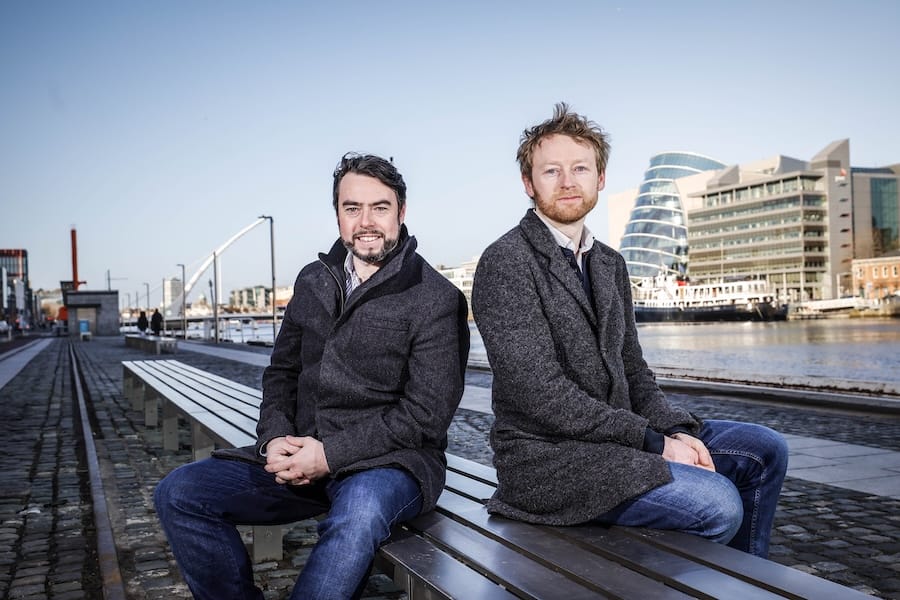
Everhaze is developing software to help public relations and communications agencies change how they deliver and charge for their services. Co-founded by James McCann and Cormac Glynn, the company has developed a platform called Lú around the skills and capabilities agencies can offer clients.
The business wants agencies to rely less on charging by the hour and develop services priced according to their value. Its technology is intended to help teams increase their output without a corresponding rise in workload, while addressing skills shortages and creating new ways to package expertise.
McCann previously worked in international public relations with Web Summit across Europe and Asia. He also mentored start-up founders through Techstars Catalyst programmes in the UAE and Japan. He founded technology public relations consultancy ClearStory, which was acquired by Core Optimisation in 2025.
Glynn, the company’s chief technology officer, previously worked as a developer at Bank of America. He has more than a decade of experience developing and managing technology systems and oversees Everhaze’s engineering, artificial intelligence, and technical infrastructure.
The founders aim to give communications agencies a way to expand what they can offer customers while reducing their dependence on traditional billable-hour models.
GridVolt: Making energy usage smarter
GridVolt, founded by Thomas Hayes, is developing software to help businesses manage how and when they use electricity. The energy technology company uses artificial intelligence (AI), forecasting and optimisation to coordinate equipment such as batteries, solar panels and electric heating systems.
As more businesses generate and store their own electricity, they face decisions about when to consume power, store it, or supply it to the grid. GridVolt’s technology is designed to predict a site’s energy needs and respond to changes in electricity prices and grid conditions. The company says this can reduce costs and allow businesses to earn revenue through electricity markets.
Hayes grew up around the energy sector through his family’s business, RVR Energy Technology. He subsequently spent a decade in software development and commercial roles at technology companies including Acano, Featurespace, and Forter.
After returning to energy, he spent two years developing commercial battery storage systems, experience that informed the creation of GridVolt. He holds a master’s degree in physics from the University of Manchester and represented Ireland at three International Science Olympiads.
Operating in Ireland and the UK, GridVolt aims to make commercial buildings more active participants in electricity markets, adjusting energy use and generation in response to changing conditions.
Home Chocolat: Chocolate making gets accessible

Started in October 2024 by Liora Omer, Home Chocolat is developing equipment and ingredients intended to make chocolate production more accessible to professional and home users. The Cork business combines the Chocolatier Pro, a small-batch chocolate-tempering appliance, with CocoaBlox, a modular ingredient kit system.
The appliance is designed to automate tempering, which the company identifies as a major obstacle for chocolate makers, while allowing users to choose their ingredients. The Chocolatier Pro is patent-pending, while CocoaBlox is patented.
Omer is a biochemical engineer with a master’s in nanotechnology and more than 15 years’ experience in research, development and product management. A qualified chocolatier, she established an earlier chocolate business, Chocomake, in Israel in 2018 and moved to Cork in 2023.
Home Chocolat has completed five appliance prototype iterations and ran a successful Kickstarter campaign. It has also recorded independent CocoaBlox sales and interviewed professionals across eight countries. CocoaBlox is already produced in-house on HSE-registered premises in Cork, while the Chocolatier Pro is manufactured through an exclusive Chinese partner, with first commercial shipments targeted for later in 2026.
Its stated sustainability priorities include lower-waste recipes, repairable equipment, regenerative cocoa farming, and fair pricing for farmers.
HomeHak: Helping renters navigate the housing market

HomeHak is a rental marketplace designed to help prospective tenants present themselves to landlords and other property providers. Founded by Pat Drinan, the company connects renters with landlords, estate agents, employers, recruiters and relocation businesses through a shared platform.
Its services include a free, reusable “tenant CV” that allows renters to organise information about themselves and control how their data is shared. Paid services offer additional visibility and personal support.
For employers, HomeHak provides branded pages and housing assistance for recruits and existing staff, funded through recurring business subscriptions. The approach is intended to support recruitment and retention without employers buying or renting homes.
Drinan worked in international financial services for 26 years before becoming an entrepreneur. His son’s experience searching for accommodation inspired the tenant CV concept. Having been both a tenant and a landlord, he also researched a more people-centred approach to renting while completing a master’s in digital marketing strategy.
The business soft-launched in 2021 and tested its paid model in late 2024. It employs five people remotely and has already helped many thousands of users, with hundreds securing homes in Cork and Limerick.
HomeHak’s ambition is to expand beyond its initial markets and establish its rental platform internationally.
IPERA: Developing skincare for menopause and intimate wellbeing

IPERA is a skincare business founded by Danilly Carvalho that develops concentrated, water-free products with a focus on the skin changes associated with perimenopause and menopause. Its range also includes products intended for external intimate comfort.
The company uses botanical and mineral ingredients, including wild yam, Zechstein magnesium, fulvic acid and plant oils, rather than using water as the principal ingredient. Its current range includes creams, oils, balms, and mineral-based products designed for different skincare needs.
Carvalho has a background in law, nutrition and health coaching. Originally from Brazil, she has lived in Ireland since 2014. She began exploring skincare formulations during the pandemic after seeing the changes in her mother’s skin during perimenopause.
Starting with €200, Carvalho developed a wild yam cream that became the foundation of IPERA. The brand launched in 2024 and has since attracted customers in Ireland and international markets. It has also received recognition through Google’s You’re the Business programme and a number of wellness, e-commerce and entrepreneurship awards.
IPERA is now focused on expanding its retail presence and export activity, while developing further products for stages of life that Carvalho believes are underserved by existing skincare ranges.
Mantra Strategy: Supporting organisations and their leaders

Mantra Strategy is a consultancy founded by Lisa-Nicole Dunne that works with organisations on strategy, leadership, culture and organisational change. Its services include strategic advice, leadership development, branding, inclusion initiatives and funding support for organisations seeking to deliver lasting impact.
Dunne has more than 25 years’ experience in strategy, leadership and organisational development. She has worked on strategy and transformation programmes for more than 50 organisations, including charities, national bodies and other purpose-led groups.
Her professional background spans board engagement, governance, fundraising, data-led strategy, customer experience, and culture change across sectors including financial services, education, and automotive businesses. She holds a BA, an MBA and diplomas in psychology and diversity, equity, inclusion and belonging. She also serves on the board of Spunout Youth Mental Health.
Dunne wants to help organisations achieve their goals while providing more accessible support to the people responsible for leading them.
MaxPhysio & Pilates: Expanding physiotherapy and exercise services across Cork
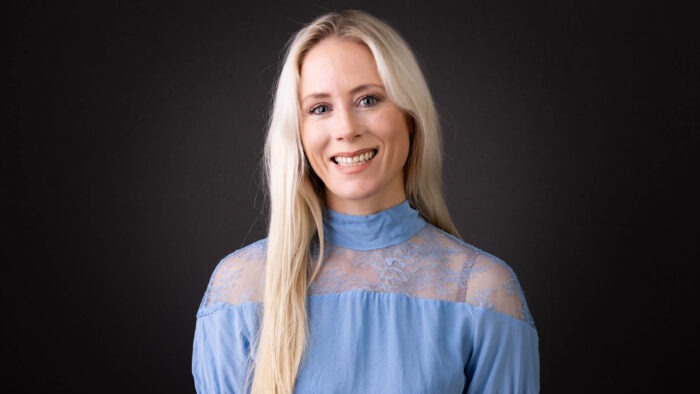
Founded in 2016 by Lowry O’Mahony, MaxPhysio & Pilates has grown from a single physiotherapy practice into a healthcare and exercise business with six locations across Cork. It now has a team of more than 40 physiotherapists, Pilates instructors, and support staff.
The company offers chartered physiotherapy, rehabilitation and Reformer Pilates, alongside exercise programmes for people with different health conditions and at different stages of life. Its specialist services include women’s health, sports medicine, and vestibular rehabilitation, as well as other forms of specialist rehabilitation.
O’Mahony is a chartered physiotherapist and Pilates instructor who began the business working on her own. She has since overseen its expansion into multiple locations and a broader range of clinical and exercise services. She is also a regular contributor to Newstalk, offering practical, evidence-based advice on physiotherapy, exercise, and health.
The business combines physiotherapy and rehabilitation with Pilates classes and other clinically informed exercise programmes. These include targeted sessions intended to support people through different health conditions and life stages, alongside Reformer Pilates for general health and fitness.
MaxPhysio is continuing to expand its services and locations, while seeking to maintain its emphasis on community, trust, and quality of care as the business grows.
Nashpoint: Bringing investment products onto the blockchain
Nashpoint was founded by Cormac Daly to help investment firms bring financial products onto blockchain-based systems. The company develops infrastructure for asset managers seeking to create and distribute digital versions of investments such as stocks, bonds, and exchange-traded funds.
These products, often described as tokenised assets, can be owned and traded using blockchain technology. Nashpoint aims to provide the underlying tools so investment firms can adopt this approach without rebuilding their existing operations. It presents the technology as a way to make distributing and managing investment products more efficient and transparent.
Daly previously served as head of product at Index Coop, a decentralised finance platform that held $600 million in assets at its peak. Earlier in his career, he ran Cosmonaut Music, an event production business in Cork. He studied economics at the University of Limerick and taught himself software development in 2020.
The company operates across Ireland and the United States, with Daly dividing his time between the two countries. Nashpoint has raised $1.7 million in pre-seed funding.
Its focus is on developing the infrastructure investment firms need to offer products through blockchain systems as this approach becomes more widely used in asset management.
NewWave Schools: Helping teachers access professional development
NewWave Schools is a professional learning platform founded by Dr David Cashman to help schools provide training for teachers, special needs assistants, and school leaders. The business, previously known as The WellSchools Network, focuses on wellbeing, inclusion, and special education.
Its platform provides short learning modules intended to fit into the school day. Schools can develop different training pathways for teachers, special needs assistants, leadership teams and other support staff, with progress, completion and certification tracked in one place.
Cashman is a former school principal, educator and researcher with experience in school leadership and creating supportive learning environments. He holds a PhD in education from University College Cork, where his research explored the relationship between trauma, behaviour, and learning.
The platform brings together practitioners from education, psychology, therapy, and school leadership to deliver research-informed professional learning. Its approach is designed to help schools address staff development across the organisation rather than treating individual training courses as separate activities.
Hytropics: Developing a caffeine-free alternative for everyday hydration
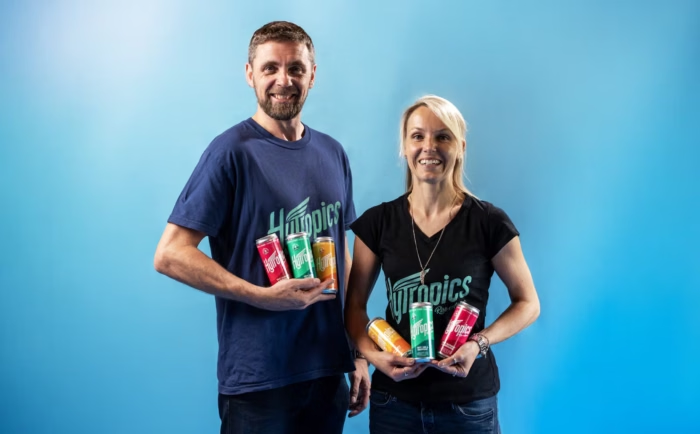
Hytropics was co-founded by Anna Malsam and David Saunders, two commercial airline pilots whose first-hand experiences of dehydration and fatigue during long working weeks inspired the business. The brand produces sparkling electrolyte drinks intended to support hydration, energy, and concentration without relying on caffeine or sugar.
Launched in February 2026, Hytropics comes in 250ml cans containing B vitamins and ginseng, with no artificial colours or flavours. Intended for working days, meals, and social occasions as well as life on the go, its three varieties are mango & pineapple, lime & grapefruit, and raspberry & elderflower.
Malsam previously worked as a registered nurse, while Saunders has experience establishing and running a business. Their backgrounds informed the development of a drink aimed at people seeking an alternative to sugary or caffeinated beverages during work, travel and everyday activities.
The company has secured nationwide distribution through Circle K and listings with BWG Foods and Musgrave Marketplace. It has also entered hospitality and other retail settings, including The K Club, Marqette at Dublin Airport’s Terminal 1, and Knock Airport.
The founders are seeking to expand the brand’s presence beyond its initial outlets, with the goal of establishing Hytropics among Europe’s leading hydration drinks businesses.
Ostomy CubeCare: Developing a bathroom solution for ostomy care
Ostomy CubeCare was co-founded by Carolyn Houlihan and Stephen Lynch to develop a bathroom fitting for people living with an ostomy. Its product, the Ostomy Cube, is intended to make emptying, cleaning and changing ostomy bags easier at home and in public facilities.
The unit sits beside an existing bathroom sink and connects to the water supply and drainage system. It contains a dedicated basin, handheld shower, adjustable mirror, fold-away shelf and hooks, and is designed to fit into bathrooms without extensive alterations.
The Cork-based founders spent six years developing the product, drawing on Houlihan’s experience of living with an ostomy. Houlihan oversees business development, partnerships and commercialisation, while Lynch leads product development, manufacturing and quality. Both have worked with ostomy bag users and healthcare professionals to inform the design.
A working Ostomy Cube is already in daily use at Houlihan’s home. Health Innovation Hub Ireland is due to conduct a pilot to assess its usability and benefits for people with an ostomy.
The company is preparing its first production batch and working towards installations in homes, healthcare settings and public facilities, with the aim of making everyday ostomy care more convenient and independent.
RunCommerce: Automating the work behind online retail
Founded by Eamonn Grant, RunCommerce is developing software to automate repetitive tasks involved in operating online shops. The business aims to give e-commerce teams more time to focus on sales and growth by reducing the work needed to maintain product catalogues and manage listings.
Its tools generate product descriptions, images and videos, improve visibility in search engines and AI services, translate listings for different markets, and publish products on online marketplaces. Retailers can connect the software to their existing systems through an integration product called LinkCommerce. RunCommerce says its technology will be able to automate more than 45% of daily e-commerce tasks.
Grant has over 20 years’ experience in online retail, spanning business-to-consumer and business-to-business operations. He previously held an executive role at e-commerce company ESW and led Samsung’s direct-to-consumer business in Europe.
RunCommerce was selected for the 2026 NovaUCD and CeADAR AI Ecosystem Accelerator. Grant says it has attracted international brands to its platform and assembled an experienced leadership team and advisory board.
The company describes itself as bootstrapped and profitable. It plans to seek investment in 2027 to expand its team, further develop its products and support international growth.
ScanInsights: Applying AI to cattle reproduction
ScanInsights was founded by Dr Dan Ryan to help farmers and veterinary professionals assess cattle reproduction using artificial intelligence. Its software works alongside ultrasound scanning on dairy and beef farms, providing information intended to support decisions about breeding and herd management.
The company has trained its AI models on more than 2.5 million labelled scan observations. During a scan, the software estimates the age of a developing calf and identifies the stage of a cow’s reproductive cycle. Results appear on a wireless visor, while technicians use a wireless keypad to record findings and review each animal’s previous scans and reproductive history. Information is also sent to a dashboard for herd-level reporting.
Ryan is a reproductive physiologist with over four decades of experience working with dairy and beef cattle. After research roles abroad, including at Texas A&M University, he returned to Ireland in 1992 to establish a reproductive physiology programme at Moorepark in Fermoy.
In 1995, he and Aileen Ryan co-founded Reprodoc, a cattle reproductive scanning service. Its archive of scans subsequently provided the foundation for ScanInsights’ AI technology.
The software is used daily on commercial farms in Ireland. ScanInsights won start-up innovator of the year at Enterprise Ireland’s Innovation Arena during the 2025 National Ploughing Championships.
URHired: Helping neurodivergent jobseekers prepare for interviews

Founded by Owen Murray in September 2025, URHired is developing an artificial intelligence-powered interview-coaching platform for neurodivergent and other jobseekers who face difficulties with conventional recruitment processes. The Dublin business targets organisations supporting people preparing for employment.
Its platform, Tessa, helps users practise interviews and develop the confidence and skills needed to communicate their experience to employers. URHired works with employers, universities, sports foundations, and non-governmental organisations to make the service available to jobseekers.
Murray spent 13 years in senior recruitment roles at LinkedIn, TikTok, Meta, Accenture and HP. Drawing on that experience and his own perspective as a neurodivergent professional, he developed the business to address barriers he identified in traditional interviews.
In early validation, URHired reported that 22 of 28 users, or 79%, secured jobs within six weeks. That figure reflects a small initial group rather than an established employment success rate.
Based at Dogpatch Labs, Murray has completed the New Frontiers programme and NDRC pre-accelerator, and secured Enterprise Ireland PSSF funding in June 2026. The business has hired a product manager, is recruiting a chief technology officer, and is raising seed investment to support development.