Voices

On Tuesday, the co-founder of The Currency, Ian Kehoe, described Budget 2027 as a paradox, and it is hard to disagree.
As Minister for Public Expenditure Jack Chambers told the Dáil: “Previous generations were challenged to create prosperity. Our generation will be judged by what we do with it. Not simply by how much money was available to us. Not simply by how much we spent.”
The Budget also highlighted, as Thomas noted in his analysis, how dependent Ireland is on taxes from a small number of multinationals, and how by increasing Ireland’s attractiveness through R&D tax credits and cutting the tax burden elsewhere, the Government is pushing the share of its revenue coming from multinationals to unprecedented levels.
Alice meanwhile was in Buswells gauging the reaction among Budget watchers, which ranged from “ambitious” to “amorphous.”
Later in the week, in a wide-ranging interview with Ian, the Tánaiste and Minister for Finance, Simon Harris admitted that this concentration was “absolutely a concern,” and argued that the answer is to do three things at once: keep running a surplus, invest in infrastructure and build the State’s long-term funds.
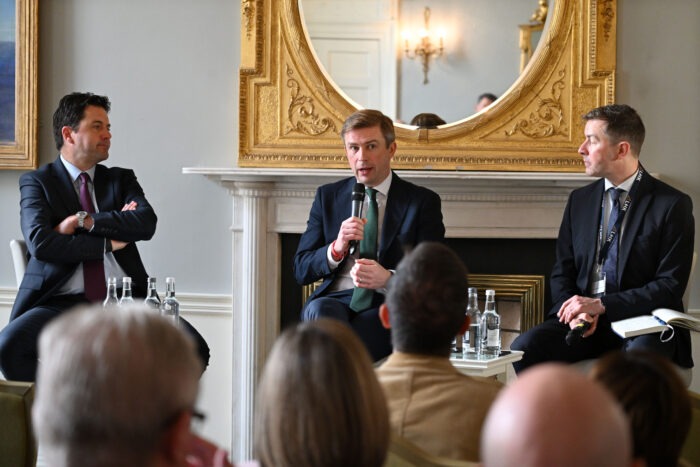
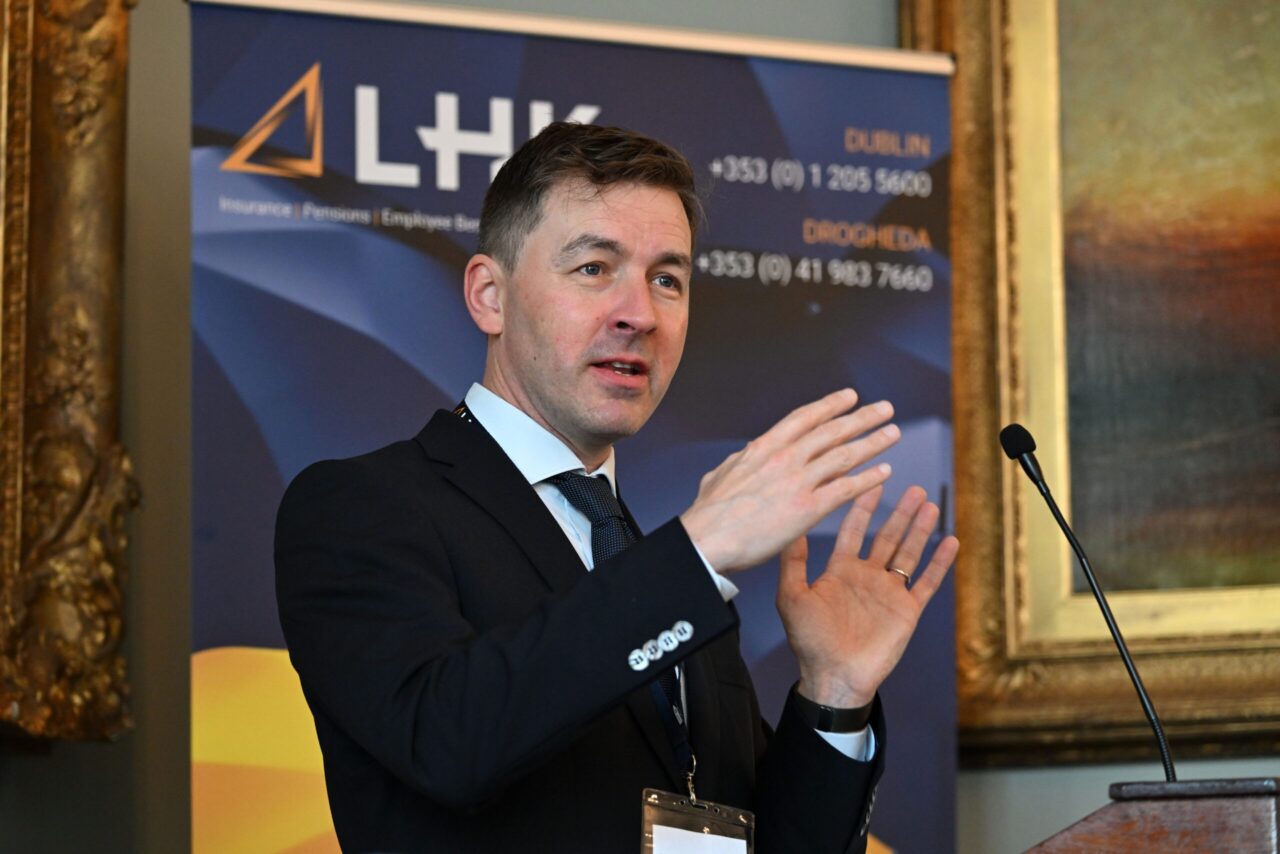
Building for the future and setting Ireland’s citizens up better for the future was a theme which The Currency returned to on Thursday at a briefing for more than 100 clients of the LHK Group, a financial advisory firm, and our members in the Merrion Hotel.
It was a fascinating conversation led by our former Chief Economics Columnist Stephen Kinsella, who is now the economic advisor to the Tánaiste and the Minister for Finance Simon Harris, and a Professor of Economics at the University of Limerick. –
Two other experts also provided an international and domestic perspective. One was Graham Fox, head of distribution Ireland with Amundi, a global asset manager in charge of €2.6 trillion and the other was Colm Kelleher, the chief executive of LHK, which works with 30,000 Irish customers on everything from insurance broking to wealth planning.
In his opening remarks, Kinsella spoke about how Budget 2027 had an underlying strategy when it came to investment and wealth. “It is trying to move incrementally from wealth taxation to wealth accumulation,” he said.
Kinsella said it was doing this with new measures such as cutting capital gains tax and encouraging long-term investing with the launch of a new savings and investment account, which will go live next July, and allow people to invest up to €12,000 a year tax-free up to a threshold of €50,000.
This was a point picked up on by Fox, who said: “The budget is going to be remembered for the PIA, the personal investment account. The reality is it is going to break down the barriers for a lot of people to invest.”
He was cautious, however, to note that this was just a “starting point” and that people would need to be educated and advised on how to maximise this money and not blow it.
“The power of compounding exists, but it kicks in after seven years. That is going to be the secret sauce in this. You need to stay the course,” he said.
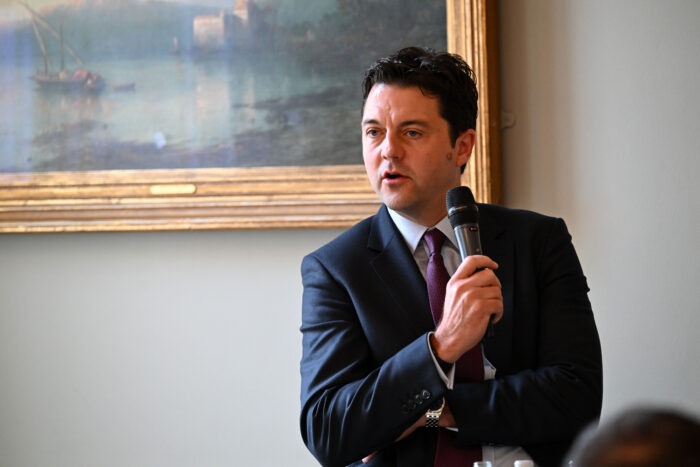
Kelleher made a similar point, highlighting the historical returns earned by S&P 500 investors who stayed the course through market spikes and crashes.
He too picked up on Ireland’s need to grow its own indigenous firms to avoid the concentration risk of using taxes from too few multinationals to pay for everything else. “The government is signalling that the answer is indigenous business – and figure out how we scale them, how do we grow them and how do we take them to the next level,” he said.
If we can change Ireland’s culture from saving in low-interest accounts, where returns are eroded by inflation, to investing for better returns, while providing serious backing to Irish business champions pursuing their global ambitions, then Budget 2027, while imperfect as all are, will have achieved much.

The Currency’s coverage of Budget 2027 is supported by LHK Group.